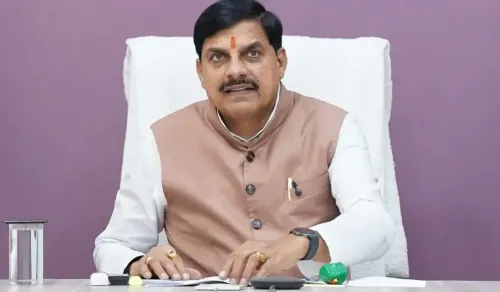
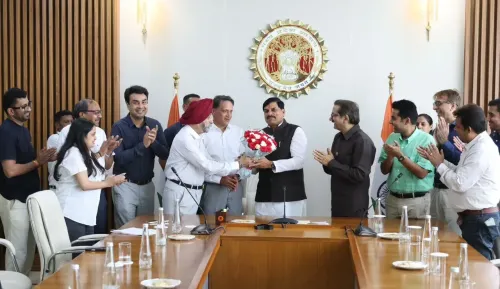
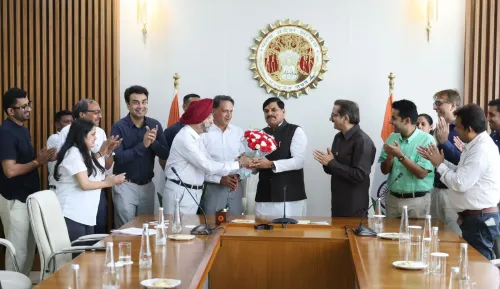
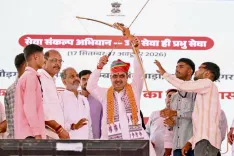
CM Mohan Yadav releases Bhopal Development Plan 2047 draft
Synopsis
Madhya Pradesh CM Dr. Mohan Yadav has released the Bhopal Vikas Yojana 2047 draft, introducing Green TDR to protect the Ramsar-listed Bhojtaal and forest corridors while opening the city's growth plan to public consultation.
Key Takeaways
Bhopal Vikas Yojana 2047 draft published on 26 September 2026 after a long gap since the previous plan.
Plan explicitly protects Bhojtaal (a Ramsar wetland), city forest zones, and tiger movement corridors.
Green TDR provision will compensate green-zone landowners and allow developers to transfer unused rights to other permitted areas.
Goals include better civic amenities, improved mobility, and expanded economic opportunities for Bhopal residents.
Draft is now open to public objections and suggestions under statutory consultation procedures.
Mohan Yadav framed the plan as central to the vision of a 'prosperous, accessible and developed Bhopal.'
After a long hiatus, Madhya Pradesh Chief Minister Dr. Mohan Yadav has released the draft of the Bhopal Vikas Yojana 2047 — a sweeping urban master plan for the state capital — choosing the auspicious occasion of Ganesh Anant Chaturdashi on Saturday, 26 September 2026 to mark the publication. The plan is now open for public objections and suggestions.
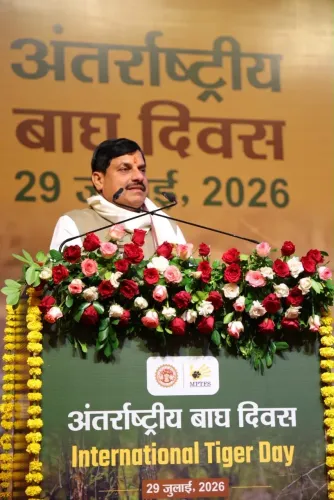
In his post, Dr. Yadav wrote: 'समृद्ध, सुगम और विकसित भोपाल के संकल्प की दिशा में यह एक महत्वपूर्ण पहल है' — 'This is an important initiative towards the resolve of a prosperous, accessible and developed Bhopal.' The draft, he said, balances the city's natural heritage with the demands of modern urban growth.
Bhojtaal, forests and tiger corridors at the heart of the plan
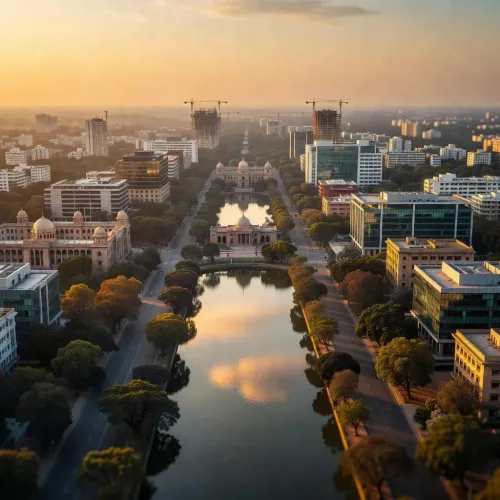
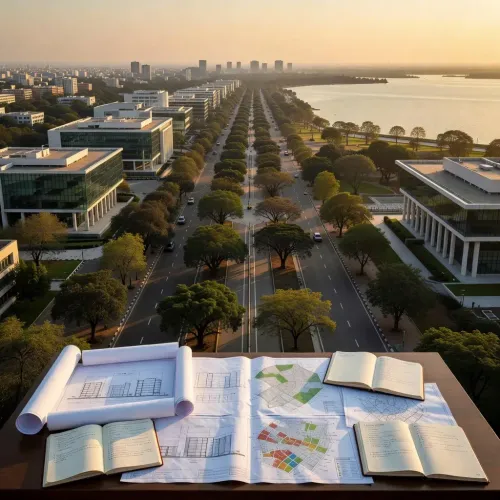
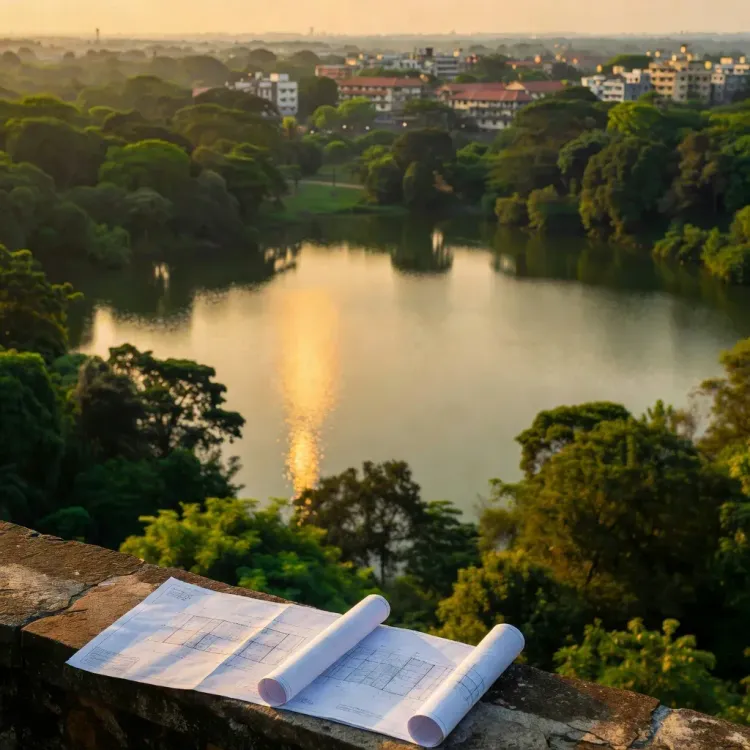
The Bhopal Vikas Yojana 2047 explicitly centres the protection of three natural assets: Bhojtaal (the Upper Lake), the city's forest zones, and its tiger movement corridors. Bhojtaal is a Ramsar-designated wetland and the primary drinking water source for Bhopal's residents — any development framework for the city must reckon with its ecological boundary conditions. The plan proposes to do exactly that, weaving conservation commitments into the city's growth geometry for the next two decades.
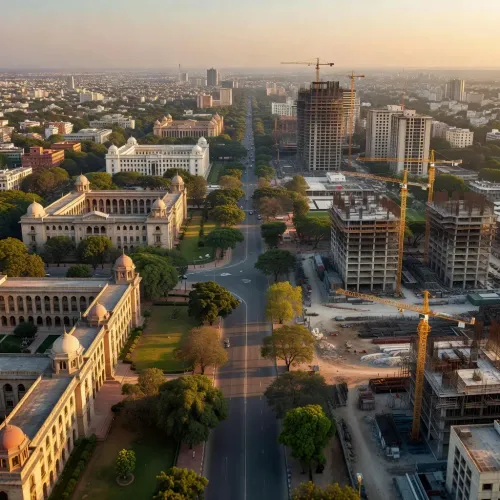
This is not a small planning ambition. Bhopal, as Madhya Pradesh's capital, sits within a landscape where urban sprawl, wildlife movement and wetland ecology exist in active tension. A master plan that attempts to hold all three simultaneously is the kind of document that will draw scrutiny from environmentalists, developers and residents in equal measure.
Green TDR: compensating landowners while protecting open space
The plan's most technically significant provision is the introduction of Green TDR — Transferable Development Rights applied specifically to green zones. Under this mechanism, landowners whose properties fall within protected green areas will receive compensation, while developers can acquire those TDR credits and use them to unlock additional floor area in permitted development zones elsewhere in the city.
TDR is a well-established tool in Indian urban planning — Mumbai has used it for decades — but applying it to green-zone conservation is a relatively sophisticated adaptation. Done well, it removes the financial penalty that landowners in ecologically sensitive areas typically bear, making conservation financially viable without direct government buyouts. The real test will be the exchange ratios and the spatial rules governing where transferred rights can actually be deployed.
The public consultation window that follows
Publication of the draft triggers a statutory window under Madhya Pradesh town planning law during which citizens, resident welfare associations, environmental groups and industry bodies can file objections and suggestions. The Chief Minister explicitly invited participation: 'Citizens can submit their objections and suggestions on the published draft.' How wide that window is, and how meaningfully the feedback shapes the final notification, will determine whether Bhopal Vikas Yojana 2047 lands as a genuine participatory plan or a rubber-stamped document.
The 'long interval' since the previous plan, referenced by Dr. Yadav himself, underscores the urgency. Cities governed by outdated master plans accumulate years of ad-hoc approvals, litigation and informal growth that a fresh framework must eventually rationalise. Bhopal's next chapter — its shape, its skyline, its lakes — is now, formally, up for public debate.
Point of View
Sustainable growth. The Green TDR provision is a policy-sophisticated move that could serve as a model for other ecologically stressed state capitals if the implementation rules are tightly drafted. The real political test for Dr. Yadav is the public consultation phase: meaningful incorporation of citizen input would strengthen the plan's legitimacy, while a perfunctory exercise risks alienating the urban middle class and environmental constituencies whose support matters in Bhopal's assembly segments.
NationPress
26 Sept 2026
Frequently Asked Questions
What is the Bhopal Vikas Yojana 2047?
The Bhopal Vikas Yojana 2047 is a new urban master plan for Bhopal, the capital of Madhya Pradesh, released as a draft on 26 September 2026 by Chief Minister Dr. Mohan Yadav. It outlines the city's development framework up to 2047, covering natural heritage protection, mobility, and economic growth.
What is Green TDR in the Bhopal master plan?
Green TDR (Transferable Development Rights) is a mechanism in the Bhopal Vikas Yojana 2047 that compensates landowners whose plots fall in protected green zones, while allowing developers to purchase those rights and use them to build additional floor area in permitted zones elsewhere in the city.
How does the plan protect Bhojtaal?
The Bhopal Vikas Yojana 2047 explicitly designates Bhojtaal — a Ramsar-listed wetland and Bhopal's Upper Lake — as a protected natural heritage asset, restricting development in its vicinity and using Green TDR to financially compensate landowners in the buffer zone.
Can citizens give feedback on the Bhopal Vikas Yojana 2047 draft?
Yes. Under Madhya Pradesh town planning law, the published draft is open for public objections and suggestions. CM Dr. Mohan Yadav explicitly invited citizens to submit their views on the draft plan.
When was the Bhopal Vikas Yojana 2047 draft released?
The draft was published on Saturday, 26 September 2026, on the occasion of Ganesh Anant Chaturdashi, as announced by Chief Minister Dr. Mohan Yadav on X.