CM Naidu remembers Bhakta Kanakadasa on Jayanti
Synopsis
Andhra Pradesh Chief Minister N. Chandrababu Naidu marked Bhakta Kanakadasa Jayanti by recalling the 16th-century Kannada poet-saint’s work for an egalitarian society. He said Kanakadasa’s keertanas ignited social consciousness along with bhakti, and that those teachings remain a lasting guide.
Key Takeaways
Andhra Pradesh Chief Minister N.
Chandrababu Naidu marked Bhakta Kanakadasa Jayanti with a tribute on X.
He described Kanakadasa as a great poet-composer who worked for an egalitarian society beyond caste and religion.
Naidu said the saint’s keertanas kindled social consciousness along with the path of bhakti.
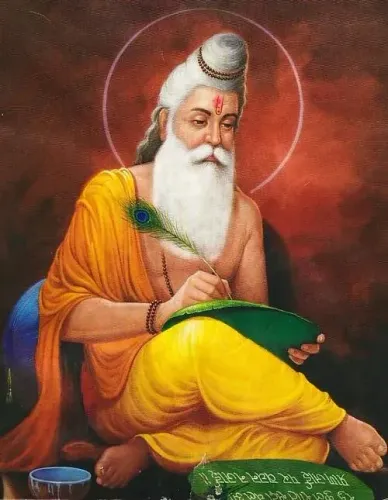
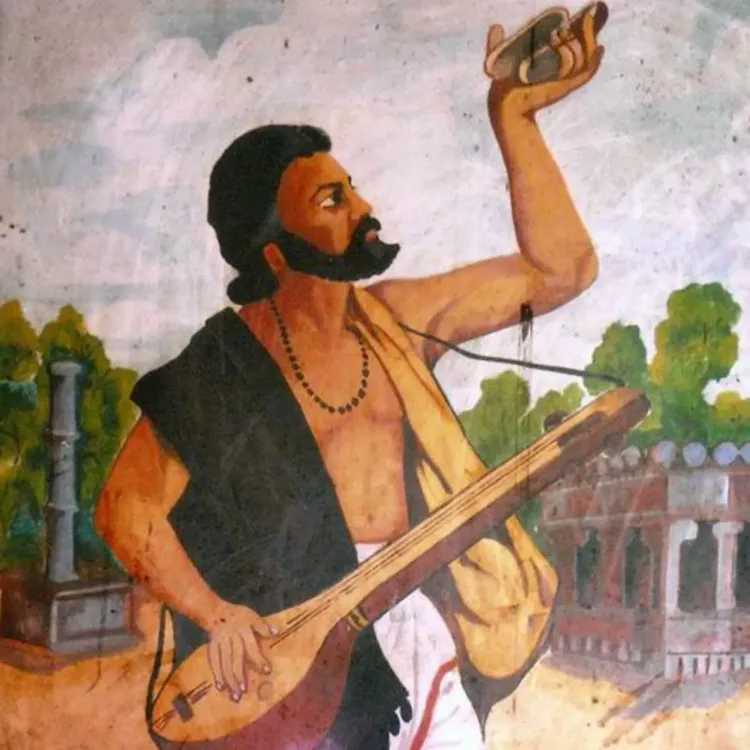
Kanakadasa was a 16th-century Kannada Haridasa poet-saint from Karnataka known for songs that criticised discrimination.
The post fits a wider South Indian pattern of leaders invoking bhakti saints for social-harmony messages.
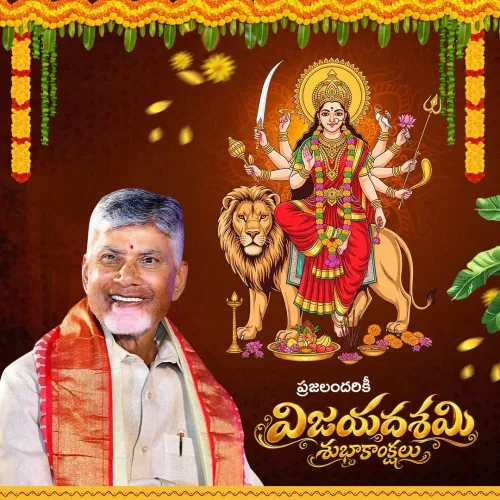
Andhra Pradesh Chief Minister N. Chandrababu Naidu on Friday reached across the Deccan’s bhakti map to remember Bhakta Kanakadasa, the 16th-century Kannada poet-saint who sang against caste and religious walls. Marking the composer’s Jayanti, the Telugu Desam Party national president said those keertanas still light a path toward an equal society.
In a Telugu post, Naidu asked people to recall a great vaggeyakara (poet-composer) who worked for a sama-samaja — an egalitarian order — beyond distinctions of caste and faith. Through his keertanas, the Chief Minister said, Kanakadasa had kindled social consciousness alongside the path of bhakti. Those teachings and ideals, he added, would always remain a guide for everyone.
The Haridasa who sang past caste walls
Kanakadasa was a 16th-century Kannada poet-saint from Karnataka, part of the Haridasa stream that carried Vaishnava devotion into everyday speech. His lyrics did more than praise the divine. They questioned caste and religious discrimination when temple access and social rank were tightly bound.
That is the thread Naidu pulled into the present. Remembrance, in his telling, is a social argument, not only a ritual. He framed the Jayanti as a moment to honour a composer who treated equality as part of devotion itself.
A Kannada saint on a Telugu timeline
South Indian political leaders regularly mark birth anniversaries of bhakti-era saints to invoke harmony and casteless ideals. The practice sits naturally in Telugu and Kannada public life, where the same Deccan saints travel across language borders. Naidu’s post fits that established pattern of using devotional memory for contemporary social messaging.
Kannada devotees and social reformers have long treated Kanakadasa’s verses as both liturgy and protest. A Telugu chief minister amplifying that legacy underlines how these Jayantis still function as a common moral vocabulary in the region.
On a day of lamps and keertanas, Naidu’s message was spare and pointed — the saint’s true memorial is a society that no longer sorts people by caste or creed.
Point of View
A Kannada Haridasa, is a useful figure for a Telugu chief minister because the message travels across the Deccan’s shared cultural map. The post names no programme and no rival; it restates equality as a civilisational claim. The test is whether Karnataka voices mark the same Jayanti in the same register, showing how coordinated this cultural calendar still is.
NationPress
27 Nov 2026
Frequently Asked Questions
Who was Bhakta Kanakadasa?
Bhakta Kanakadasa was a 16th-century Kannada poet-saint and composer from Karnataka. He is remembered for Haridasa keertanas that promoted social equality and criticised caste and religious discrimination.
What did CM Chandrababu Naidu say on Kanakadasa Jayanti?
Naidu asked people to remember Kanakadasa as a great composer who worked for an egalitarian society beyond caste and religion. He said the saint’s teachings, spread through keertanas that mixed bhakti with social awakening, would always guide everyone.
Why did N. Chandrababu Naidu post about a Kannada saint?
South Indian leaders routinely mark bhakti-era Jayantis to invoke social harmony, and Kanakadasa is a shared cultural figure across Kannada and Telugu public life. Naidu used the occasion to highlight casteless, egalitarian ideals.
What are Kanakadasa’s keertanas known for?
His keertanas are devotional songs in the Haridasa tradition that also carried a social message. They are widely cited for questioning caste barriers while remaining rooted in bhakti.
When did Chandrababu Naidu issue the Kanakadasa tribute?
He posted the tribute on Friday, 27 November 2026, describing the day as Bhakta Kanakadasa Jayanti. The message was issued in Telugu on his official X account.