CM Chandrababu Reviews Flood Situation Across 16 AP Districts
Synopsis
Chief Minister Nara Chandrababu Naidu on September 24 chaired a multi-department flood review at Andhra Pradesh's Real Time Governance Centre, covering heavy rain impact across 16 districts caused by a cyclonic storm, rising reservoir inflows, and groundwater gains — and ordered officials to fill all state water sources.
Key Takeaways
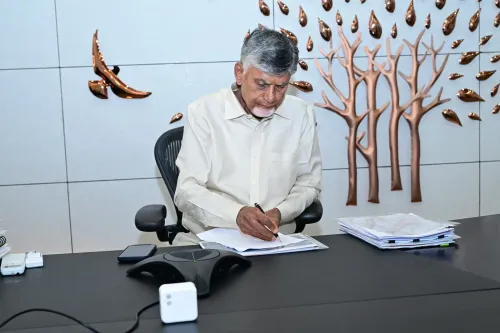
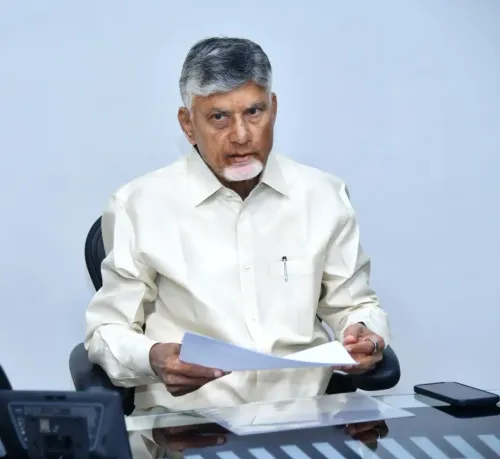
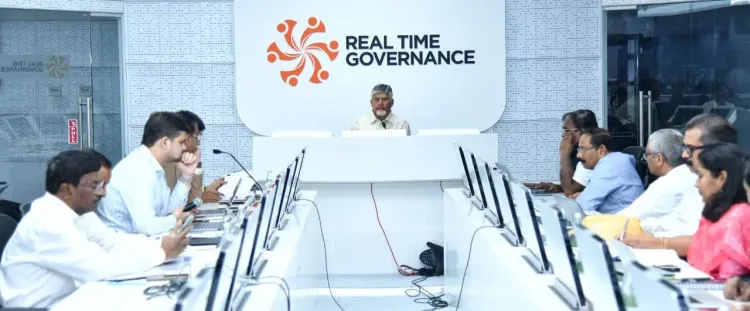
Chief Minister Chandrababu Naidu held a real-time multi-department flood review at the Real Time Governance Centre on September 24, 2026 .
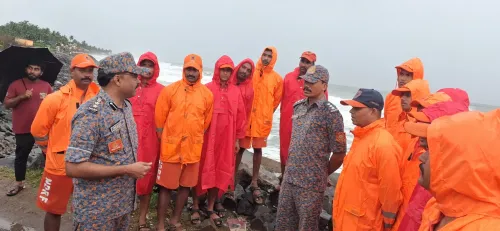
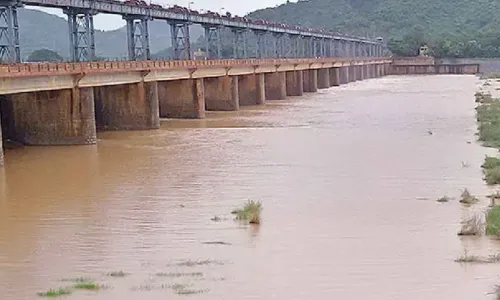
A cyclonic storm has been battering Andhra Pradesh for three consecutive days , causing heavy rainfall and swelling rivers and reservoirs.
16 districts recorded heavy to very heavy rainfall, including Visakhapatnam, Anakapalli, Vizianagaram, Srikakulam, Kakinada, both Godavari districts, Eluru, Krishna, and NTR.
Officials reported a rise in groundwater levels as a result of sustained rainfall.
The CM directed that all water sources in the state be filled to capacity using the increased inflows.
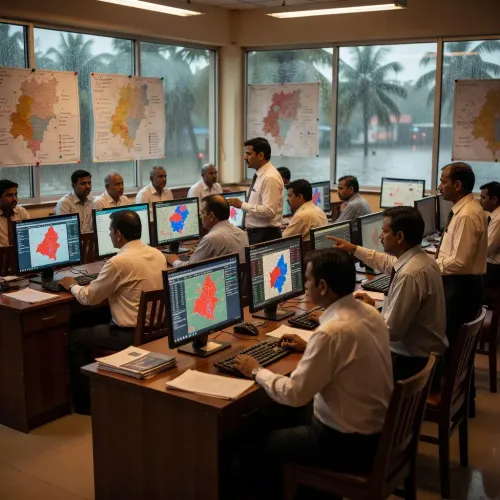
The RTGC enables simultaneous coordination across irrigation, revenue, and disaster management departments during weather emergencies.
With rivers swelling, reservoirs receiving surge inflows, and a cyclonic storm hammering Andhra Pradesh's coast for three consecutive days, Chief Minister Nara Chandrababu Naidu on Thursday, September 24, 2026, convened an urgent multi-department review at the Real Time Governance Centre — the state's nerve centre for weather and emergency monitoring — to take stock of the unfolding situation.
Sixteen Districts Under Heavy Rain, Groundwater on the Rise
Officials briefed the Chief Minister that three days of sustained rainfall triggered by a severe cyclonic storm had already produced measurable gains in groundwater levels across parts of the state — a rare silver lining in an otherwise dangerous weather event. The districts hardest hit include Visakhapatnam, Anakapalli, Vizianagaram, Srikakulam, Alluri Sitharama Raju (Manyam), Kakinada, both Godavari districts, Eluru, Krishna, and NTR district, with intense rain recorded across all 16 districts in total.
CM's Order: Fill Every Water Body While the Rain Lasts
Naidu issued a pointed directive during the review: with floodwaters already running high, officials must ensure that all water sources across the state — reservoirs, tanks, and irrigation bodies — are filled to capacity. The instruction reflects a long-standing Andhra Pradesh governance principle of treating monsoon and cyclone events as opportunities for water storage, not only as emergencies to be managed. Senior officials from irrigation, revenue, disaster management, and related departments participated in the review.
The Real Time Governance Centre at the Heart of the Response
The Real Time Governance Centre (RTGC) in Amaravati serves as Andhra Pradesh's cross-departmental command room, pulling live data on weather, reservoir inflows, scheme delivery, and field conditions into a single dashboard. Chandrababu Naidu has historically championed technology-driven administration, and the RTGC — a facility whose lineage traces back to post-Cyclone Hudhud disaster upgrades after 2014 — embodies that approach. Reviews of this kind allow the Chief Minister to coordinate irrigation, revenue, and disaster-response arms simultaneously without waiting for sequential departmental reports.
Andhra Pradesh's long eastern coastline makes it structurally vulnerable to Bay of Bengal cyclonic systems, and the state has repeatedly had to balance flood evacuation against the imperative of maximising reservoir storage ahead of the lean season. That tension — between protecting lives and capturing water — sits at the centre of today's review.
With reservoir levels and daily rainfall figures set to be the key metrics in coming days, the state's ability to channel floodwaters into storage while safeguarding coastal and riverine communities will define how this weather event is ultimately judged.
Point of View
Particularly for water storage ahead of the dry season. This dual framing, protect lives while filling reservoirs, has become a signature of technology-first administrations in Andhra Pradesh and distinguishes the state's disaster-governance model from purely reactive approaches. The instruction to 'fill all water bodies' during a flood event will invite scrutiny: balancing dam safety and downstream flood risk against long-term irrigation security is a technically complex call, and the decisions taken in the next 48 hours will be closely watched by farmers and coastal communities alike.
NationPress
24 Sept 2026
Frequently Asked Questions
Why did CM Chandrababu Naidu hold a flood review on September 24?
A cyclonic storm caused three days of heavy rainfall across Andhra Pradesh, flooding rivers and filling reservoirs. Naidu chaired the review at the Real Time Governance Centre to assess the situation across all affected departments and issue real-time directives.
Which districts in Andhra Pradesh were affected by heavy rains?
Heavy rainfall was recorded across 16 districts, with the most severe impact in Visakhapatnam, Anakapalli, Vizianagaram, Srikakulam, Manyam, Kakinada, East and West Godavari, Eluru, Krishna, and NTR districts.
What is the Real Time Governance Centre in Andhra Pradesh?
The Real Time Governance Centre is a state-level command-and-monitoring facility that consolidates live data on weather, reservoir levels, scheme delivery, and field conditions, enabling the Chief Minister and senior officials to coordinate cross-departmental responses in real time.
What did CM Naidu order regarding water storage during the floods?
Naidu directed officials to utilise the increased water flows from heavy rains to fill all water sources in the state — including reservoirs and irrigation bodies — to capacity.
Has groundwater risen in Andhra Pradesh due to recent rains?
Yes. Officials briefed the Chief Minister that three days of sustained cyclone-driven rainfall had produced a measurable rise in groundwater levels across parts of the state.