CM Nayab Saini Chairs Haryana Vision-2047 Review Meet
Synopsis
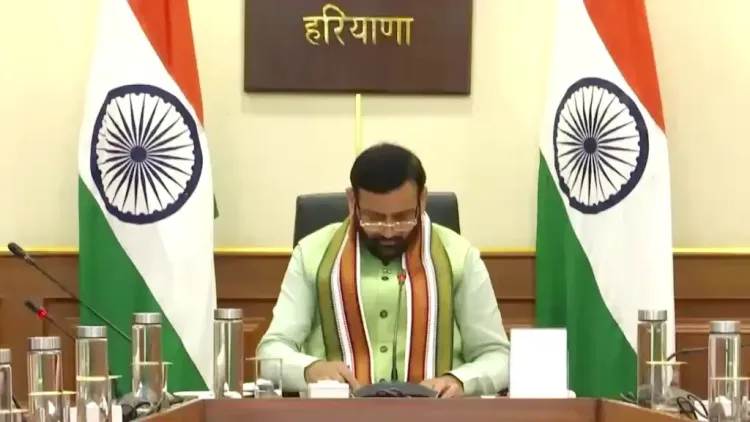
Chief Minister Nayab Saini chaired a high-level review in Chandigarh on the Haryana Vision-2047 roadmap, scrutinising SEWA welfare scheme progress and deliberating on new inclusive policy initiatives to build a developed, citizen-centric Haryana by 2047.
Key Takeaways
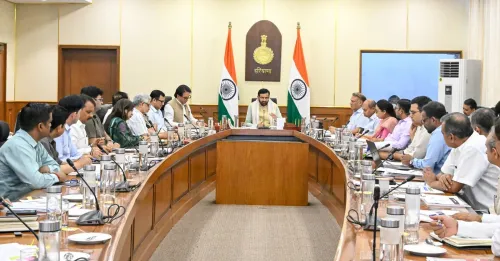
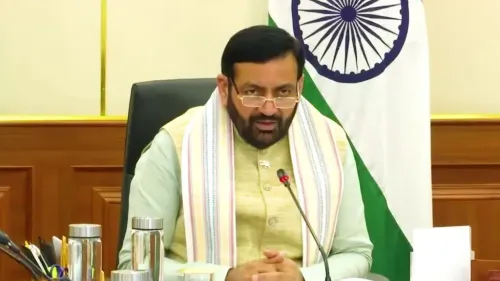
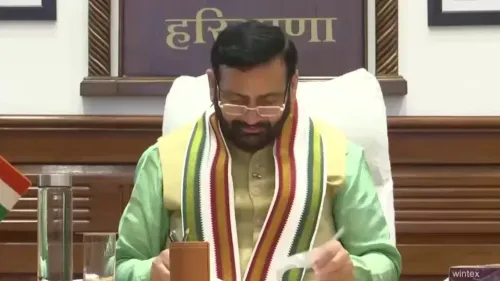
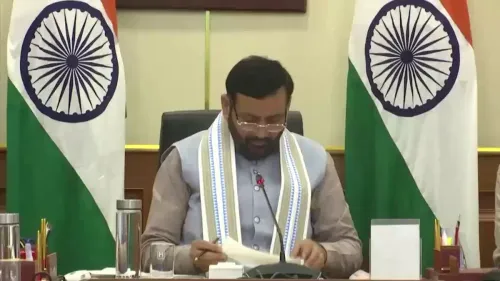
Chief Minister Nayab Saini is chairing a review meeting in Chandigarh focused on the Haryana Vision-2047 roadmap.
The meeting is reviewing welfare schemes run by the SEWA department covering social justice, Scheduled Castes, backward classes, and Antyodaya programmes.
New schemes and policy initiatives are being deliberated to ensure transparent, effective, and inclusive service delivery to all sections of society.
Haryana's Vision-2047 is aligned with the national Viksit Bharat 2047 goal of a fully developed India by the centenary of independence.
The primary beneficiaries are Scheduled Castes , backward classes , and other marginalised communities across the state.
Outcomes from the review are expected to feed into future state budget allocations and annual action plans.
The Chief Minister's Office of Haryana announced on Friday, 27 June 2026, that Chief Minister Nayab Saini is chairing a significant review meeting in Chandigarh to assess the roadmap for Haryana Vision-2047, the state's long-term development blueprint. The meeting is examining the progress of welfare schemes run by the Department of Social Justice, Empowerment, Scheduled Castes and Backward Classes Welfare, and Antyodaya — collectively known as SEWA — while also deliberating on new policy initiatives aimed at inclusive and transparent service delivery.
Context
The official post from the Chief Minister's Office stated that the meeting is focused on 'samajik nyay, adhikaarita, anusuchit jati evam pichhda varg kalyan' (social justice, empowerment, Scheduled Castes and backward class welfare) and Antyodaya programmes. It described the government's resolve to make Haryana a 'vikasit, samriddh aur janakendrit rajya' — a 'developed, prosperous and citizen-centric state' — by the year 2047. The meeting is also exploring new schemes and policy interventions designed to reach every section of society with effective, transparent, and inclusive services.
Policy Backdrop
Haryana's Vision-2047 exercise is directly aligned with the national Viksit Bharat 2047 goal articulated by Prime Minister Narendra Modi, which calls for India to become a fully developed nation by the centenary of independence. States across the country have been formulating their own Vision-2047 documents to synchronise long-term planning with this national target. Haryana's approach, as reflected in the meeting agenda, places particular emphasis on technology-enabled, transparent service delivery reaching marginalised communities including Scheduled Castes and Other Backward Classes.
The SEWA department is the nodal agency for welfare schemes covering social justice, empowerment, and Antyodaya — the last-mile delivery principle drawn from the philosophy of prioritising the poorest of the poor. A comprehensive review of its programme portfolio signals the government's intent to audit delivery gaps and recalibrate schemes ahead of future budget cycles.
Stakeholders and Impact
The primary beneficiaries of the programmes under review are Scheduled Castes, backward classes, and other marginalised sections of Haryana's population. Effective implementation of welfare schemes for these groups has long been a political and administrative priority in the state, which has a significant SC population. Any new policy initiatives or scheme expansions emerging from this review could directly affect access to welfare entitlements, scholarships, livelihood support, and social security benefits for lakhs of residents.
Broader stakeholders include district-level administrators responsible for last-mile delivery and civil society organisations working in the social welfare space. The meeting's focus on transparency and inclusivity also signals an intent to strengthen grievance redressal and monitoring mechanisms within SEWA-administered programmes.
What's Next
The outcomes of the Haryana Vision-2047 review — including any newly approved schemes or policy directions — are expected to be reflected in upcoming state budget allocations and annual action plans. Observers will watch for formal announcements from the Chief Minister's Office on specific initiatives that emerge from the deliberations. The government's stated commitment to making Haryana a developed, citizen-centric state by 2047 will be measured against the pace and quality of implementation of the welfare and empowerment programmes now under review.
Point of View
The government is deliberately foregrounding its welfare credentials with Scheduled Castes and backward class communities, constituencies that proved decisive in recent assembly elections. The alignment with Viksit Bharat 2047 also serves a dual purpose: it ties state governance to a popular national narrative while creating a long-horizon framework that buffers the administration from short-term political pressures. Whether this review translates into measurable delivery improvements will depend on the institutional follow-through visible in the next budget cycle.
NationPress
26 Jun 2026
Frequently Asked Questions
What is Haryana Vision-2047?
Haryana Vision-2047 is the state government's long-term development roadmap aimed at making Haryana a developed, prosperous, and citizen-centric state by the year 2047, aligned with India's national Viksit Bharat 2047 goal.
What is the SEWA department in Haryana?
SEWA stands for the Department of Social Justice, Empowerment, Scheduled Castes and Backward Classes Welfare, and Antyodaya. It is the nodal agency in Haryana for administering welfare schemes targeting marginalised communities.
Why did CM Nayab Saini hold the Vision-2047 review meeting?
The meeting was convened to assess the progress of SEWA-administered welfare schemes and to deliberate on new policy initiatives and schemes that can ensure inclusive, transparent service delivery to every section of Haryana society.
Who benefits from the schemes reviewed in the Haryana Vision-2047 meeting?
The primary beneficiaries are Scheduled Castes, Other Backward Classes, and other marginalised sections of Haryana's population who are covered under SEWA and Antyodaya welfare programmes.
How does Haryana Vision-2047 connect to Viksit Bharat 2047?
Haryana Vision-2047 is the state-level counterpart to Prime Minister Narendra Modi's Viksit Bharat 2047 national goal, with the state preparing aligned long-term plans to synchronise development targets across departments by India's centenary of independence.