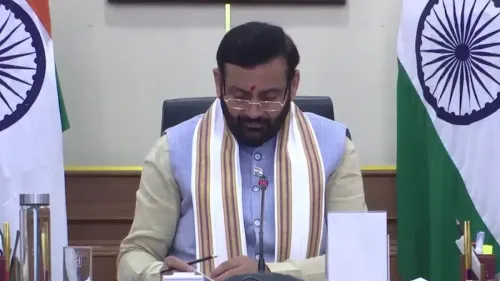
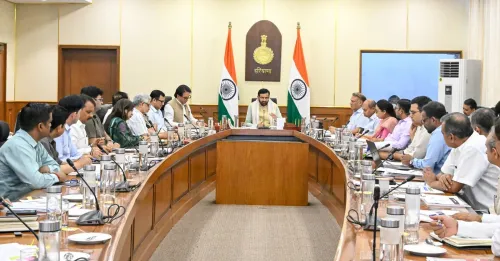
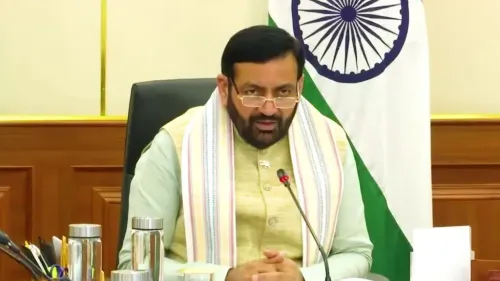
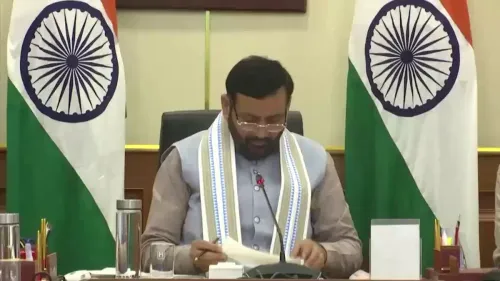
CM Nayab Saini chairs Haryana Vision 2047 transport meet
Synopsis
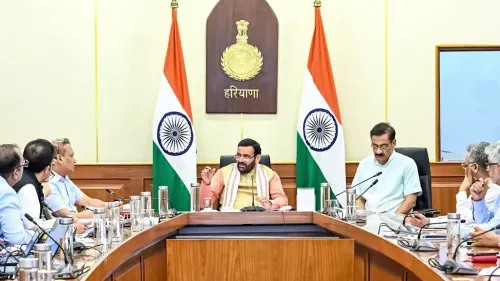
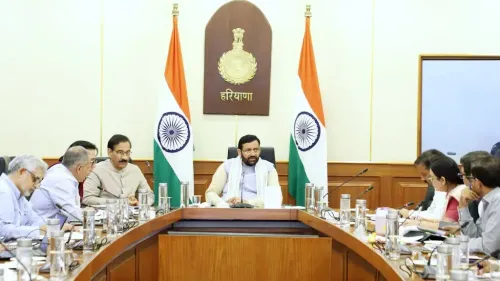
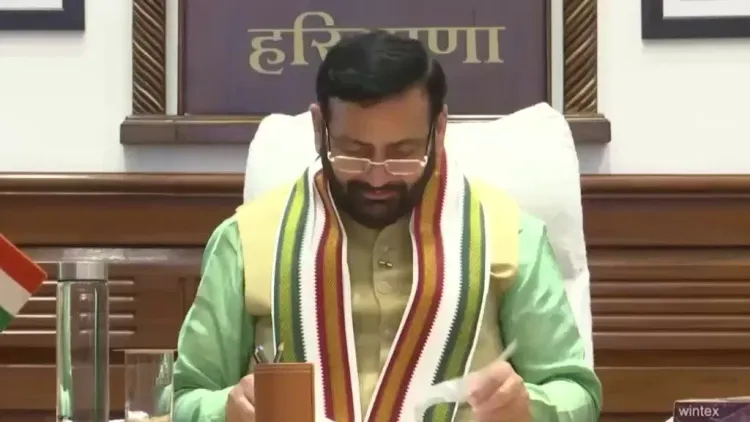
Chief Minister Nayab Saini chaired a high-level meeting in Chandigarh on 26 May 2026 to deliberate on the Haryana Transport Department's future plans and roadmap under the Haryana Vision 2047 framework, with focus on safer and stronger public transport for residents.
Key Takeaways
Chief Minister Nayab Saini chaired a meeting in Chandigarh on 26 May 2026 focused on the Transport Department's roadmap.
Deliberations are being held under the Haryana Vision 2047 long-term development framework, aligned with India's Viksit Bharat@2047 goals.
The meeting aims to provide residents with smoother, safer, and improved transport facilities.
Strengthening public transport services is a stated priority of the discussions.
The exercise could precede budget allocations, new scheme launches, or pilot projects in public transit and road infrastructure.
Outcomes are expected to benefit daily commuters, rural populations, and the broader National Capital Region corridor.
The Chief Minister's Office of Haryana announced on Tuesday, 26 May 2026 that Chief Minister Nayab Saini is chairing a high-level meeting in Chandigarh to deliberate on the Transport Department's future plans and roadmap under the Haryana Vision 2047 framework. The meeting focuses on delivering smoother, safer, and improved transport facilities to residents of the state while strengthening public transport services.
Context
The official post from the Chief Minister's Office reads: 'Chandigarh mein Mukhyamantri Shri Nayab Saini ki adhyakshata mein aayojit baithak mein Haryana Vision 2047 ke tahat Parivahan Vibhag ki bhaavi yojnaon evam aagami roadmap par charcha jaari hai' — meaning a meeting chaired by Chief Minister Nayab Saini in Chandigarh is underway to discuss the Transport Department's future plans and the forthcoming roadmap under Haryana Vision 2047. The deliberations also cover making public transport services more robust for the people of the state.
Chandigarh, the shared capital of Haryana and Punjab, is the routine venue for such high-level administrative consultations involving senior state officials and departmental heads.
Policy Backdrop
Haryana Vision 2047 is the state's long-term development framework, aligned with the central government's Viksit Bharat@2047 initiative that aims to transform India into a developed nation by its centenary of independence. Multiple Indian states began drafting their own Vision 2047 sectoral plans after the national framework was outlined in 2022-2023.
The Haryana Transport Department has previously undertaken fleet expansion and electric bus induction drives under state transport modernisation efforts announced around 2022-2023. The current meeting signals a structured, longer-horizon planning exercise that goes beyond incremental upgrades, situating transport policy within a 25-year developmental arc.
Across India, such vision-document exercises at the state level typically precede budget allocations, scheme launches, or pilot projects aimed at reducing private vehicle dependence and improving last-mile connectivity — particularly relevant for Haryana given its proximity to the National Capital Region.
Stakeholders and Impact
The primary beneficiaries of any outcome from this meeting would be Haryana's daily commuters and public transport users, who rely on state-run bus services for intercity and rural connectivity. Improved public transport infrastructure in a state bordering Delhi also has direct implications for reducing road congestion and vehicle emissions in the broader NCR corridor.
Strengthening public transit is also expected to benefit low-income and rural populations who depend on affordable state bus services for access to employment, healthcare, and education. Road safety improvements, another stated goal of the discussion, directly affect the millions of road users across the state's extensive highway and district-road network.
What's Next
Observers will watch for the release of a formal transport policy document or pilot project announcements in the days following this meeting. Any new budget allocations for bus procurement, road infrastructure upgrades, or digital ticketing systems in the next Haryana budget session would be a direct downstream outcome of deliberations of this nature.
The broader Haryana Vision 2047 exercise is expected to produce sectoral roadmaps across departments; the transport roadmap, once finalised, could serve as a template for phased implementation milestones leading up to 2047.
Point of View
Transport modernisation carries outsized political salience given the state's dense commuter population and its role as a gateway to Delhi. The meeting's outcomes — particularly any announcements on electric buses or last-mile connectivity — will be a credibility test for how substantive the Vision 2047 exercise actually is.
NationPress
19 Sept 2026
Frequently Asked Questions
What is Haryana Vision 2047?
Haryana Vision 2047 is the state government's long-term development framework aligned with India's national Viksit Bharat@2047 goal of becoming a developed nation by the centenary of independence. It guides sectoral planning across departments including transport, infrastructure, and industry.
What was discussed in CM Nayab Saini's transport meeting on 26 May 2026?
The meeting in Chandigarh discussed the Haryana Transport Department's future plans and roadmap under Haryana Vision 2047, with deliberations on providing smoother, safer, and improved transport facilities and strengthening public transport services for state residents.
How will Haryana's transport roadmap affect commuters?
If the roadmap translates into policy, Haryana commuters could see expanded bus fleets, improved road safety measures, better last-mile connectivity, and potentially more electric buses — particularly benefiting rural and low-income residents dependent on public transit.
What is Viksit Bharat 2047?
Viksit Bharat@2047 is the central government's initiative to make India a fully developed nation by 2047, the 100th year of independence. States have been encouraged to align their own vision documents and sectoral plans with this national goal.