CM Nayab Saini Champions Tree Plantation with Ancient Wisdom
Synopsis
Haryana Chief Minister Nayab Singh Saini cited a classical Sanskrit verse on the supreme value of trees to amplify the Ek Ped Maa Ke Naam plantation campaign on 7 August 2026, connecting ancient ecological wisdom to a live national afforestation drive.
Key Takeaways
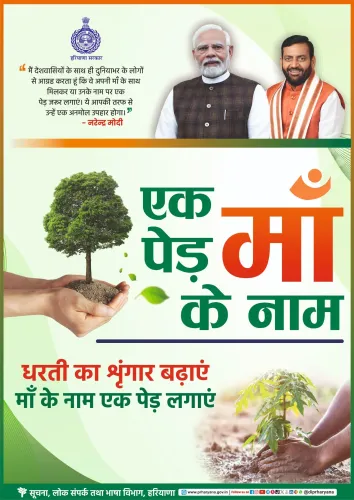
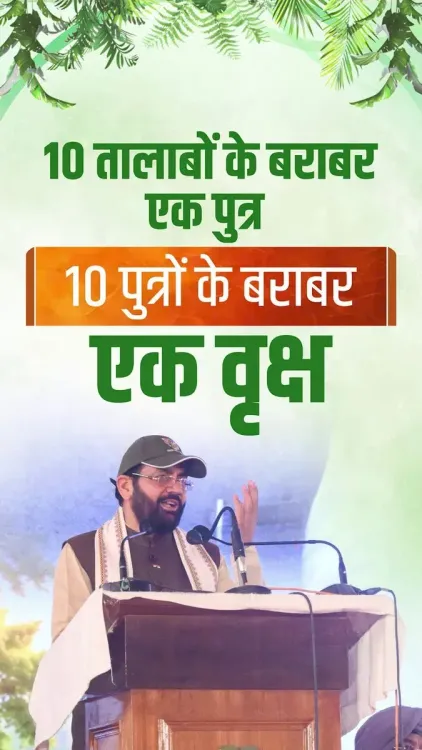
CM Nayab Singh Saini posted on 7 August 2026 invoking an ancient Sanskrit maxim: 'Ten ponds equal one son, ten sons equal one tree.' The post promotes the Ek Ped Maa Ke Naam campaign, a national initiative launched in 2024 asking citizens to plant a tree in their mother's name.
Haryana's participation aligns with India's National Mission for a Green India and broader climate commitments.
India's tradition of organised mass tree plantation dates to 1950 with K.M.
Munshi's Van Mahotsav festival.
Survival rates of saplings during the 2026 monsoon season will determine the real environmental impact of the drive.
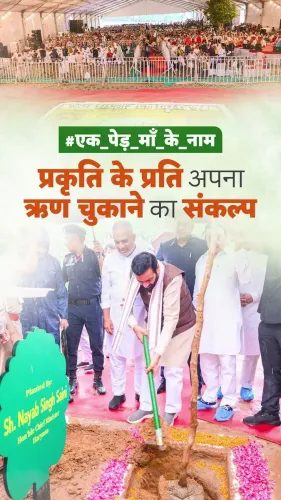
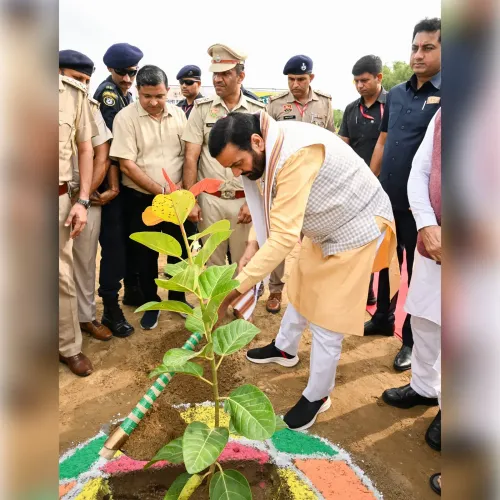
An ancient Sanskrit maxim — 'Das talabon ke barabar ek putra, das putron ke barabar ek vriksha' ('Ten ponds equal one son, ten sons equal one tree') — became the rallying cry on Friday, 7 August 2026, as Haryana Chief Minister Nayab Singh Saini invoked the teachings of India's sages to underscore the irreplaceable value of trees under the Ek Ped Maa Ke Naam campaign.
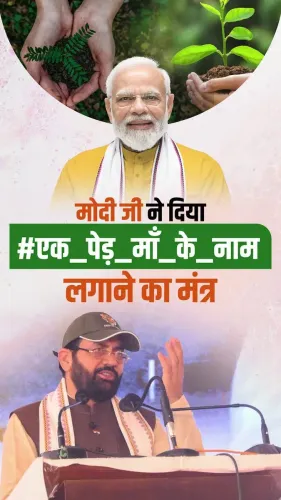
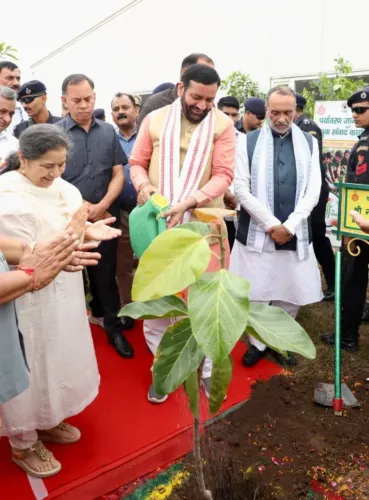
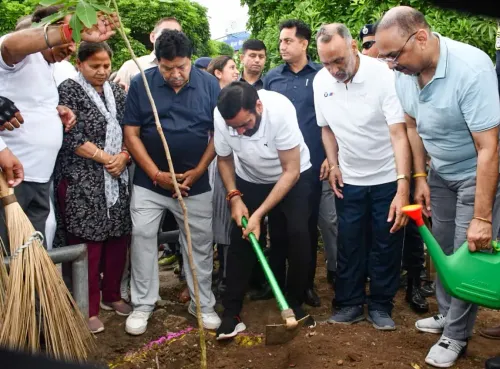
Posting on X, CM Saini quoted the timeless message of India's rishi-munis (sages and seers), framing tree plantation not merely as an ecological act but as a civilisational duty rooted in ancient wisdom. The post carried the hashtags #एक_पेड़_माँ_के_नाम and #Plant4Mother, aligning Haryana's push with the national campaign that asks every citizen to plant a tree in their mother's name.
A Sloka That Outlasted Centuries
The verse Saini cited is drawn from classical Indian texts and has long been used to communicate ecological interdependence in terms ordinary communities could feel. By placing it at the centre of a social-media post, the Chief Minister bridges a millennia-old conservation ethic with a contemporary afforestation drive. The message is deliberate: trees are not a resource to be managed — they are, by the reckoning of the ancients, worth more than a son.Ek Ped Maa Ke Naam: The Campaign Behind the Post
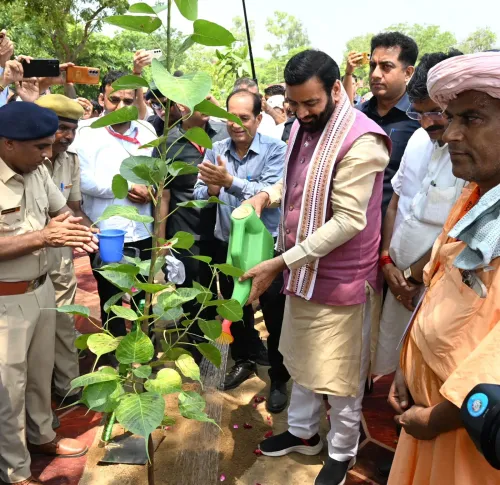
The Ek Ped Maa Ke Naam initiative was launched nationally in 2024, inviting citizens across India to plant a sapling as a living tribute to their mothers. It taps a deeply personal emotion — filial devotion — and converts it into measurable green cover. Indian states, including Haryana, have mobilised their forest and environment departments to participate, embedding the drive within India's broader commitments under the National Mission for a Green India. The tradition of organised mass tree plantation in India stretches back to 1950, when K.M. Munshi established the annual Van Mahotsav festival — a reminder that the political will to plant trees is neither new nor partisan, but the urgency around survival rates and verified green cover has never been sharper. With the 2026 monsoon season now under way, the real test for Haryana — and every state joining the campaign — is how many of those saplings survive beyond the first rains. Planting numbers make headlines; survival rates make forests.Point of View
The messaging reaches audiences for whom ancient texts carry more authority than climate reports. The Ek Ped Maa Ke Naam campaign itself reflects a broader BJP strategy of fusing nationalist cultural identity with governance deliverables. The harder political question — whether Haryana's plantation numbers and survival rates will hold up to scrutiny — remains the metric that separates symbolic gestures from genuine green cover.
NationPress
7 Aug 2026
Frequently Asked Questions
What is the Ek Ped Maa Ke Naam campaign?
Ek Ped Maa Ke Naam is a national tree plantation initiative launched in 2024 that encourages Indians to plant a sapling as a tribute to their mothers, aiming to expand green cover across the country.
What did CM Nayab Singh Saini post about trees?
On 7 August 2026, Haryana Chief Minister Nayab Singh Saini quoted an ancient Sanskrit maxim — 'Ten ponds equal one son, ten sons equal one tree' — to highlight the value of trees and promote the Ek Ped Maa Ke Naam campaign.
What does the Sanskrit sloka about trees mean?
The verse conveys that a single tree is ecologically more valuable than ten sons, and ten sons more valuable than ten ponds — a classical Indian way of ranking nature's worth above human lineage.
What is Van Mahotsav and how does it relate to this campaign?
Van Mahotsav is India's annual tree plantation festival, first organised in 1950 by K.M. Munshi. It established the tradition of state-level afforestation drives that campaigns like Ek Ped Maa Ke Naam continue today.
How is Haryana participating in India's afforestation goals?
Haryana, under CM Nayab Singh Saini, has joined the Ek Ped Maa Ke Naam drive as part of India's National Mission for a Green India, with the 2026 monsoon season being a key window for plantation activity.