CM Dhami to honour Dehradun's Neetu Rani with Teelu Rauteli Award
Synopsis
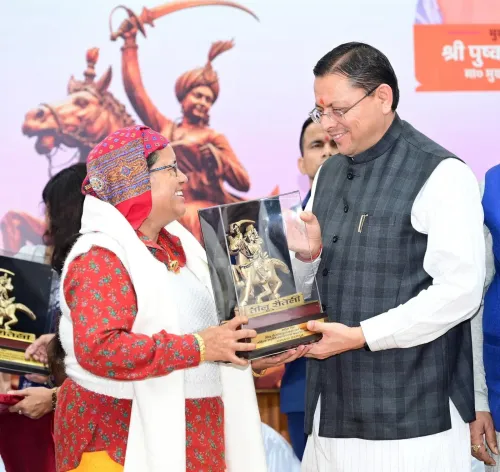
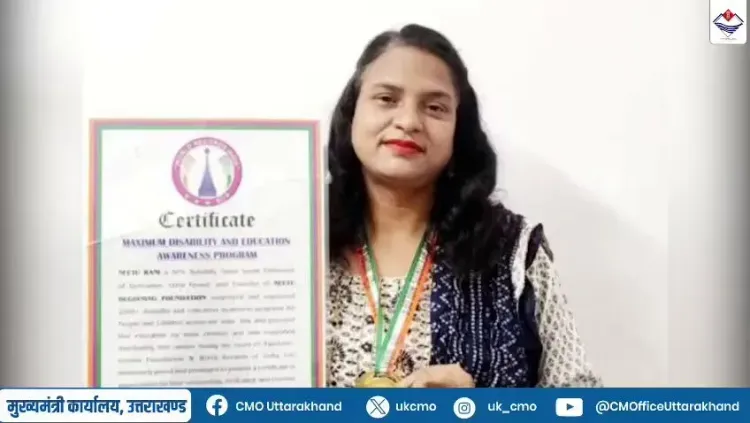
Uttarakhand Chief Minister Pushkar Singh Dhami will honour Neetu Rani of Jhajra, Dehradun — herself a person with disability — with the Teelu Rauteli Puraskar 2025-26 on 8 August, recognising her sustained work in social service, education, and disability empowerment.
Key Takeaways
Neetu Rani , a resident of Jhajra, Dehradun , will receive the Teelu Rauteli Puraskar 2025-26 on 8 August .
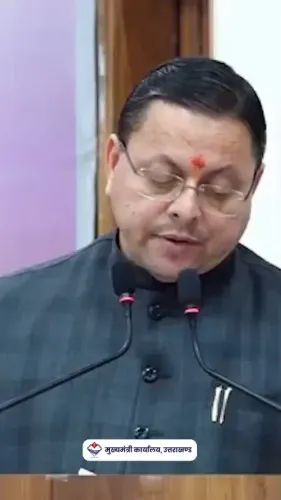
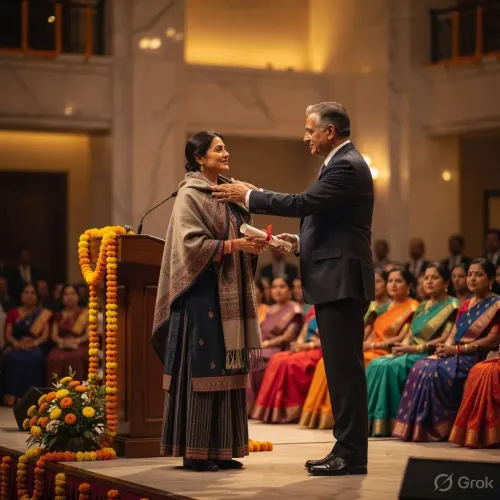
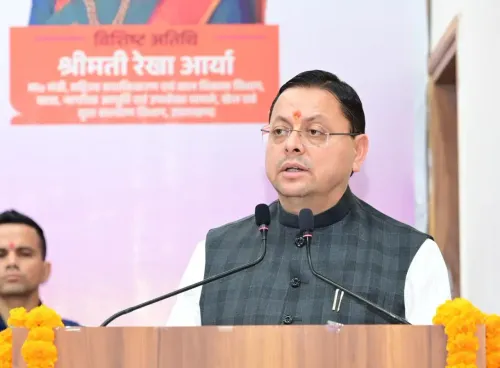
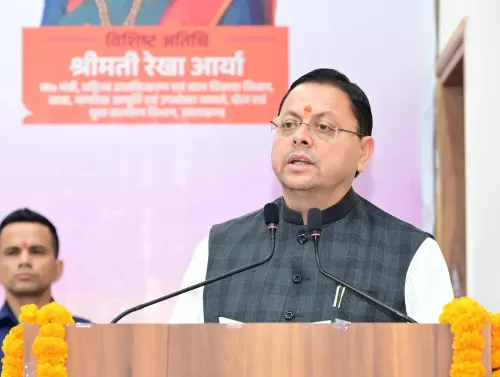
CM Pushkar Singh Dhami will personally confer the award, giving it state-level prominence.
Rani is herself a person with disability, making her recognition an example of lived-experience leadership in disability welfare.
Her work spans social service, education, and empowerment of divyangjan in the Dehradun area.
The Teelu Rauteli Puraskar is Uttarakhand's annual award for outstanding contributions to women's empowerment and allied social causes.
She lives with disability — and yet she has spent years lifting others. Neetu Rani, a resident of Jhajra, Dehradun, who has dedicated herself to social service, education, and the empowerment of persons with disabilities despite being differently abled herself, will be conferred the Teelu Rauteli Puraskar 2025-26 by Uttarakhand Chief Minister Pushkar Singh Dhami on 8 August.
Who is Neetu Rani — and why this recognition matters
The Chief Minister's Office of Uttarakhand announced the honour on social media, describing Rani as someone who, 'स्वयं दिव्यांग होते हुए भी' ('despite being a person with disability herself'), has remained steadfastly committed to social service, education, and the empowerment of fellow divyangjan. That framing is the point: Rani is not just a beneficiary of inclusion policy — she is one of its architects at the grassroots level in her community.
Jhajra is a locality on the outskirts of Dehradun, Uttarakhand's capital, far from the spotlight of state-level recognition. The award brings that quiet, sustained work into public view.
The Teelu Rauteli Puraskar and Uttarakhand's women-welfare tradition
The Teelu Rauteli Puraskar is an annual Uttarakhand government award named after a legendary local warrior figure, recognising outstanding contributions to women's empowerment and allied social causes. The state has periodically used such named awards to spotlight individuals working at the intersection of gender equity and marginalised-group welfare — a practice that anchors the recognition in Uttarakhand's own cultural heritage rather than generic bureaucratic citation.
For the 2025-26 award cycle, Rani's selection signals an explicit link between disability inclusion and women's empowerment — two policy streams that often run parallel but rarely get recognised in a single individual's story.
What the 8 August ceremony signals
CM Dhami will personally confer the award, lending the occasion state-level visibility. The ceremony on 8 August is expected to draw attention to disability welfare frameworks in Uttarakhand, even as specific scheme announcements or accompanying policy statements remain to be seen. What is already clear is the government's intent: to hold up lived experience — not just institutional effort — as the benchmark for social contribution.
A woman from a Dehradun neighbourhood, working without fanfare among the differently abled, now stands at the centre of the state's highest women's empowerment honour. That, in itself, is the story worth watching on 8 August.
Point of View
The Teelu Rauteli Puraskar is a low-cost, high-visibility tool to signal commitment to both women's empowerment and disability inclusion ahead of a period when welfare optics matter. The convergence of gender and disability in a single awardee also tests whether Uttarakhand's welfare architecture can hold both policy streams together in practice, not just in ceremony. If the 8 August event is accompanied by concrete scheme announcements, it becomes policy; if not, it remains a meaningful but symbolic moment.
NationPress
21 Sept 2026
Frequently Asked Questions
Who is Neetu Rani and why is she receiving the Teelu Rauteli Award?
Neetu Rani is a resident of Jhajra, Dehradun, who has worked in social service, education, and empowerment of persons with disabilities despite being differently abled herself. She is receiving the Teelu Rauteli Puraskar 2025-26 in recognition of this sustained grassroots work.
What is the Teelu Rauteli Puraskar?
The Teelu Rauteli Puraskar is an annual Uttarakhand government award named after a celebrated local warrior figure. It recognises individuals who have made outstanding contributions to women's empowerment and related social causes in the state.
When and where will the Teelu Rauteli Award 2025-26 be given?
Chief Minister Pushkar Singh Dhami will confer the award on 8 August. The ceremony is being organised by the Uttarakhand government.
Who is conferring the Teelu Rauteli Puraskar 2025-26?
Uttarakhand Chief Minister Pushkar Singh Dhami will personally confer the Teelu Rauteli Puraskar 2025-26 on Neetu Rani on 8 August.
What work has Neetu Rani done for persons with disabilities in Uttarakhand?
Neetu Rani has been active in social service, education, and the empowerment of divyangjan (persons with disabilities) in the Jhajra area of Dehradun, working at the community level despite being differently abled herself.