CM Nayab Saini flies to Sweden on 4-day investment drive
Synopsis
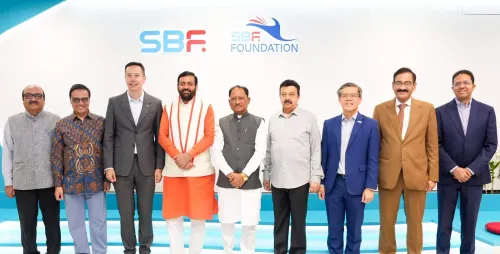
Haryana Chief Minister Nayab Singh Saini has left for Sweden on a four-day official visit to attract global FDI and forge technology partnerships, positioning Haryana as an industrial and innovation hub under the Viksit Bharat framework.
Key Takeaways
Haryana CM Nayab Singh Saini departed for Sweden on October 14, 2026 for a four-day official visit.
The trip targets global investments, technology partnerships, and industrial positioning for Haryana .
Sweden is a major player in automotive, clean tech, telecom, and advanced manufacturing — sectors aligned with Haryana's industrial base in Gurugram, Faridabad , and Sonipat .
The visit is framed under the Viksit Bharat vision, PM Modi's roadmap for India to become a developed economy by 2047 .
India-Sweden cooperation on science and technology has formal institutional roots dating to the early 2000s .
MOUs and investment announcements are the expected deliverables; their translation into actual projects will be the key metric to watch.
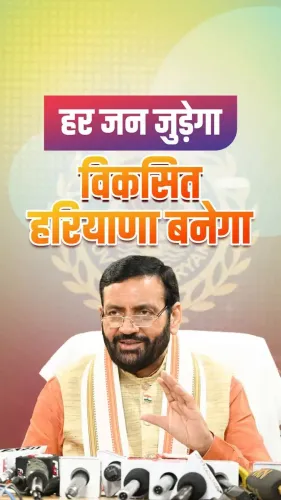
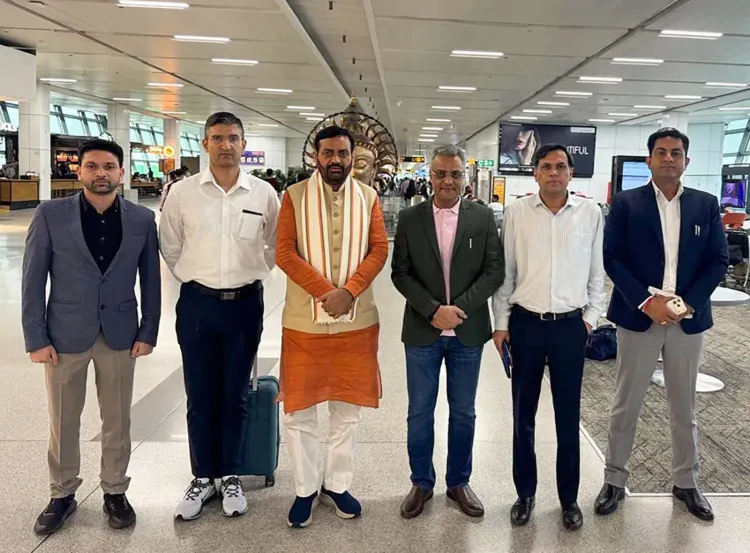
Haryana Chief Minister Nayab Singh Saini boarded a flight to Sweden on Wednesday, October 14, kicking off a four-day official visit aimed squarely at pulling global capital and cutting-edge technology partnerships into one of India's most industrially dense states.
Why Sweden, why now
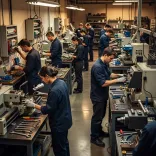
The choice of destination is deliberate. Sweden punches well above its population weight in sectors Haryana covets most — automotive, clean technology, telecom, and advanced manufacturing — home to global names such as Volvo and Ericsson. For a state whose industrial belt stretches from Gurugram to Faridabad to Sonipat, a direct conversation with Scandinavian technology leaders is a shortcut to the kind of high-value FDI that transforms supply chains rather than merely adding headcount.
Saini framed the trip in his own words as a mission to 'attract global investments, foster technology partnerships and position Haryana as a leading industrial and innovation hub,' tying the effort explicitly to the national Viksit Bharat ('Developed India') vision that Prime Minister Narendra Modi has set as India's economic north star for 2047.
Haryana's long play for European capital
This visit fits a well-worn but increasingly competitive playbook. Indian states have turned overseas investment roadshows into a fixture of economic governance, each one racing to convert proximity advantages and policy incentives into signed MOUs. Haryana's edge is geographical — its collar around the national capital gives it instant connectivity to Delhi's airport, road, and talent infrastructure — and historical, with an auto-IT industrial base that European firms already know.
India-Sweden cooperation on science, technology, and innovation dates to the early 2000s, giving this visit an institutional runway rather than a cold start. Haryana's own industrial policy architecture, updated repeatedly since 2015, has been engineered to absorb exactly the kind of FDI that Nordic tech companies represent.
What the four days could yield
The real measure of the trip will be what lands on paper before Saini flies home. Memoranda of understanding are the standard deliverable from such visits, but translating an MOU into an approved project, a broken ground, and a running factory is a different and longer journey. Investors, industry watchers, and Haryana's own manufacturing sector will be tracking whether any commitments from Stockholm survive the commute back to Chandigarh.
For now, the signal sent is clear: Haryana is not waiting at home for investment to arrive. It is going to find it.
Point of View
Competing aggressively for European FDI that increasingly has multiple destinations to choose from. For Haryana, the stakes are high: the state's Gurugram-anchored economy has matured beyond assembly and needs next-generation clean-tech and telecom partnerships to sustain its growth premium over rival NCR states. The 'Viksit Haryana, Viksit Bharat' framing is also a political signal — aligning a state government's foreign outreach with the Prime Minister's 2047 vision is now standard BJP-governed-state branding. Whether the visit produces durable industrial investment or a shelf of unsigned MOUs will define its true worth.
NationPress
14 Oct 2026
Frequently Asked Questions
Why is Haryana CM Nayab Singh Saini visiting Sweden?
Saini is on a four-day official visit to Sweden to attract global investments, build technology partnerships, and promote Haryana as an industrial and innovation hub, in line with the Viksit Bharat vision.
When did CM Nayab Singh Saini leave for Sweden?
He departed on Wednesday, October 14, 2026, for the four-day visit.
What industries could benefit from Haryana's Sweden visit?
Sectors likely to benefit include automotive, clean technology, telecom, and advanced manufacturing — areas where Swedish firms have global expertise that complements Haryana's existing industrial base in Gurugram, Faridabad, and Sonipat.
What is Viksit Bharat and how does this visit relate to it?
Viksit Bharat is Prime Minister Narendra Modi's national vision for India to become a developed economy by 2047. Saini explicitly linked his Sweden trip to this goal, framing Haryana's industrial growth as a contribution to the broader national ambition.
What is the history of India-Sweden cooperation?
India and Sweden have had bilateral cooperation agreements on science, technology, and innovation since the early 2000s, giving the current visit an established institutional foundation to build upon.