HP CM Moved by Tribal Welcome in Kaza, Spiti Valley
Synopsis
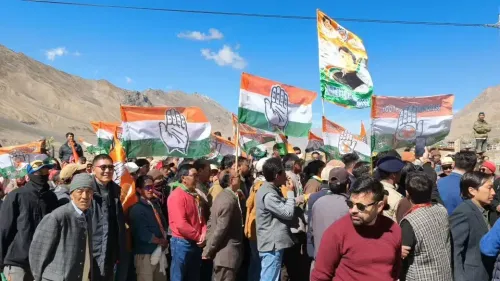
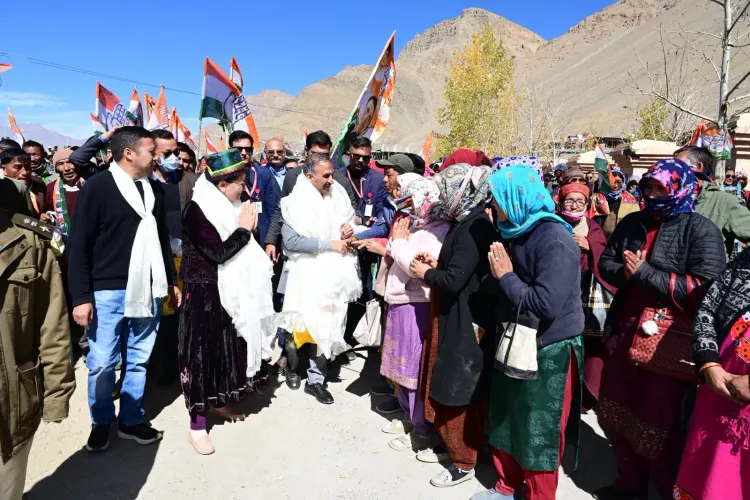
Himachal Pradesh's CMO posted on October 14, 2026 that the Chief Minister was deeply moved by a traditional tribal welcome in Kaza, Spiti Valley, with MLA Anuradha Rana in attendance, underscoring state outreach to remote tribal communities.
Key Takeaways
The Chief Minister's Office of Himachal Pradesh posted on October 14, 2026 about a tribal welcome ceremony in Kaza , headquarters of Lahaul and Spiti district .
The CM described feeling 'overwhelmed' by the reception conducted with traditional tribal customs .
MLA Anuradha Rana was specifically noted as present at the event alongside the Chief Minister.
Kaza sits at approximately 3,800 metres above sea level and is home to predominantly Buddhist tribal communities with centuries-old customs.
The visit fits a broader pattern of Himachal leadership engaging with remote tribal belts including Spiti, Kinnaur, Pangi, and Bharmour.
High in the cold-desert heights of Spiti Valley, a traditional tribal welcome unfolded at Kaza — and the Chief Minister's Office of Himachal Pradesh made sure the country knew it mattered. On Wednesday, October 14, 2026, the CMO posted on X describing the reception as deeply moving, a moment where ancient custom met contemporary governance.
The post, written in Hindi, reads: 'Kaja mein paramparik janjatiy riti-rivaazon ke saath kiye gaye aatmiy svaagat se abhibhoot hoon' — 'I am overwhelmed by the heartfelt welcome accorded with traditional tribal customs at Kaza.' The message continued that the 'immense affection of everyone present is extremely precious,' and pointed to Himachal's rich tribal culture, its traditions, and the sense of belonging among the people as something uniquely special.
Kaza: Where Spiti's Buddhist Tribal Identity Lives
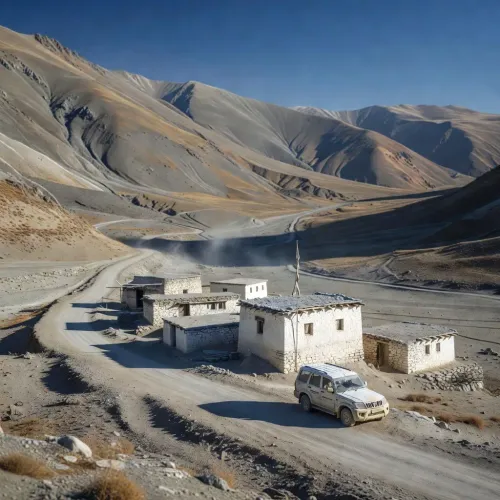
Kaza is no ordinary district headquarters. Perched at roughly 3,800 metres above sea level, it is the administrative and cultural nerve-centre of Lahaul and Spiti district — one of India's most sparsely populated and geographically isolated regions. The communities here are predominantly Buddhist, with customs, dress, and festivals that trace an unbroken lineage through centuries of trans-Himalayan exchange. A state leader's visit to this pocket of Himachal is never purely logistical; it carries a symbolic weight that the valley's residents take seriously.
MLA Anuradha Rana's Presence at the Event
The CMO post specifically noted that MLA Anuradha Rana was also present at the occasion — a detail that signals this was not an impromptu stopover but a coordinated engagement with elected local representation. Rana's attendance alongside the Chief Minister's visit frames the event as part of structured outreach to tribal constituencies rather than a fleeting ceremonial gesture.
A Pattern of Reaching Himachal's Remote Tribal Pockets
Himachal Pradesh's state leadership has a standing tradition of periodic visits to its tribal belts — Spiti, Kinnaur, Pangi, and Bharmour — to participate in local customs and acknowledge the cultural distinctiveness of communities that often feel distant from the plains-centric rhythm of state governance. These visits serve a dual purpose: they are exercises in cultural affirmation and quiet reminders that the state's diversity extends well beyond the Shimla ridge. Whether this visit translates into concrete cultural-preservation announcements or development pledges for Spiti remains the question the valley will be watching for.
Point of View
Making high-visibility leadership visits politically consequential. The specific mention of MLA Anuradha Rana suggests the party is keen to spotlight local women representatives in tribal areas, fitting a wider state-level narrative around inclusive governance. Whether the warmth of the welcome translates into tangible policy commitments for Spiti will determine how lasting this moment of 'aatmiyata' really proves.
NationPress
14 Oct 2026
Frequently Asked Questions
Where is Kaza located in Himachal Pradesh?
Kaza is the headquarters of the Spiti subdivision in Lahaul and Spiti district, Himachal Pradesh. It sits at approximately 3,800 metres above sea level in a remote cold-desert valley and is known for its Buddhist tribal communities.
Why did the Himachal Pradesh CM visit Kaza?
The CMO post indicates the CM visited Kaza and was received with traditional tribal customs, emphasising the state government's engagement with Spiti's tribal heritage and communities. A specific policy purpose was not stated in the post.
Who is MLA Anuradha Rana?
Anuradha Rana is the Member of the Legislative Assembly mentioned as present during the Chief Minister's visit to Kaza in Spiti Valley on October 14, 2026.
What tribal communities live in Spiti Valley?
Spiti Valley is home to predominantly Buddhist tribal communities whose culture, customs, and festivals reflect centuries of trans-Himalayan tradition, distinct from the broader Hindu plains culture of Himachal Pradesh.
Does the Himachal Pradesh CM regularly visit tribal areas?
Yes. Himachal Pradesh state leadership has a tradition of periodic visits to tribal belts such as Spiti, Kinnaur, Pangi, and Bharmour to participate in local customs and acknowledge the state's distinct tribal heritage.