Afghan police destroy 161 tons of drugs in Herat in year-long crackdown
Synopsis
Afghan police incinerated 161 tons of narcotics in Herat — the largest single destruction in a year-long sweep that also took down 10 heroin labs in Ghor province. With ambulances being used as drug mules in Takhar and large burns reported from Panjshir and Takhar in weeks prior, Afghanistan's enforcement tempo is at its most visible in years.
Key Takeaways
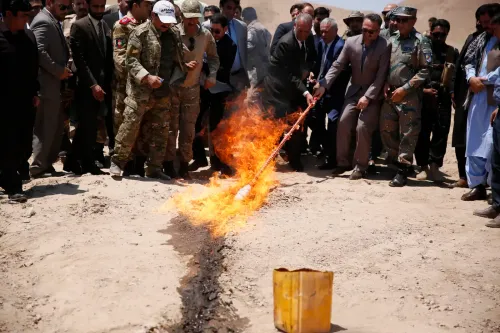
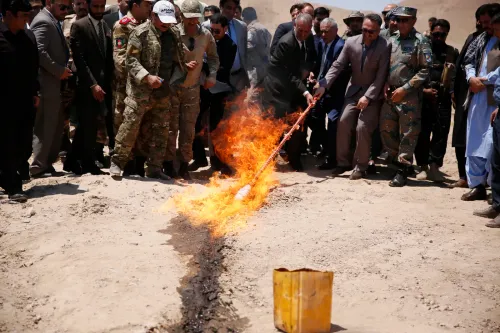
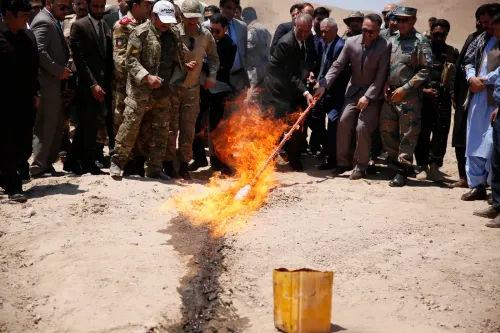
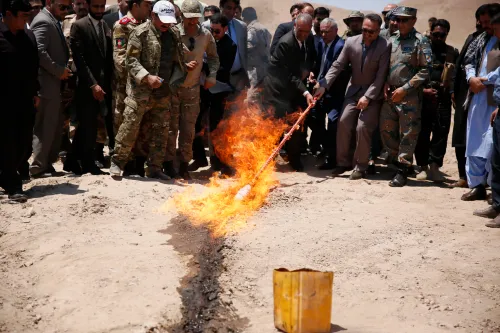
Afghan police destroyed 161 tons of illicit narcotics in Herat province following a year-long counter-narcotics campaign.
Authorities also dismantled 10 drug-processing laboratories and seized heroin-manufacturing materials in neighbouring Ghor province .
On 9 October , police seized 614 kg of opium from a disguised ambulance intercepted in Taluqan, Takhar province .
A separate operation in Panjshir resulted in the seizure and burning of 321 kg of drugs , including 250 kg of opium .
On 30 September , over three tonnes of contraband — including opium, hashish, and stimulant tablets — were publicly destroyed in Takhar .
The Afghan government has banned drug cultivation, production, and trafficking, pledging to make Afghanistan a drug-free nation.
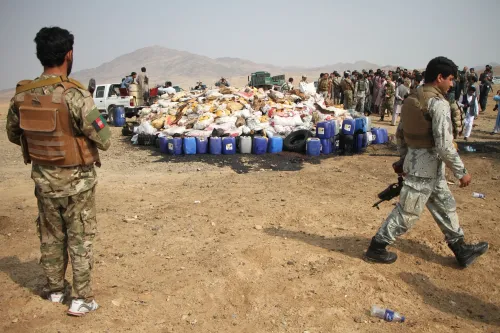
Afghan police have incinerated 161 tons of seized illicit narcotics in western Herat province, marking the culmination of a year-long counter-narcotics campaign targeting drug storage and trafficking networks across one of Afghanistan's most active smuggling corridors. The destruction, confirmed on 14 October, underscores Kabul's continued push to position Afghanistan as a drug-free nation after decades of dominating global opium supply.
Scale of the Operation
The narcotics were recovered through a series of raids conducted across Herat city, the provincial capital, and multiple districts within the province, according to provincial police spokesman Sayed Massoud Hussaini. The haul encompassed a range of illicit substances, though Hussaini did not disclose the number of individuals arrested in connection with the seizures.
In a related development, authorities also dismantled 10 drug-processing laboratories and uncovered a large cache of heroin-manufacturing materials in the neighbouring Ghor province, officials reported on Wednesday. The parallel operations suggest a coordinated effort to disrupt not just trafficking but production infrastructure deeper in the supply chain.
A Pattern of High-Profile Seizures
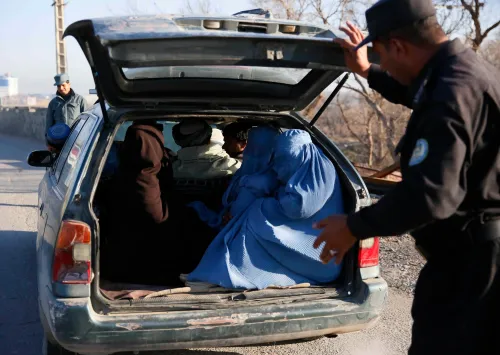
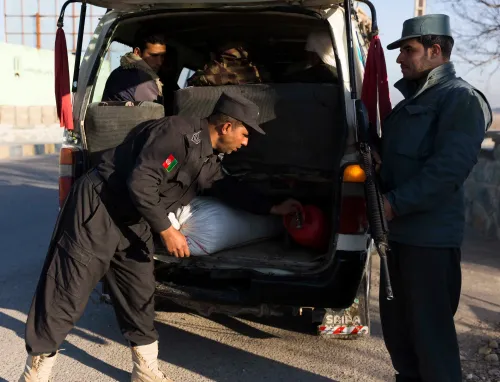
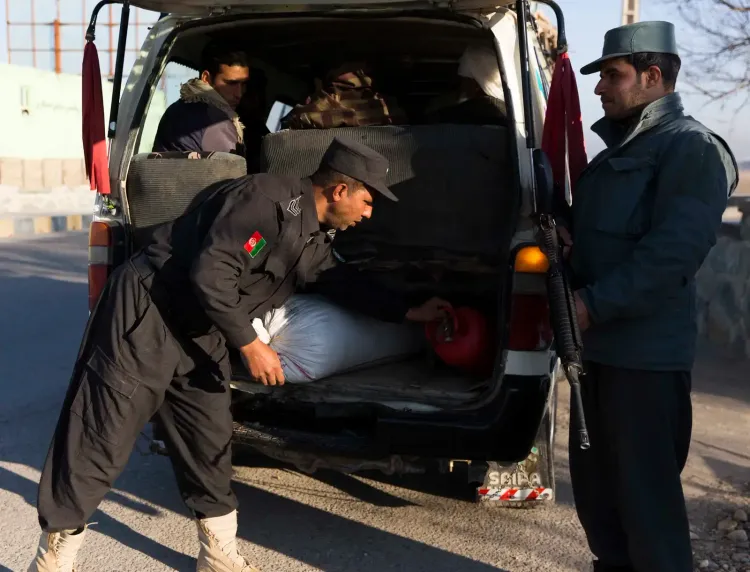
The Herat operation is part of a broader nationwide enforcement push that has yielded several notable interdictions in recent weeks. On 9 October, counter-narcotics police in the northern province of Takhar stopped a private ambulance travelling from neighbouring Badakhshan province and discovered 614 kg of opium concealed inside, with the vehicle posing as one carrying a patient when intercepted at Taluqan, the provincial capital. Provincial police spokesman Naqibullah Masroor confirmed the find.
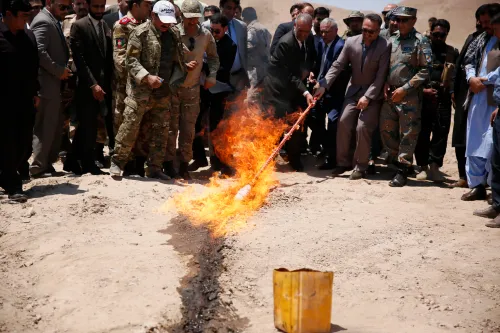
In a separate incident, police in the eastern province of Panjshir seized and publicly burned 321 kg of illegal drugs, including 250 kg of opium. Earlier, on 30 September, authorities in Takhar publicly destroyed more than three tonnes of contraband — comprising three tons of opium, 198 kg of hashish, and 175 stimulant tablets locally referred to as 'Tablet K' — in the presence of local government officials and residents.
Afghanistan's Anti-Narcotics Pledge
The Afghan government has formally banned drug trafficking, production, and opium poppy cultivation, pledging to sustain enforcement until the country, long identified globally for its poppy fields, achieves drug-free status. Hussaini warned that police would not permit anyone to smuggle, cultivate, or process illicit drugs anywhere in Afghanistan, signalling zero tolerance as the policy posture.
Notably, this campaign comes after years in which Afghanistan accounted for the bulk of the world's illicit opium supply. The scale of recent destructions — totalling well over 164 tonnes across multiple provinces in just weeks — represents a sharp operational tempo, though independent verification of outcomes remains limited given access constraints in the country.
What to Watch
The sustained frequency of large seizures across geographically dispersed provinces — from Herat in the west to Takhar in the north and Panjshir in the east — suggests a nationally coordinated enforcement framework rather than isolated local actions. Analysts will be watching whether the destruction of processing laboratories in Ghor translates into a measurable reduction in heroin output, which has historically been harder to curb than raw opium seizures alone.
Point of View
But the harder question is whether enforcement is dismantling supply chains or merely seizing product that moves around them. The destruction of 10 heroin labs in Ghor is a more meaningful indicator than tonnage burned, since production infrastructure is harder to replace than stockpiled inventory. Afghanistan has historically been the world's dominant opium producer, and while the ban on poppy cultivation marks a policy shift, independent verification of ground conditions remains nearly impossible. The risk is that headline destruction numbers become a performance metric without a corresponding decline in actual production or export volumes — a gap that international monitoring bodies have flagged repeatedly.
NationPress
14 Oct 2026
Frequently Asked Questions
How much drugs did Afghan police destroy in Herat?
Afghan police incinerated 161 tons of assorted illicit narcotics in Herat province, recovered during a year-long series of counter-narcotics operations across Herat city and surrounding districts.
What else was uncovered in Afghanistan's drug crackdown?
In addition to the 161-ton destruction in Herat, authorities dismantled 10 drug-processing laboratories and seized heroin-manufacturing materials in Ghor province. Separate operations in Takhar and Panjshir yielded hundreds of kilograms of opium and other drugs.
How was the 614 kg opium seizure in Takhar carried out?
Counter-narcotics police intercepted a private ambulance on 9 October in Taluqan, Takhar province, which was posing as a vehicle carrying a patient. Searching it, officers discovered 614 kg of opium; the ambulance had travelled from neighbouring Badakhshan province.
What is Afghanistan's official policy on drug production?
The Afghan government has formally banned drug trafficking, production, and opium poppy cultivation. Authorities have pledged to sustain enforcement operations until Afghanistan becomes a drug-free country, with warnings of stern action against violators.
Why is Afghanistan's drug crackdown significant globally?
Afghanistan has long been the world's leading source of illicit opium, historically supplying the bulk of global heroin. A sustained domestic crackdown — if it holds — could have significant implications for international drug trafficking networks and supply chains that extend across Central Asia and into Europe.