Over 3 tonnes of illegal drugs destroyed in Afghanistan's Takhar
Synopsis
Afghan authorities publicly burned over three tonnes of narcotics in Takhar province on 30 September — the second major drug destruction in the same province within weeks. With 60 arrests across 12 provinces and a nationwide crackdown intensifying, Afghanistan's enforcement campaign is escalating, even as deep-rooted economic pressures continue to sustain the illicit drug trade.
Key Takeaways
Afghan authorities destroyed more than 3 tonnes of illegal drugs in Takhar province on 30 September .
Contraband included 3 tonnes of opium , 198 kg of hashish , and 175 stimulant tablets ('Tablet K').
Provincial police spokesman Naqibullah Masroor confirmed the destruction, warning of strict action against drug producers and traffickers.
On 20 September , Afghanistan's Ministry of Interior Affairs reported 60 arrests and 29 kg of seizures across 12 provinces .
A prior destruction of 2.5 tonnes of narcotics was carried out in Takhar on 27 August , indicating a sustained enforcement pattern in the province.
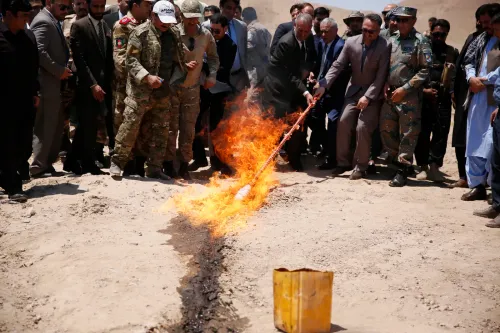
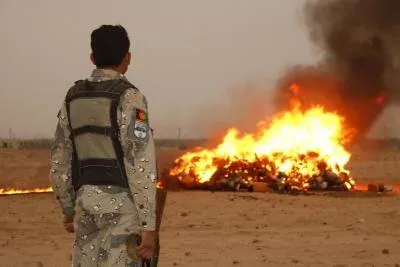
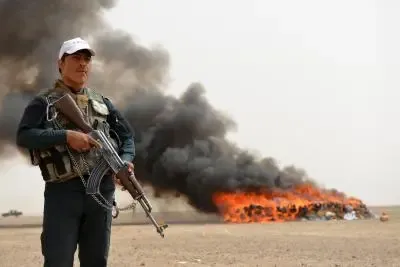
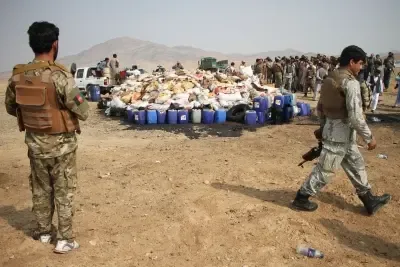
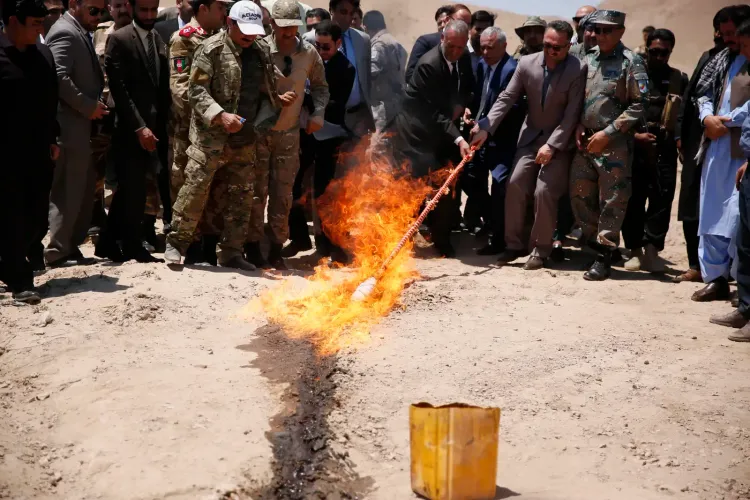
Afghan authorities publicly incinerated more than three tonnes of illegal drugs in the northern Takhar province of Afghanistan on Wednesday, 30 September, in one of the province's largest recorded drug-destruction operations in recent months. Provincial police spokesman Naqibullah Masroor confirmed the destruction, which was carried out in the presence of local government officials and residents.
What Was Destroyed
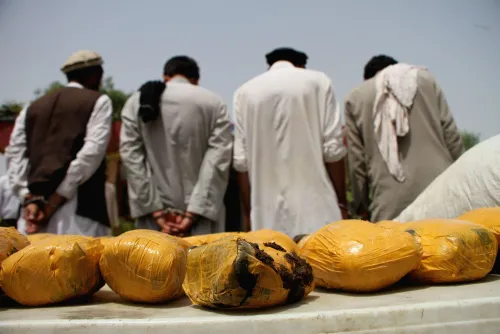
The contraband comprised three tonnes of opium, 198 kg of hashish, and 175 stimulant tablets locally referred to as 'Tablet K.' According to Masroor, the narcotics had been accumulated through a series of counter-narcotics operations conducted across Takhar province over the preceding two months. The public burning was intended to serve as a visible deterrent against drug production and trafficking in the region.
Authorities Issue Stern Warning
The provincial police spokesman warned that counter-narcotics units would not permit anyone to produce or traffic illegal drugs out of the province, and that strict action would be taken against violators. The statement reflects a broader hardening of enforcement posture in northern Afghanistan, where opium cultivation and drug transit routes have historically been entrenched.
Nationwide Crackdown Gains Pace
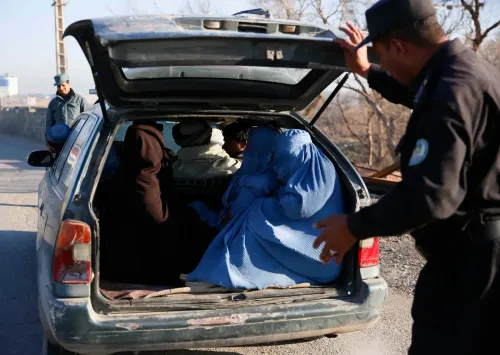
The Takhar operation is part of a wider anti-narcotics push across Afghanistan. On 20 September, the country's Ministry of Interior Affairs announced the arrest of 60 individuals suspected of involvement in the illicit drug trade, alongside the seizure of 29 kg of narcotics in operations spanning 12 provinces — including Nimroz, Balkh, Nangarhar, Kapisa, Laghman, Kunduz, Samangan, Parwan, Badakhshan, Khost, Panjshir, and Farah. The ministry did not disclose further details on the types of drugs seized or the identities of those detained.
Pattern of Escalating Enforcement in Takhar
Notably, this is the second major drug-burning event in Takhar province within a single month. On 27 August, Afghan police destroyed more than 2.5 tonnes of illicit narcotics in the same province — comprising 2,000 kg of opium, 335 kg of hashish, and over 200 kg of methamphetamine. Spokesman Masroor had issued an identical warning on that occasion. The repeated, high-volume destructions in Takhar suggest the province remains a significant node in Afghanistan's narcotics supply chain, even as enforcement activity intensifies. Afghanistan has historically accounted for a substantial share of global opium supply, and the current campaign represents an attempt by authorities to dismantle production and trafficking networks at the provincial level. Whether the enforcement drive translates into sustained reduction in cultivation and supply remains to be seen, as observers note that structural economic conditions in rural Afghanistan continue to incentivise poppy farming.
Point of View
Not isolated operations. Yet the pattern also reveals something uncomfortable: the volume of narcotics being seized and destroyed points to the continued scale of production and stockpiling in the province. Afghanistan's authorities have historically announced crackdowns with visible, symbolic destructions — the harder question is whether interdiction is disrupting cultivation upstream or merely intercepting a fraction of what moves through. With rural livelihoods still heavily tied to poppy, enforcement without an economic alternative risks being a headline exercise rather than a structural solution.
NationPress
30 Sept 2026
Frequently Asked Questions
What drugs were destroyed in Takhar province on 30 September?
Afghan authorities burned more than three tonnes of illegal drugs in Takhar province on 30 September, comprising three tonnes of opium, 198 kg of hashish, and 175 stimulant tablets locally known as 'Tablet K.' The narcotics had been seized during operations across the province over the preceding two months.
Who confirmed the drug destruction in Takhar?
Provincial police spokesman Naqibullah Masroor confirmed the destruction. He stated that counter-narcotics police would not permit anyone to produce or traffic drugs out of the province and warned of strict legal consequences for violators.
How does this relate to Afghanistan's broader anti-narcotics campaign?
The Takhar destruction is part of a nationwide crackdown. On 20 September, Afghanistan's Ministry of Interior Affairs announced 60 arrests and 29 kg of drug seizures across 12 provinces including Balkh, Nangarhar, Kunduz, and Badakhshan, reflecting a coordinated, multi-province enforcement drive.
Has Takhar seen similar drug destructions recently?
Yes. On 27 August, Afghan police burned more than 2.5 tonnes of narcotics in Takhar province — including 2,000 kg of opium, 335 kg of hashish, and over 200 kg of methamphetamine. The 30 September event marks the second such large-scale destruction in the province within five weeks.
Why is Takhar a focus of Afghanistan's counter-narcotics operations?
Takhar province in northern Afghanistan is considered a significant node in the country's narcotics supply chain, with repeated high-volume seizures suggesting active production and trafficking networks in the region. Authorities appear to be targeting the province as part of a sustained provincial-level enforcement strategy.