Tripura CM hands appointment letters to 1,452 teachers
Synopsis
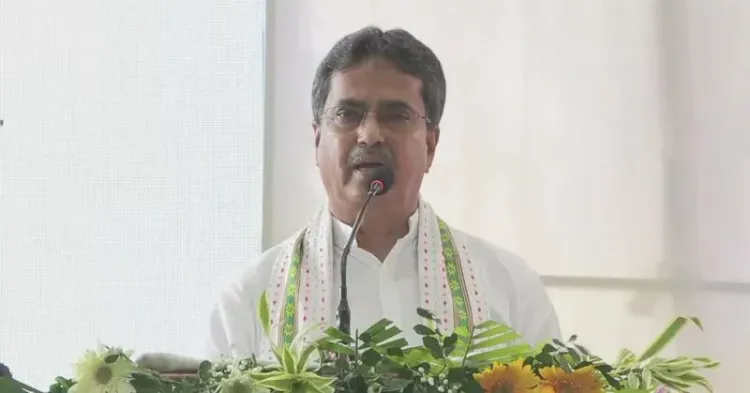
Chief Minister Manik Saha of Tripura presided over the live distribution of appointment letters to 1,452 teachers on 14 October 2026, marking one of the state's largest single-day teacher recruitment events and addressing long-standing vacancies in government schools.
Key Takeaways
1,452 teachers received appointment letters at a state ceremony on 14 October 2026 in Tripura.
CM Manik Saha personally attended and the event was broadcast live, signalling its political and administrative importance.
The drive targets vacancies in elementary and secondary government schools across the state.
Tripura has conducted periodic teacher recruitment exercises since at least 2018 to address persistent staffing gaps.
The appointments align with the central Samagra Shiksha scheme's pupil-teacher ratio norms.
Further recruitment phases and school infrastructure announcements are expected to follow.
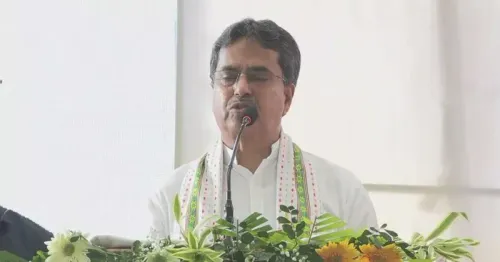
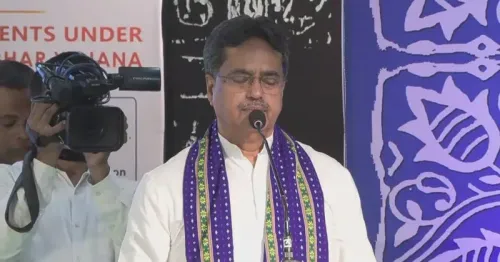
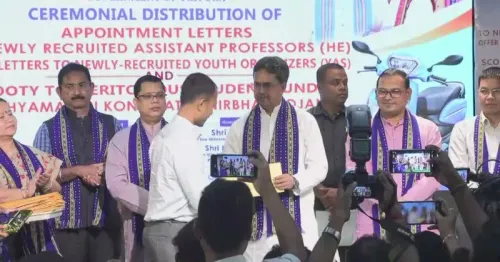
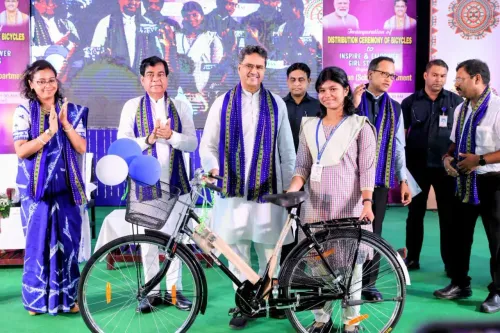
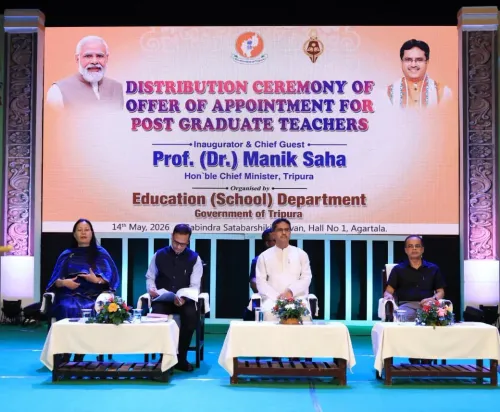
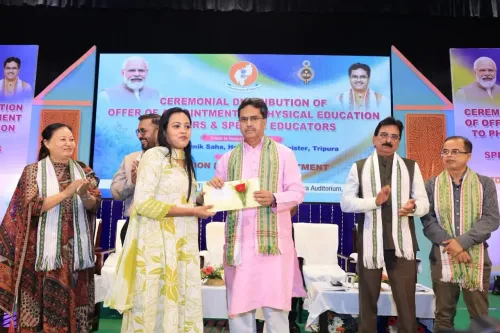
More than fourteen hundred classrooms across Tripura are about to get a new face at the front — as Chief Minister Manik Saha attended the Appointment Letter Distribution Ceremony for 1,452 teachers on Wednesday, 14 October 2026, broadcasting the event live for citizens to witness in real time.
1,452 appointments and what they mean for Tripura's classrooms
The scale of the single-day distribution is significant for a small northeastern state. Tripura has carried persistent vacancies in its government school network, and successive administrations have run periodic recruitment drives since at least 2018 to chip away at the backlog. Handing over letters to 1,452 recruits in one ceremony signals a deliberate push to close that gap in one stroke.
The new teachers are expected to serve in elementary and secondary government schools across the state, directly affecting pupil-teacher ratios that have long lagged behind national targets. For students in remote corners of Tripura — many of whom sit in under-staffed schools — the arrivals could translate into real instructional time gained.
Samagra Shiksha and the push to fill teaching posts
The drive fits squarely within the framework of Samagra Shiksha, the central government's flagship integrated school-education scheme, which incentivises states to meet prescribed pupil-teacher norms as a condition for continued funding. Northeastern states including Tripura have leaned into the scheme as part of a broader post-2014 prioritisation of public-sector vacancies in education and health.
CM Saha, who has led the BJP-governed state since May 2022, has repeatedly cited teacher recruitment as a measurable governance deliverable — the kind of event, broadcast live, that is designed to be both administrative action and public accountability in the same moment.
What comes next for Tripura's schools
Appointment ceremonies are rarely the final word. The sharper test will be whether the new recruits are deployed swiftly to the schools that need them most, whether training and infrastructure keep pace, and whether further recruitment phases follow for subjects and levels where gaps persist. The live broadcast itself — unusual for a routine administrative function — suggests the state government intends to keep the spotlight on education hiring as a signature issue heading into the next political cycle.
Fourteen hundred and fifty-two teachers. Fourteen hundred and fifty-two classrooms waiting. The letters have been handed over; now the real work begins.
Point of View
Accountable political achievement ahead of the next election cycle. For a state where school vacancies have persisted for years, a 1,452-teacher intake in a single day is substantive — but the real governance test lies in deployment and retention, not the ceremony. The event also reflects the broader BJP pattern in northeastern states of using central scheme linkages like Samagra Shiksha to legitimise and publicise state-level hiring pushes. Whether this momentum translates into sustained improvement in pupil-teacher ratios will define whether it is policy or performance.
NationPress
14 Oct 2026
Frequently Asked Questions
How many teachers received appointment letters in Tripura on 14 October 2026?
1,452 teachers received appointment letters at a ceremony attended by Chief Minister Manik Saha on 14 October 2026.
Who is the Chief Minister of Tripura?
Manik Saha has been the Chief Minister of Tripura since May 2022 , leading the BJP-governed state government.
What is the Samagra Shiksha scheme and how does it relate to Tripura teacher recruitment?
Samagra Shiksha is the central government's integrated school-education scheme that sets pupil-teacher ratio norms and links funding to states meeting those targets — providing a framework incentive for Tripura's ongoing teacher recruitment drives.
Why does Tripura have vacancies in government school teachers?
Tripura has faced long-standing teacher vacancies in its government school network; the state has conducted periodic recruitment exercises since at least 2018 to address the backlog.
Will there be more teacher recruitment phases in Tripura after this ceremony?
Further phases of teacher recruitment are expected as the state continues to address gaps across different subjects and school levels, with school infrastructure and training programmes also likely to be announced alongside future appointments.