CM Nayab Saini Offers Prayers at Kurukshetra Gurudwara
Synopsis
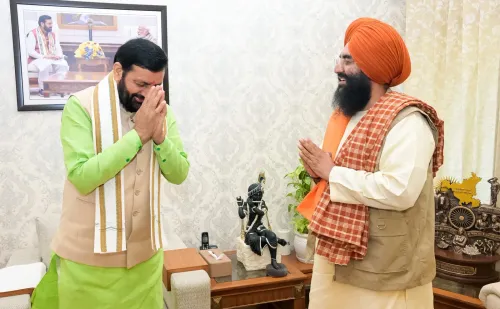
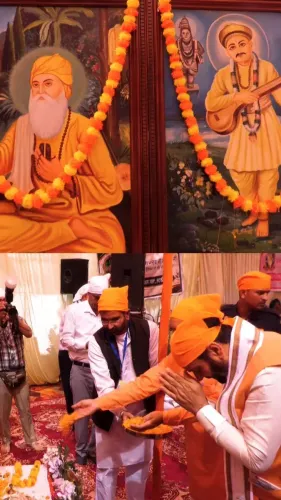
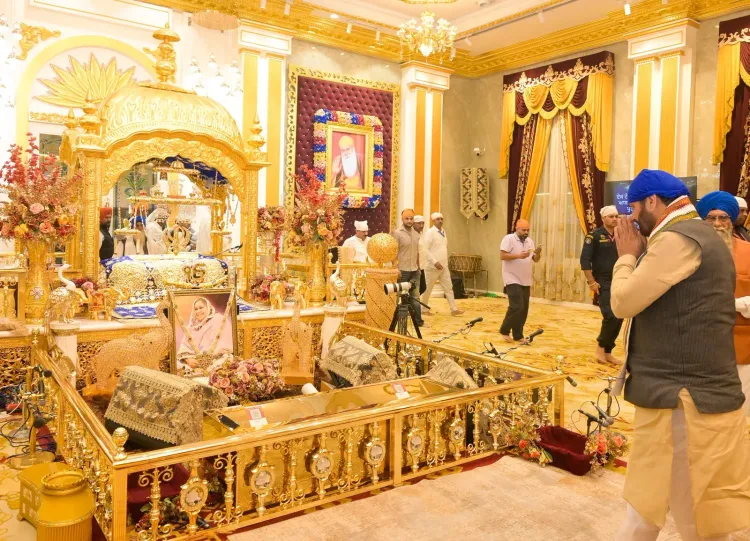
Haryana Chief Minister Nayab Singh Saini visited Gurudwara Sahib Neeldhari Sampradaya in Pipli, Kurukshetra on November 15, 2026, offering prayers for the welfare, peace, and prosperity of all residents of Haryana.
Key Takeaways
Haryana CM Nayab Singh Saini visited Gurudwara Sahib Neeldhari Sampradaya (Pipli) in Kurukshetra on November 15, 2026 .
He offered ardas (prayer) at the gurudwara, seeking sarbat de bhala — well-being for all.
Saini prayed specifically for the 'happiness, prosperity, peace, and well-being' of Haryana's residents.
The Neeldhari Sampradaya is a distinct sect within Sikhism known for its unique devotional traditions.
Kurukshetra holds deep religious significance for both Hindu and Sikh communities across Haryana.
The visit reflects the CM's continuing engagement with the state's Sikh community, particularly in the month of Guru Nanak Jayanti .
Amid the sacred precincts of Gurudwara Sahib Neeldhari Sampradaya (Pipli) in Kurukshetra, Haryana Chief Minister Nayab Singh Saini bowed in reverence on Sunday, November 15, 2026, seeking the blessings of Guru Sahib for the welfare and prosperity of the state's people.
Saini described the visit as an act of heartfelt devotion, posting that he 'offered prayers at the feet of Guru Sahib — sarbat de bhale de liye ardas ki [prayed for the well-being of all]'. He added that he sought 'happiness, prosperity, peace, and well-being for all residents of the state.'
A Gurudwara Rooted in the Neeldhari Tradition
Gurudwara Sahib Neeldhari Sampradaya in Pipli, Kurukshetra district, is associated with the Neeldhari sect of Sikhism — a tradition known for its distinct devotional practices and emphasis on spiritual discipline. The gurudwara draws visitors from across Haryana and beyond, sitting within a district already dense with religious significance for both Hindu and Sikh communities.
Kurukshetra itself carries centuries of sacred weight — from its Mahabharata-era legacy to its cluster of historic gurudwaras tied to Sikh Guru traditions. For Haryana's political leadership, a visit here resonates well beyond the ceremonial.
Saini's Outreach to Haryana's Sikh Community
Nayab Singh Saini, who assumed the Chief Ministership of Haryana in 2024, has made visible engagements with the state's Sikh population a recurring feature of his tenure. Haryana shares deep cultural and historical ties with Sikh traditions, and visits to gurudwaras by state leadership serve as a reaffirmation of that bond.
The timing of the visit is also notable — November is the month that marks Guru Nanak Jayanti, the birth anniversary of Sikhism's founder, one of the most widely observed occasions in the Sikh calendar. Whether this visit is linked to broader festivities surrounding that occasion remains in keeping with the season's spirit of collective prayer and communal harmony.
In a state where religious pluralism is both a cultural reality and a political fact, gestures like this one carry a quiet but clear message — that governance includes showing up at the doorsteps of faith.
Point of View
These acts of devotion double as quiet statements of governance philosophy. The 'sarbat de bhala' framing — a universal Sikh prayer for collective well-being — is a particularly deft choice, projecting a message that extends beyond any single community.
NationPress
15 Nov 2026
Frequently Asked Questions
Which gurudwara did Haryana CM Nayab Singh Saini visit on November 15 2026?
CM Nayab Singh Saini visited Gurudwara Sahib Neeldhari Sampradaya (Pipli) in Kurukshetra , Haryana, on November 15, 2026.
What is the Neeldhari Sampradaya?
The Neeldhari Sampradaya is a distinct sect within Sikhism, known for its unique devotional practices and spiritual discipline. The gurudwara in Pipli, Kurukshetra, is associated with this tradition.
What is 'sarbat de bhala' and why did CM Saini mention it?
'Sarbat de bhala' is a traditional Sikh phrase meaning 'well-being for all.' CM Saini used it to describe his prayer at the gurudwara, seeking peace and prosperity for all residents of Haryana.
Why is Kurukshetra religiously significant in Haryana?
Kurukshetra holds deep religious importance for both Hindu and Sikh communities. It is associated with the Mahabharata and also houses several historic gurudwaras linked to Sikh Guru traditions.
When did Nayab Singh Saini become Chief Minister of Haryana?
Nayab Singh Saini became Chief Minister of Haryana in 2024 . He is a senior leader of the Bharatiya Janata Party (BJP).