CM Nitish Kumar Appeals for Peaceful Muharram in Bihar
Synopsis
The Chief Minister's Office of Bihar issued a public appeal on June 26, 2026, urging all state residents to observe Muharram in an atmosphere of peace and brotherhood. CM Nitish Kumar conveyed that the martyrdom of Imam Hussain inspires humanity, sacrifice, and mutual goodwill, and wished all residents happiness and prosperity.
Key Takeaways
The Chief Minister's Office of Bihar issued the appeal on June 26, 2026 , ahead of Muharram observances.
CM Nitish Kumar called on all residents of Bihar to celebrate Muharram with peace, brotherhood, and communal harmony.
The statement invokes the martyrdom of Imam Hussain at Karbala (680 CE) as an inspiration for humanity, sacrifice, and mutual goodwill.
The appeal is consistent with Nitish Kumar's long-standing Sushasan (good governance) framework of pre-festival communal harmony messaging since 2005 .
Bihar's sizable Muslim population and large Muharram processions in cities like Patna and Muzaffarpur make such appeals a standard administrative practice.
Focus will now shift to the conduct of processions across Bihar's districts and any district-level security or coordination measures announced.
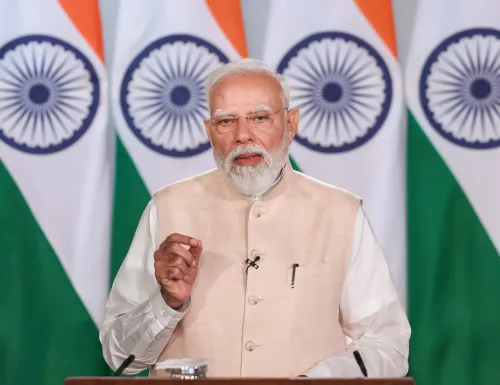
The Chief Minister's Office of Bihar, on behalf of Chief Minister Nitish Kumar, on Friday, June 26, 2026, issued a public appeal urging all residents of the state to observe Muharram in an atmosphere of peace, brotherhood, and communal harmony.
The official post, shared from the Chief Minister's Office account, conveyed that the martyrdom commemorated during Muharram serves as an inspiration to walk the path of 'insaniyat, tyaag, sahas aur aapasi sadbhaav' — humanity, sacrifice, courage, and mutual goodwill. CM Nitish Kumar extended his wishes for the happiness, peace, and prosperity of all people of the state.
Context
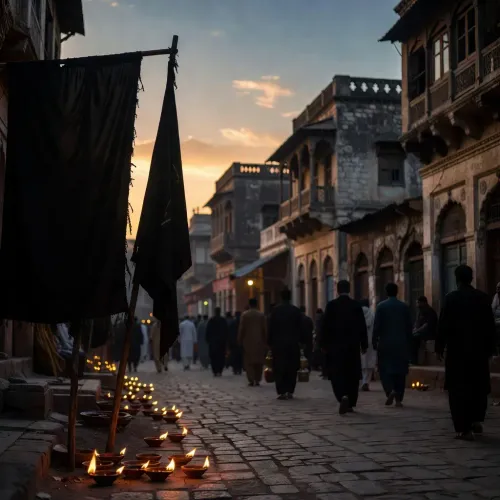
Muharram is the first month of the Islamic lunar calendar and holds deep religious significance, particularly for Shia Muslims who observe it as a period of mourning. The observance commemorates the 680 CE martyrdom of Imam Hussain, grandson of the Prophet Muhammad, at the Battle of Karbala in present-day Iraq. Processions, lamentation gatherings, and public mourning mark the tenth day, known as Ashura, across India and the world. In Bihar, Muharram is observed by both Shia and Sunni communities, with processions passing through urban and semi-urban centres across the state. The occasion draws large public gatherings, making administrative coordination and appeals for peace a standard part of state governance in the days leading up to Ashura.Policy Backdrop
The appeal fits squarely within the governance philosophy that Nitish Kumar has branded as 'Sushasan' — good governance — since he first assumed office in 2005. Under this framework, the Bihar government has consistently issued pre-festival messages ahead of major religious observances, both Islamic and Hindu, emphasising inter-community amity and public order. Such messaging is not ceremonial alone. State administrations in eastern and northern India routinely coordinate with district administrations and police ahead of Muharram processions to plan route management, deploy additional personnel, and facilitate dialogue between community leaders. The Chief Minister's public appeal functions as a signal to both the administration and the public about the tone the government expects to be maintained. Across India, state governments with sizable Muslim populations — including those with large Shia communities — issue similar appeals, reflecting a broader administrative pattern of linking religious commemoration to messages of national and social unity.Stakeholders and Impact
Bihar is home to a substantial Muslim population, and Muharram processions in cities such as Patna, Muzaffarpur, and Darbhanga draw significant public participation. The Chief Minister's appeal is directed at all residents — not only Muslim communities — reinforcing a message of shared civic responsibility during the observance. Community organisations, mosque committees, and local imambara trusts are among the key stakeholders who coordinate with district authorities during this period. The government's public stance of brotherhood and goodwill is intended to set a tone that discourages friction and encourages voluntary cooperation among communities. For the broader population of Bihar, such appeals also serve as a reminder of the state's pluralist tradition, which successive administrations have sought to project as a governance asset.What's Next
Attention will now turn to how Muharram processions unfold across Bihar's districts in the days ahead, and whether the state government announces accompanying security or community-coordination measures at the district level. The conduct of observances — and the administration's response — will be a practical test of the harmony that CM Nitish Kumar has publicly called for. Sustained peaceful observance would reinforce the state's record of managed communal coexistence, which remains a key plank of the ruling dispensation's governance narrative.Point of View
Reinforcing his administration's inclusive governance credentials ahead of a sensitive religious observance. By invoking the universal values of sacrifice and humanity associated with Karbala, the message is calibrated to resonate across communities — not just the Muslim electorate. This fits a two-decade pattern of Nitish Kumar using festival messaging to project Bihar as a state where the government actively manages communal relations rather than leaving them to chance. In a state where communal harmony is both a governance goal and an electoral asset, such statements carry weight beyond their ceremonial surface.
NationPress
24 Sept 2026
Frequently Asked Questions
Why did Bihar CM Nitish Kumar issue a Muharram appeal?
CM Nitish Kumar issued the appeal to urge all Bihar residents to observe Muharram peacefully, invoking the values of humanity and brotherhood associated with the martyrdom of Imam Hussain. Such appeals are a standard practice of his administration ahead of major religious observances.
What is Muharram and why is it observed?
Muharram is the first month of the Islamic lunar calendar. It is observed as a period of mourning, especially by Shia Muslims, to commemorate the martyrdom of Imam Hussain at the Battle of Karbala in 680 CE. The tenth day, Ashura, is the most significant day of observance.
What did the Bihar Chief Minister's Office say about Muharram 2026?
The Chief Minister's Office of Bihar stated that the martyrdom commemorated during Muharram inspires humanity, sacrifice, courage, and mutual goodwill. CM Nitish Kumar appealed to all state residents to celebrate the festival in a peaceful, brotherly, and harmonious atmosphere.
Is it common for Indian state governments to issue Muharram peace appeals?
Yes, it is a common administrative practice across Indian states with sizable Muslim populations. State governments issue such appeals to encourage peaceful processions, coordinate with district administrations, and project inclusive governance.
What is 'Sushasan' and how does it relate to this appeal?
'Sushasan' means good governance and is the central governance philosophy of CM Nitish Kumar's administration since 2005. Pre-festival appeals for communal harmony, including for Muharram, are a consistent part of this framework aimed at maintaining public order and social amity.