PM Modi on Muharram: Imam Hussain's sacrifice inspires truth and justice
Synopsis
Prime Minister Modi's Muharram message went beyond a routine greeting — invoking Imam Hussain's sacrifice as a living lesson in courage and conviction. In a country where political leaders routinely mark religious occasions, Modi's framing of Karbala's legacy as a universal call for truth and justice carries resonance across communities.
Key Takeaways
PM Narendra Modi posted a Muharram message on X on 26 June , honouring the sacrifice of Hazrat Imam Hussain (AS) .
Modi called the sacrifice an enduring reminder of 'the power of courage and conviction' in the pursuit of truth and justice.
Muharram is the first month of the Islamic calendar and one of Islam's four sacred months; Ashura falls on its 10th day .
Ashura commemorates the martyrdom of Imam Hussain (AS) , grandson of Prophet Muhammad (SAW) , at the Battle of Karbala .
Shia Muslims observe the first 10 days with mourning processions and majlis; Sunni Muslims often fast on the 9th and 10th or 10th and 11th of Muharram.
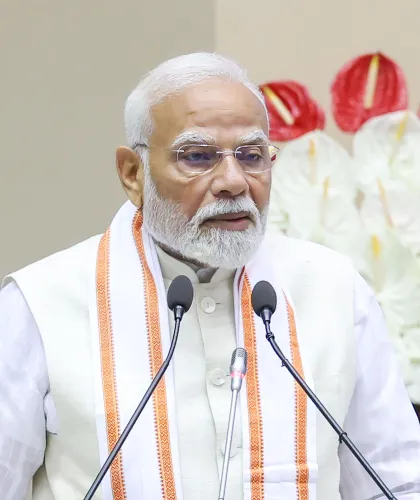
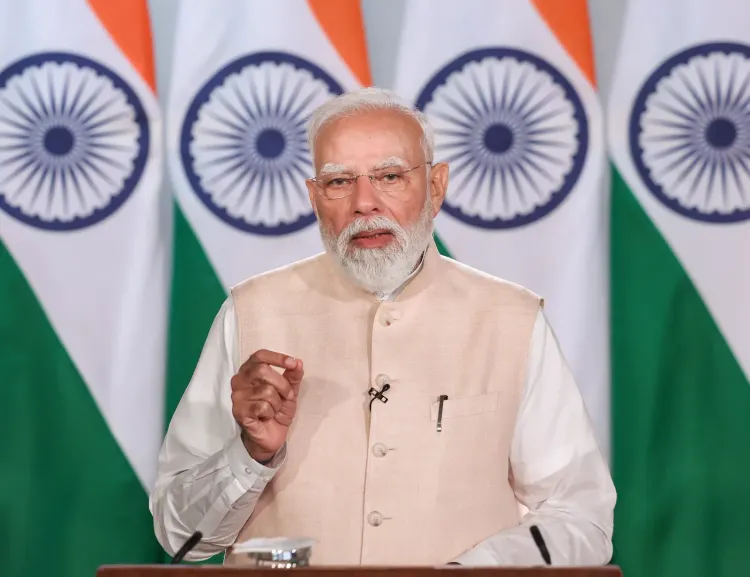
Prime Minister Narendra Modi on Friday, 26 June extended greetings on the occasion of Muharram, saying that the sacrifice of Hazrat Imam Hussain (AS) continues to inspire people across the world to remain steadfast in the pursuit of truth and justice. Modi shared the message on social media platform X, underscoring the enduring moral legacy of one of Islam's most solemn observances.
What PM Modi Said
In his post, Modi wrote: 'The sacrifice of Hazrat Imam Hussain (AS) continues to inspire many people to remain steadfast in the pursuit of truth and justice. It is also a reminder of the enduring power of courage and conviction.' The message was widely noted for its emphasis on universal values of courage and resistance against injustice.
Significance of Muharram
Muharram is the first month of the Islamic (Hijri) calendar and is considered one of the holiest periods in Islam. The word itself means 'forbidden', marking it as one of four sacred months in which warfare is traditionally prohibited. The month also marks the beginning of the Islamic New Year, with the calendar determined by the sighting of the new moon across 12 lunar months.
The most significant day within Muharram is Ashura, observed on the 10th of the month. It commemorates the martyrdom of Imam Hussain (AS) — grandson of Prophet Muhammad (SAW) — and his companions at the Battle of Karbala. The event has come to symbolise sacrifice, steadfastness, and resistance against oppression, and is remembered through religious gatherings, mourning processions, and prayer meetings across India and the world.
How Shia and Sunni Muslims Observe Muharram
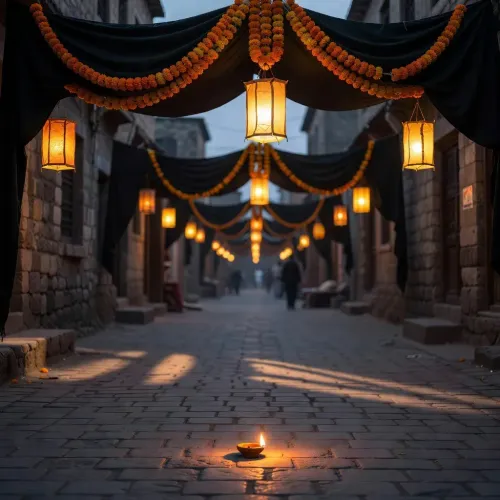
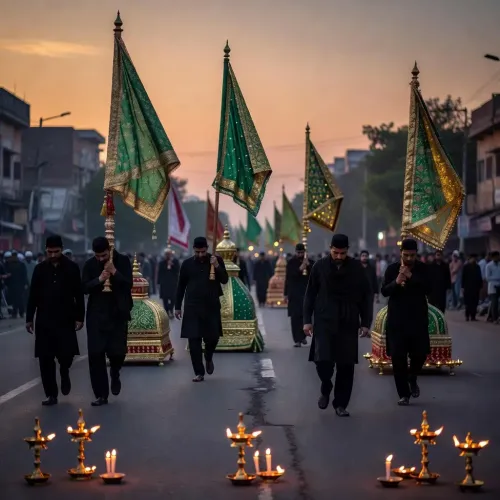
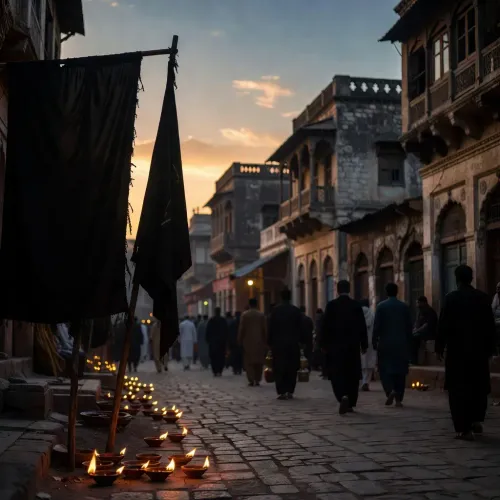
While both Shia and Sunni Muslims observe Muharram, their traditions differ. For Shia Muslims, the first 10 days are marked by mourning — many wear black, attend majlis (prayer gatherings), refrain from celebratory activities such as weddings and music, and participate in mourning processions on Ashura. In some communities, chest-beating is practised as an expression of grief and remembrance.
Sunni Muslims, on the other hand, often observe voluntary fasting on the 9th and 10th or the 10th and 11th of Muharram. Fasting on Ashura is regarded as a virtuous act, with significant spiritual reward believed to be associated with the practice.
Historical and Religious Context
Muharram holds layered significance in Islamic history — beyond the Battle of Karbala, several other events of importance to the faith are associated with this month. Muslims are broadly encouraged to engage in increased worship, prayer, and reflection during this period. The first day of Muharram, while not marked by prescribed rituals, is used by many as an occasion to reflect on the life and teachings of Prophet Muhammad (SAW) and the early Muslim community. Modi's acknowledgement of the occasion reflects a broader tradition of Indian political leaders marking significant religious events across faiths.
Point of View
It centres Imam Hussain's martyrdom as a moral archetype — courage, conviction, and resistance against injustice — values with obvious cross-community resonance. In a politically charged environment, such messaging serves both as interfaith outreach and a signal of the government's intent to claim a broad civilisational vocabulary. What is less examined is whether such acknowledgements translate into policy attention for the concerns of India's Muslim communities — a gap that critics have consistently flagged between symbolic gestures and substantive engagement.
NationPress
24 Sept 2026
Frequently Asked Questions
What did PM Modi say on Muharram 2025?
Prime Minister Narendra Modi posted on X on 26 June saying the sacrifice of Hazrat Imam Hussain (AS) 'continues to inspire many people to remain steadfast in the pursuit of truth and justice' and called it a reminder of 'the enduring power of courage and conviction.'
What is Muharram and why is it significant?
Muharram is the first month of the Islamic (Hijri) calendar and one of Islam's four sacred months, during which warfare is traditionally forbidden. It marks the Islamic New Year and is most closely associated with Ashura, the 10th day, which commemorates the martyrdom of Imam Hussain (AS) at the Battle of Karbala.
What is Ashura and what does it commemorate?
Ashura falls on the 10th of Muharram and commemorates the martyrdom of Imam Hussain (AS), grandson of Prophet Muhammad (SAW), and his companions at the Battle of Karbala. The event is regarded as a symbol of sacrifice, steadfastness, and resistance against injustice in Islamic tradition.
How do Shia and Sunni Muslims observe Muharram differently?
Shia Muslims observe the first 10 days of Muharram with mourning — wearing black, attending majlis, and participating in processions on Ashura. Sunni Muslims typically observe voluntary fasting on the 9th and 10th or 10th and 11th of Muharram, which is considered a virtuous act carrying spiritual reward.
What is the Battle of Karbala?
The Battle of Karbala took place in 680 CE and resulted in the martyrdom of Imam Hussain (AS), grandson of Prophet Muhammad (SAW), along with his companions. The battle is central to Islamic — particularly Shia — history and is commemorated annually during Ashura as a symbol of sacrifice and resistance against oppression.