CM Office: Pauri Women Earn Livelihood from Malta Peel Products
Synopsis
The Uttarakhand Chief Minister's Office has spotlighted a 'Waste to Wealth' initiative in Pauri Garhwal where rural women are converting malta citrus peels into herbal products, creating new livelihoods in a district long challenged by out-migration and limited local employment.
Key Takeaways
The Uttarakhand CMO announced on 7 July 2026 that women in Pauri Garhwal are earning new livelihoods under the 'Waste to Wealth' model.
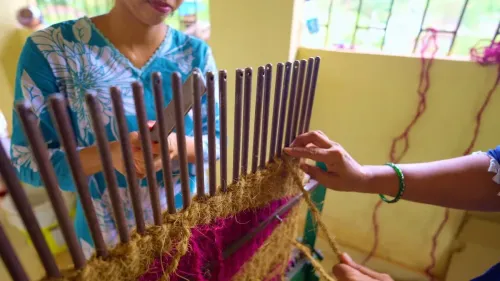
Malta citrus peels , previously discarded as agricultural waste, are being processed into herbal products by rural women.
The initiative aligns with the Uttarakhand State Rural Livelihood Mission (USRLM) , active since 2013 , which supports SHG-led value-added processing.
The model draws on circular-economy frameworks introduced under the Swachh Bharat Mission (2014) and adapted for hill district livelihoods.
Similar citrus-peel and pine-needle projects have been piloted across other Himalayan districts since the mid-2010s .
The Pauri Garhwal model may be expanded to other Uttarakhand districts and linked with state MSME and Himalayan studies frameworks.
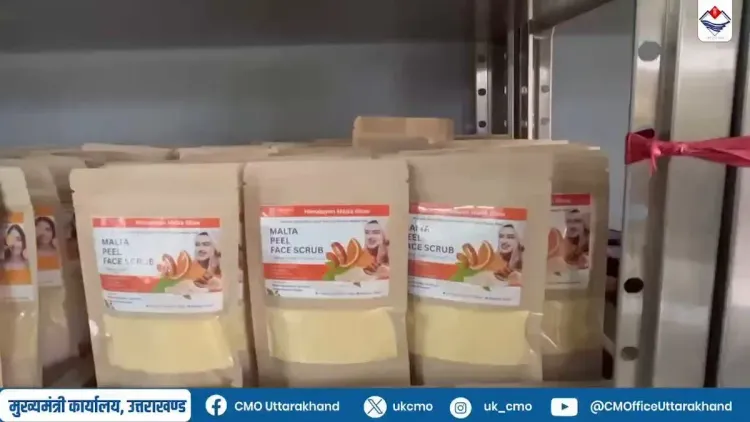
The Chief Minister's Office of Uttarakhand announced on Tuesday, 7 July 2026 that women in Pauri Garhwal district are generating new livelihoods under the 'Waste to Wealth' ('वेस्ट टू वेल्थ') model by converting malta citrus peels into herbal products.
Context
The CMO's post highlights how Pauri Garhwal, a hilly district in Uttarakhand with an economy historically dependent on subsistence agriculture and horticulture, is seeing women turn agricultural by-products into marketable goods. Malta, a locally grown citrus fruit abundant in the Garhwal hills, previously generated significant peel waste after harvest. Under the 'Waste to Wealth' model, these peels are now being processed into herbal products, creating a home-based enterprise stream for rural women.
The initiative reflects a broader circular-economy push in Uttarakhand's horticulture belts, where converting organic waste into value-added goods helps address two persistent challenges: agricultural waste disposal and out-migration driven by lack of local employment.
Policy Backdrop
The 'Waste to Wealth' concept draws from frameworks first formalised under the Swachh Bharat Mission (2014), which introduced structured waste segregation and valorisation at the national level. Uttarakhand subsequently adapted these frameworks to generate rural livelihoods, particularly for women in hill districts where formal employment is scarce.
The Uttarakhand State Rural Livelihood Mission (USRLM), operational since 2013, has been a key vehicle for scaling self-help group (SHG) models that link women to value-added processing of local produce. Similar citrus-peel and pine-needle processing projects have been piloted across other Himalayan districts since the mid-2010s under state environment and rural development schemes, establishing a policy lineage that the Pauri initiative builds upon.
Stakeholders and Impact
Rural women and SHG members in Pauri Garhwal are the primary beneficiaries, gaining access to home-based income without needing to migrate to urban centres. The model empowers them to utilise a locally available, previously discarded raw material — malta citrus peels — and convert it into herbal products with market value.
The broader horticulture sector in Pauri Garhwal also stands to benefit, as a processing ecosystem around local fruit crops can stabilise demand and reduce post-harvest losses. Consumers of herbal and natural products represent the demand side, as interest in Himalayan botanical ingredients has grown steadily in domestic and export markets.
What's Next
The Uttarakhand government's highlighting of this model signals potential for replication across other hill districts of the state. Policymakers and rural development officials will be watching whether the Pauri Garhwal experience can be integrated with broader frameworks such as state MSME policies or the National Mission on Himalayan Studies to provide institutional support, market linkages, and quality certification for herbal products emerging from such SHG-led enterprises.
If scaled effectively, the 'Waste to Wealth' approach could become a replicable template for addressing livelihood deficits across Uttarakhand's hilly terrain, where out-migration remains a pressing demographic concern.
Point of View
Locally rooted product — malta peel herbal goods — the CMO signals intent to move beyond generic welfare narratives toward visible economic outcomes. This fits a pattern seen across hill states where out-migration pressure forces administrations to demonstrate credible home-based income alternatives. The real test will be whether institutional support — market linkages, quality certification, and credit access — follows the publicity.
NationPress
8 Jul 2026
Frequently Asked Questions
What is the Waste to Wealth model in Uttarakhand?
The 'Waste to Wealth' model in Uttarakhand converts agricultural and organic by-products — such as malta citrus peels — into marketable herbal and value-added products, generating income for rural women through self-help groups.
What are malta peels and how are they used in Pauri Garhwal?
Malta is a citrus fruit grown widely in the Garhwal hills of Uttarakhand. In Pauri Garhwal, women are processing malta peels — previously discarded as waste — into herbal products as part of a state-backed livelihood initiative.
Which government scheme supports women's livelihoods in Pauri Garhwal?
The Uttarakhand State Rural Livelihood Mission (USRLM), operational since 2013, is a key scheme that links women's self-help groups to value-added processing of local produce, underpinning initiatives like the malta peel herbal products project.
How does the Waste to Wealth initiative help reduce out-migration in Uttarakhand?
By creating home-based enterprises from locally available raw materials, the model provides rural women in hill districts with income without requiring them to migrate to urban areas, directly addressing one of Uttarakhand's most persistent demographic challenges.
Will the Pauri Garhwal Waste to Wealth model expand to other districts?
The Uttarakhand government has indicated interest in replicating the model across other hill districts, with possible integration into state MSME policies and the National Mission on Himalayan Studies for broader institutional support.