CM Bhupendra Patel Joins 24th Shala Praveshotsav in Dahod
Synopsis
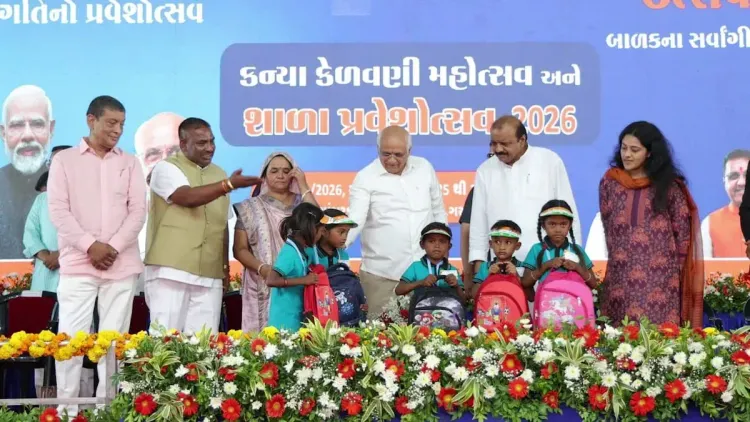
Gujarat Chief Minister Bhupendra Patel visited Gangarda Primary School in Dahod's Garbada taluka on 24 June 2026 for the 24th Shala Praveshotsav and Kanya Kelavani Mahotsav, distributing educational kits to new students and urging families to embrace technology, while highlighting the expansion of engineering and medical colleges in tribal regions.
Key Takeaways
CM Bhupendra Patel personally attended the 24th Shala Praveshotsav at Gangarda Primary School , Garbada taluka , Dahod on 24 June 2026 .
New enrollees received educational kits from the Chief Minister as part of the formal school-entry ceremony.
CM Patel held direct dialogue with parents and school staff on facilities and teaching quality.
He urged families to leverage new technology for global learning in the modern era.
The CM noted that district-level engineering and medical colleges are now opening in tribal areas that previously lacked even science-stream schools.
The Shala Praveshotsav and Kanya Kelavani Mahotsav have been held annually since 2003 to boost enrollment and reduce gender gaps in education.
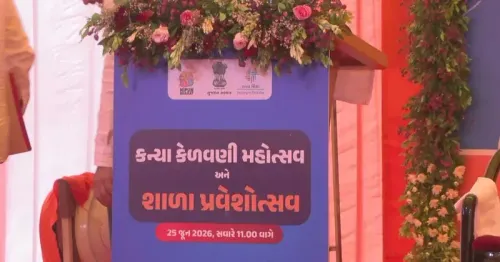
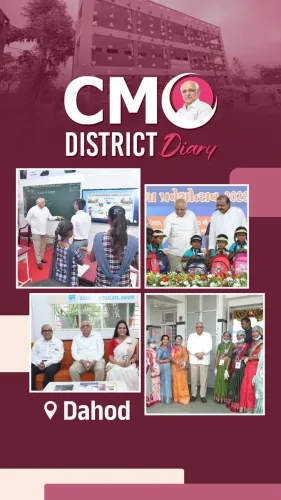
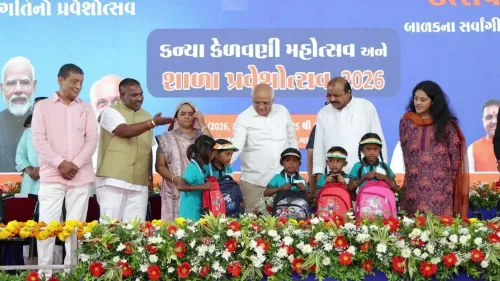
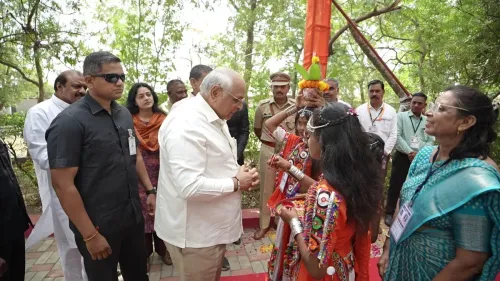
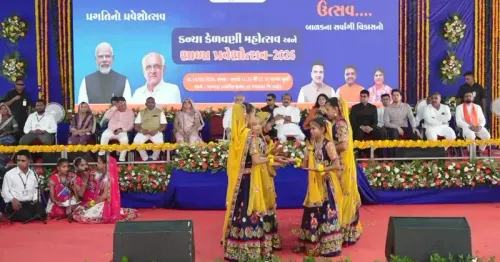
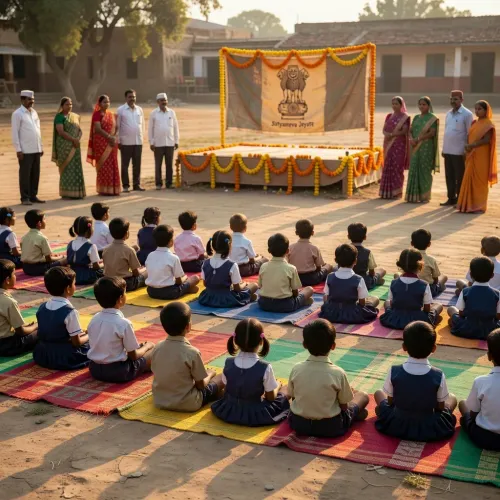
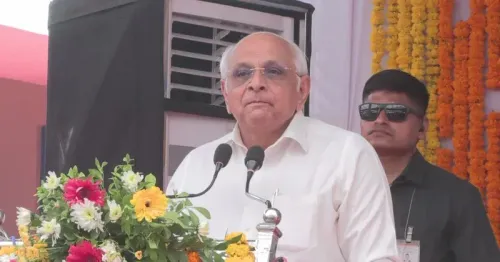
Gujarat Chief Minister Bhupendra Patel visited Gangarda Primary School in Garbada taluka, Dahod district, on Wednesday, 24 June 2026, to participate in the 24th Shala Praveshotsav and Kanya Kelavani Mahotsav, personally welcoming newly enrolled children and distributing educational kits to mark the start of the academic year.
Context
Posting in Gujarati, CM Patel wrote that the occasion gave him 'anero avsaar' — a rare and special opportunity — to spend time with young children in the festive atmosphere of the enrollment drive. He handed out educational kits to new entrants stepping into the school for the first time and watched students demonstrate activities, encouraging them to pursue innovative thinking.
He also held a dialogue with school staff and parents, gathering firsthand information about school facilities and the quality of teaching. The Chief Minister urged both parents and children to make productive use of new technology to access global knowledge in today's modern era.
Policy Backdrop
The Shala Praveshotsav and Kanya Kelavani Mahotsav were launched in 2003 by the Gujarat government to drive up primary school enrollment and close the gender gap in education, particularly in rural and tribal belts. Over two decades, the twin festivals have become a flagship annual exercise, with senior ministers and the Chief Minister personally visiting schools in underserved areas to signal political commitment.
Dahod, a tribal-majority district in eastern Gujarat bordering Madhya Pradesh with a significant Bhil population, has historically recorded lower literacy rates than the state average. The district has been a recurring focus of these enrollment drives precisely because of that gap.
CM Patel highlighted a structural shift: tribal areas of Gujarat, which once lacked even science-stream schools, are now seeing district-level engineering and medical colleges come up, giving young people from these regions access to professional education that was previously concentrated in urban centres.
Stakeholders and Impact
The immediate beneficiaries are children from tribal and remote families in Garbada taluka and the wider Dahod region, who received educational kits and a formal school welcome from the state's top executive. For parents, the Chief Minister's visit and direct conversation about school arrangements serves as both reassurance and accountability.
The broader stakeholder group includes primary school teachers and administrators, who were engaged in dialogue about school management, and tribal youth aspiring to engineering or medical careers — a cohort the state has been actively targeting through district-level higher-education expansion. The state government's stated goal is that children from the most remote families should be able to access quality education without hardship.
What's Next
Enrollment figures for the 2026 academic year, once compiled, will indicate whether the 24th edition of Shala Praveshotsav has sustained or improved on earlier gains. Announcements of new district-level medical or engineering college sanctions in tribal areas during this academic year will be a further indicator of whether the higher-education expansion referenced by CM Patel is accelerating. The emphasis on technology-enabled learning also signals that future editions of the festival may increasingly integrate digital tools alongside the traditional enrollment ceremonies.
Point of View
Patel is attempting to reframe the state's tribal education narrative — shifting it from basic access to professional aspiration, a politically significant pivot ahead of any assessment of the government's tribal outreach record. The dual emphasis on grassroots enrollment and higher-education infrastructure also reflects a broader national BJP theme of linking welfare delivery with economic mobility. Whether the on-ground expansion of colleges matches the rhetorical ambition will be tested by enrollment and outcome data over the coming academic cycle.
NationPress
23 Sept 2026
Frequently Asked Questions
What is Shala Praveshotsav in Gujarat?
Shala Praveshotsav is an annual school enrollment festival launched by the Gujarat government in 2003 to boost primary admissions, especially in rural and tribal areas. Senior officials, including the Chief Minister, visit schools to welcome new students and distribute educational materials.
What is Kanya Kelavani Mahotsav?
Kanya Kelavani Mahotsav is a statewide festival promoting girl-child education and enrollment in Gujarat, typically held alongside Shala Praveshotsav since the early 2000s to reduce gender gaps in school attendance.
Why did CM Bhupendra Patel visit Dahod for Shala Praveshotsav 2026?
CM Patel visited Gangarda Primary School in Dahod's Garbada taluka on 24 June 2026 to participate in the 24th edition of Shala Praveshotsav, distribute educational kits to new students, interact with parents and teachers, and highlight education improvements in Gujarat's tribal belt.
Are there engineering and medical colleges in Dahod or Gujarat's tribal areas?
CM Patel stated that district-level engineering and medical colleges are now being established in Gujarat's tribal areas, which previously lacked even science-stream schools. Specific college names and numbers have not been officially confirmed for 2026.
What educational kits are given during Shala Praveshotsav?
During Shala Praveshotsav, newly enrolled students receive educational kits provided by the state government. The kits typically include school supplies to support children entering primary school for the first time.