CM Bhupendra Patel Hands Appointment Letters to Revenue Talati Recruits
Synopsis
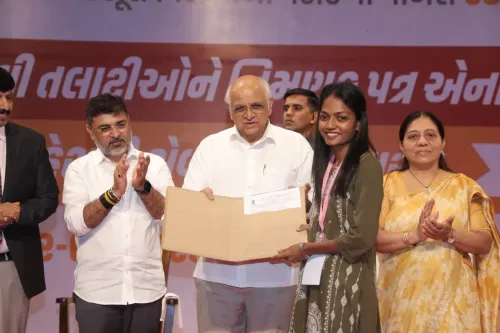
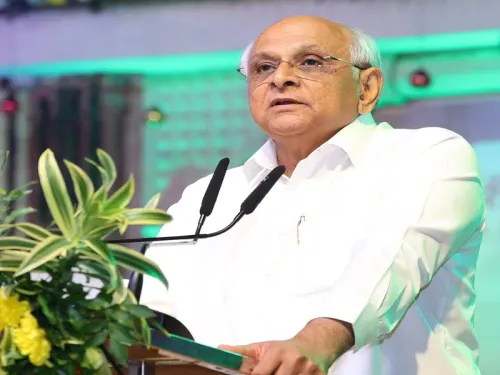
Gujarat Chief Minister Bhupendra Patel on 2 July 2026 handed appointment letters to newly selected Revenue Talati Class-3 officials and inaugurated new citizen-facing revenue services at Town Hall, Gandhinagar, continuing the state's push to fill vacancies and modernise land administration.
Key Takeaways
Gujarat CM Bhupendra Patel presided over the appointment-letter ceremony for Revenue Talati Class-3 recruits on 2 July 2026 .
The event was held at Town Hall, Gandhinagar , the state capital.
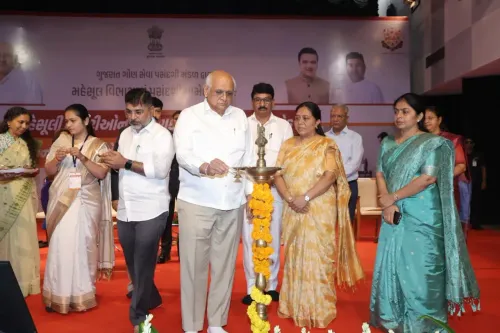
New citizen-facing revenue services were formally inaugurated at the same ceremony.
The Revenue Talati cadre handles land records, mutation entries and basic revenue functions at the village level.
Gujarat has run large-scale Class-3 recruitment drives since 2019 to address departmental vacancies.
Rollout of the new services across all districts and further recruitment notifications are the next milestones to watch.
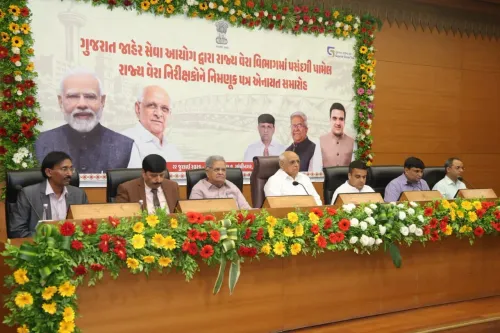
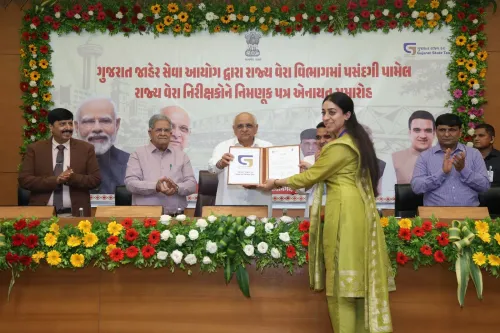
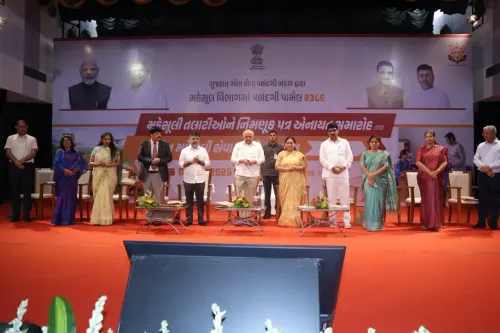
Gujarat Chief Minister Bhupendra Patel presided over a ceremony at Town Hall, Gandhinagar, on 2 July 2026, to hand appointment letters to newly selected candidates for the Revenue Talati Class-3 cadre and to formally launch new revenue services for citizens of the state.
Context
The Chief Minister announced his attendance at the event live on social media, posting in Gujarati: 'મહેસુલી તલાટી વર્ગ-૩ સંવર્ગના નવનિયુક્ત ઉમેદવારોને નિમણૂંક પત્ર એનાયત તથા નવીન મહેસૂલી સેવાઓના શુભારંભ સમારોહ' ('Ceremony for conferring appointment letters on newly appointed Revenue Talati Class-3 cadre candidates and inauguration of new revenue services'). The venue was Town Hall, Gandhinagar, the state capital's principal venue for official government functions.
The Revenue Talati is an entry-level post within the Gujarat Revenue Department, responsible for maintaining land records, processing mutation entries, and delivering basic revenue services at the village level. These officials are often the first point of contact for rural residents dealing with land and property matters.
Policy Backdrop
The Gujarat government has conducted several large-scale Class-3 recruitment drives since 2019 to fill long-pending vacancies across revenue and other state departments. The current administration under Bhupendra Patel, who took office in September 2021, has continued and expanded these drives as part of a broader push for administrative modernisation.
Alongside recruitment, the state has progressively rolled out digitisation of land records and revenue services in phases from 2021 onward. The inauguration of 'new revenue services' at the ceremony signals a further extension of this digital and service-delivery agenda to village-level administration across Gujarat.
Stakeholders and Impact
The most immediate beneficiaries are the newly appointed Revenue Talati recruits, who receive formal confirmation of government employment through the appointment letters. For rural communities, the deployment of these officials is expected to improve access to land-record services and reduce delays in mutation and revenue processes at the grassroots level.
The Gujarat Revenue Department stands to strengthen its ground-level presence through this intake. Filling vacancies in the talati cadre is considered critical to the state's ability to implement land-administration reforms and deliver citizen-facing services efficiently in villages and small towns.
What's Next
Attention will now turn to the rollout timelines for the newly launched revenue services across Gujarat's districts and whether the state issues follow-up recruitment notifications to fill any remaining vacancies in the cadre. The pace of deployment of the new appointees to their respective postings will be a key indicator of how quickly the administrative gaps are addressed at the ground level.
Point of View
Particularly ahead of electoral cycles in Gujarat. Filling Revenue Talati vacancies carries political weight because village-level revenue officials are central to how ordinary citizens — especially farmers and landowners — experience the state. The simultaneous launch of new revenue services suggests the government is attempting to couple personnel expansion with digital modernisation, a pairing that has become a signature of BJP-governed states seeking to project administrative efficiency. Whether the new appointees are deployed swiftly and the digital services reach remote talukas will determine whether this ceremony translates into measurable change on the ground.
NationPress
1 Oct 2026
Frequently Asked Questions
What is a Revenue Talati in Gujarat?
A Revenue Talati is an entry-level government official in the Gujarat Revenue Department responsible for maintaining land records, processing property mutation entries and providing basic revenue services at the village level. They are the primary point of contact for rural residents on land and property matters.
What happened at the Gandhinagar Town Hall ceremony on 2 July 2026?
Gujarat Chief Minister Bhupendra Patel attended a ceremony at Town Hall, Gandhinagar, where appointment letters were distributed to newly selected Revenue Talati Class-3 candidates and new revenue services were officially launched.
Why is the Revenue Talati recruitment significant for Gujarat?
Filling Revenue Talati vacancies is significant because these officials handle land records and revenue services at the grassroots level. Long-pending vacancies have historically delayed services for farmers and landowners, so fresh recruitment directly improves rural governance delivery.
Has Gujarat done such recruitment drives before?
Yes, the Gujarat government has conducted multiple large-scale Class-3 recruitment drives since 2019 to address vacancies across revenue and other departments, with the current administration continuing this effort since September 2021.
What new revenue services were launched at the ceremony?
The ceremony included the formal inauguration of new citizen-facing revenue services as part of Gujarat's ongoing push to digitise land records and modernise revenue administration, though specific operational details of the 2026 services were not disclosed in the available information.