CM Bhupendra Patel calls Talatis Gujarat's first responders
Synopsis
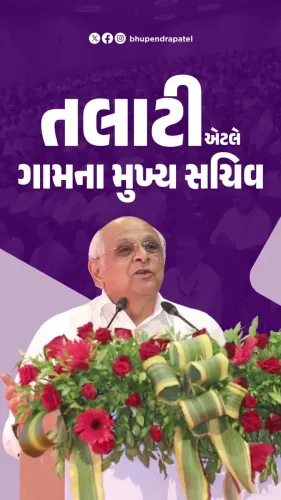
Gujarat Chief Minister Bhupendra Patel on 2 July 2026 called village revenue officials — Talatis — the government's true first responders, urging a new cohort to prioritise the poor, elderly, and farmers by embodying PM Modi's Antyodaya principle of welfare for the last person.
Key Takeaways
CM Bhupendra Patel described Talatis as the government's 'first responders' and its face in the remotest villages of Gujarat .
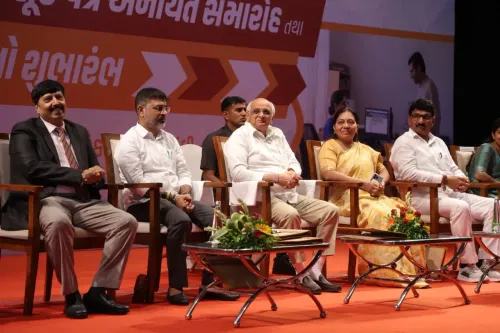
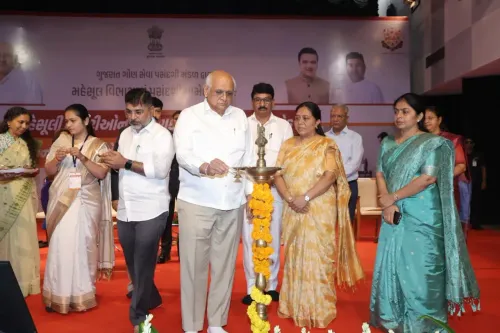
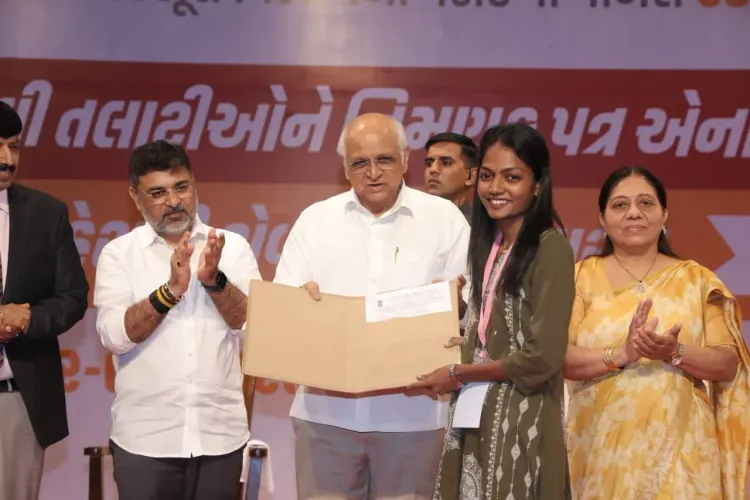
He addressed a fresh cohort of young Talatis beginning their careers in state government service on 2 July 2026 .
Patel invoked PM Narendra Modi 's Antyodaya principle — placing the welfare of the last and poorest person at the centre of governance.
Officials were called on to maintain sensitivity and a positive approach while helping the poor, the elderly, and the needy within the bounds of the law.
The Talati role covers land records, welfare scheme disbursements, and local grievances, making it the primary state-citizen interface in rural Gujarat .
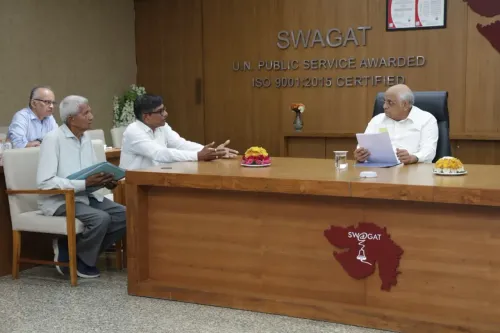
Gujarat Chief Minister Bhupendra Patel on Thursday, 2 July 2026, addressed newly appointed village revenue officials — known as Talatis — urging them to serve as true guides for farmers and rural citizens, and to keep the welfare of the last person at the centre of their administration.
Posting in Gujarati on X, CM Patel described Talatis as 'ખરા અર્થમાં સરકારના ફર્સ્ટ રિસ્પોન્ડર' — 'the government's first responders in the true sense' — and stated that for an ordinary citizen or farmer in the remotest village, the Talati is the face of the government.
Context
The Chief Minister's message appears directed at a fresh cohort of young Talatis beginning their careers in government service. Patel called on them to internalise Prime Minister Narendra Modi's governing principle of placing the welfare of the person at the margins — the Antyodaya ideal — at the heart of all administrative action.
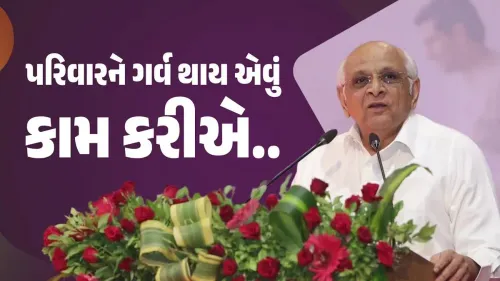
'When all these young people are beginning this new journey in government service, it is essential that they become true guides for villagers and farmers,' Patel wrote, calling on each appointee to remain sensitive, positive, and helpful to the poor, the elderly, and the needy, within the bounds of the law.
Policy Backdrop
The Talati, a village-level revenue official unique to Gujarat's administrative structure, handles land records, certificates, welfare scheme disbursements, and local grievances. The role places these officials as the primary — and often the only — point of contact between the state and millions of rural residents.
Since 2014, the central government under PM Modi has made last-mile delivery and Antyodaya-oriented governance a national administrative priority. Gujarat, under successive BJP governments since 1995, has reinforced this model by positioning village-level functionaries as the frontline of citizen-centric service delivery.
Stakeholders and Impact
The directive carries practical weight for Gujarat's rural population — farmers seeking land records, elderly citizens applying for pensions, and poor families accessing welfare schemes all depend on the Talati as their first institutional contact. A sensitised, responsive cadre of Talatis can meaningfully accelerate last-mile delivery of state and central government programmes.
CM Patel specifically named the poor, the elderly, and the needy as the constituencies these officials must prioritise, framing sensitivity and a positive approach not as optional virtues but as core administrative responsibilities.
What's Next
The address signals that Gujarat's revenue department may accompany new Talati appointments with structured orientation on citizen-centric administration. Observers will watch for announcements on training modules, integration with digital land and welfare portals, and performance frameworks aligned with the last-mile delivery mandate outlined by the Chief Minister.
As Gujarat continues to position itself as a model of decentralised governance, the emphasis on Talatis as first responders suggests a broader push to make village-level administration more accountable and proactive ahead of future rural welfare rollouts.
Point of View
Reinforcing that village-level officials are not merely bureaucrats but political symbols of the party's last-mile commitment. By invoking PM Modi's governing philosophy directly, Patel signals continuity between Gandhinagar and New Delhi on rural welfare priorities. The framing of Talatis as 'first responders' — a term borrowed from emergency services — elevates the role rhetorically, which may also serve as a soft accountability mechanism, setting a public benchmark against which these officials' conduct can be measured. Gujarat's long record of using village-level functionaries as welfare delivery anchors gives this message operational grounding beyond political optics.
NationPress
1 Oct 2026
Frequently Asked Questions
Who is a Talati in Gujarat?
A Talati is a village-level revenue official in Gujarat responsible for maintaining land records, issuing certificates, facilitating welfare scheme disbursements, and addressing local grievances. The Talati is typically the first — and often only — government representative that rural citizens and farmers interact with directly.
What did Gujarat CM Bhupendra Patel say about Talatis?
CM Bhupendra Patel called Talatis the government's true first responders and said that for ordinary citizens and farmers in remote villages, the Talati is the face of the government. He urged newly appointed Talatis to be sensitive, positive, and maximally helpful to the poor, elderly, and needy, within the law.
What is the Antyodaya principle CM Patel referred to?
Antyodaya is a governance philosophy meaning 'welfare of the last person,' emphasising that government programmes and officials must prioritise the poorest and most marginalised citizens. PM Narendra Modi has made it a central theme of his administration since 2014, and CM Patel invoked it as the guiding mandate for Gujarat's Talatis.
Why are Talatis important for rural Gujarat?
Talatis are the primary point of contact between the state and millions of rural residents in Gujarat. Farmers rely on them for land records, elderly citizens for pension applications, and poor families for access to welfare schemes, making the cadre critical to last-mile delivery of government services.
What can we expect next from Gujarat's revenue department after CM Patel's address?
Following CM Patel's address, observers expect the Gujarat revenue department to announce structured training modules for new Talatis focused on citizen-centric administration, along with possible integration with digital land and welfare portals to strengthen accountable, last-mile service delivery in rural areas.