CM Bhupendra Patel Pays Tribute to Amul Founder Tribhuvandas Patel
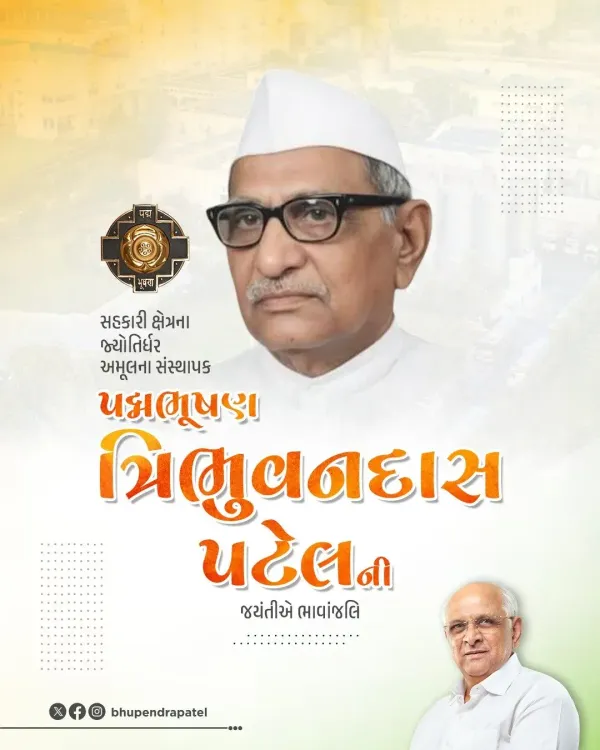
Synopsis
Gujarat CM Bhupendra Patel paid tribute to Padma Bhushan Tribhuvandas Patel on his birth anniversary, honouring the 1946 founding of the Kheda cooperative dairy union that grew into Amul and now sustains over 36 lakh farmers, while pledging to advance the 'Sahakar se Samriddhi' cooperative vision.
Key Takeaways
Gujarat CM Bhupendra Patel paid tribute to Padma Bhushan Tribhuvandas Patel on his birth anniversary on 22 October 2026 .
Tribhuvandas Patel founded the Kaira District Co-operative Milk Producers' Union in 1946 under Sardar Vallabhbhai Patel's guidance, which grew into the Amul brand.
The cooperative network today supports more than 36 lakh livestock farmers and lakhs of women members across Gujarat.
Operation Flood (1970) scaled the Amul model nationally, making it a template for farmer-owned enterprise across India.
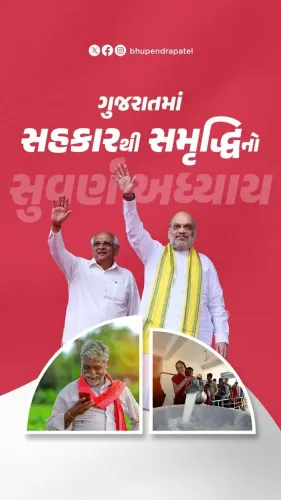
CM Patel linked the legacy to PM Modi and Amit Shah's 'Sahakar se Samriddhi' national cooperative vision.
Gujarat reaffirmed its commitment to advancing the cooperative dairy model rooted in honesty, mutual trust, and service.
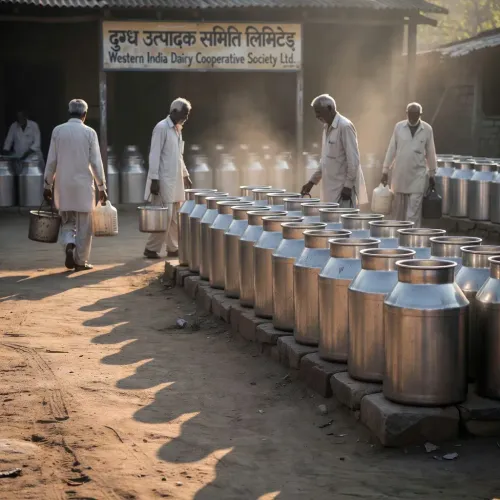
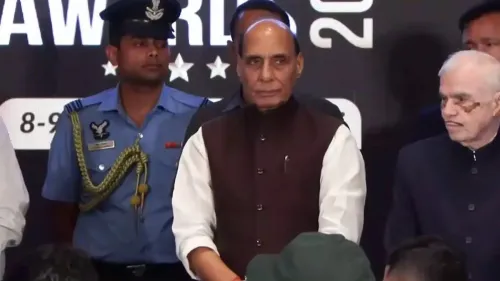
A single cooperative seed planted in Kheda district in 1946 grew into one of the world's most recognisable dairy brands — and on Thursday, 22 October 2026, Gujarat Chief Minister Bhupendra Patel paused to honour the man who sowed it. On the birth anniversary of Padma Bhushan Tribhuvandas Patel, the CM offered a heartfelt tribute to the architect of India's cooperative dairy revolution.
Posting in Gujarati, CM Bhupendra Patel wrote: 'The seed he planted — the Kheda District Cooperative Milk Producers' Union — under the guidance of Sardar Saheb, has today grown into a banyan tree called Amul, becoming the foundation of prosperity for more than 36 lakh livestock farmers and lakhs of women.' He described Tribhuvandas Patel's ideology — built on honesty, mutual trust, and a spirit of service — as a living symbol of self-reliance (atmanirbharta) in every village of Gujarat.The 1946 Moment That Changed Indian Dairy
When Tribhuvandas Patel registered the Kaira District Co-operative Milk Producers' Union in 1946, he was working from a deceptively simple premise: that farmers who owned the supply chain would never have to beg a middleman for a fair price. Sardar Vallabhbhai Patel, then at the peak of his political influence, provided the ideological backing that gave the fledgling union legitimacy and direction.
That union became the institutional DNA of Amul — the brand that eventually anchored the Gujarat Cooperative Milk Marketing Federation (GCMMF) and grew into the world's largest dairy cooperative network. Operation Flood, launched in 1970 by the National Dairy Development Board, scaled the Amul model across India, turning a Gujarat district experiment into a national template for farmer-owned enterprise.
'Sahakar se Samriddhi' — Connecting a Legacy to a National Vision
CM Bhupendra Patel directly linked Tribhuvandas Patel's legacy to the current central government's cooperative agenda. He invoked Prime Minister Narendra Modi and Union Minister of Cooperation Amit Shah and their vision of 'Sahakar se Samriddhi' — 'Prosperity through Cooperation' — declaring that Gujarat remains fully committed to carrying this noble inheritance forward.
The Ministry of Cooperation, created under Amit Shah's stewardship, has institutionalised this focus at the Union level, treating cooperatives not as a legacy sector but as an active vehicle for rural economic participation. For Gujarat — the state that gave India the cooperative dairy model — this is both a point of pride and a continuing responsibility.
What Tribhuvandas Patel's Model Still Means for Rural Gujarat
The CM's tribute is more than ceremonial. Over 36 lakh livestock farmers and lakhs of women members currently draw livelihoods from the cooperative dairy network whose architecture Tribhuvandas Patel designed eight decades ago. The model's replicability — one district union, farmer-owned, profit-redistributed — is precisely what policymakers now cite when expanding multi-sector cooperatives.
Tribhuvandas Patel's founding conviction was that honesty, mutual trust, and service were not soft values but structural features of a viable enterprise. That conviction, the CM noted, continues to define Gujarat's cooperative identity — village by village, farmer by farmer.
Eight decades on, the seed is a forest. The only question is how far its canopy can still spread.
Point of View
CM Bhupendra Patel is doing something politically deliberate: stitching Gujarat's 80-year cooperative legacy directly onto the BJP's current 'Sahakar se Samriddhi' platform, framing the state as both the origin point and the continuing custodian of India's cooperative economy. The tribute also signals Gujarat's intent to remain central to the Ministry of Cooperation's national agenda as new multi-sector cooperative schemes roll out. Historically, honouring cooperative pioneers on birth anniversaries has served as a soft-power signal to the state's vast farmer and women's cooperative constituency — a reminder that the ruling dispensation claims this legacy as its own.
NationPress
22 Oct 2026
Frequently Asked Questions
Who was Tribhuvandas Patel and what is he known for?
Tribhuvandas Patel was a Padma Bhushan recipient and the founder of the Kaira District Co-operative Milk Producers' Union in 1946 , the institution that eventually became the Amul cooperative dairy brand. Working under Sardar Vallabhbhai Patel's guidance, he pioneered the farmer-owned cooperative model that transformed rural dairy livelihoods in Gujarat and later served as a national template.
How is Amul connected to Tribhuvandas Patel?
Amul traces its origins directly to the cooperative union Tribhuvandas Patel founded in Kheda (Kaira) district in 1946 . That union formed the basis of the Gujarat Cooperative Milk Marketing Federation (GCMMF) , which markets the Amul brand and has grown into the world's largest dairy cooperative network.
What is 'Sahakar se Samriddhi' and who launched it?
'Sahakar se Samriddhi' — meaning 'Prosperity through Cooperation' — is a policy vision championed by Prime Minister Narendra Modi and operationalised by Union Minister Amit Shah through the dedicated Ministry of Cooperation . It aims to expand cooperative institutions as vehicles for rural economic participation across India.
How many farmers does the Amul cooperative network support?
According to Gujarat CM Bhupendra Patel's tribute post, the Amul cooperative network today supports more than 36 lakh (3.6 million) livestock farmers and lakhs of women members across Gujarat.
What was Operation Flood and how did it expand the Amul model?
Operation Flood , launched in 1970 by the National Dairy Development Board , used the Amul cooperative structure as a blueprint to replicate farmer-owned dairy cooperatives across India, transforming the country from a milk-deficit nation into one of the world's largest dairy producers.