CM Bhupendra Patel reviews Gujarat budget work in key depts
Synopsis
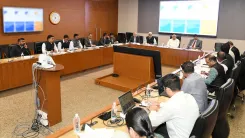
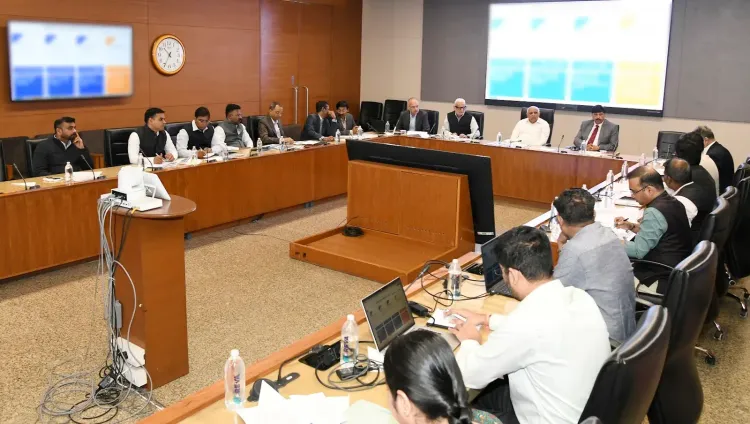
Gujarat Chief Minister Bhupendra Patel on 25 November 2026 began a series of budget-performance reviews, examining Education, Health, Home and General Administration against planned targets with the Finance Department and directing people-centric delivery.
Key Takeaways
Gujarat Chief Minister Bhupendra Patel on 25 November 2026 started a series of departmental budget-review meetings.
Senior officials of Education, Health, Home and General Administration sat with the Finance Department.
The review covered work, progress and achievements against the current year's planned budget targets.
Patel said such reviews will be held at regular intervals across departments.
He issued guidance for effective, people-centric delivery by government departments.
Gujarat Chief Minister Bhupendra Patel opened a fresh budget audit of Education, Health, Home and General Administration on Wednesday, 25 November 2026, measuring their work against this year's planned targets. Senior officers sat with the Finance Department as he examined progress and achievements. His instruction was unambiguous: deliver effectively, and keep it people-centric.
Writing in Gujarati on X, Patel said the state government had started a series of meetings with various departments and officials 'so that the work done by various departments under the current year's budget is reviewed at regular intervals.' Sequential meetings were held today, he wrote, with senior officials of the Education, Health, Home and General Administration departments as well as the Finance Department, and a meticulous review followed of their work, progress and achievements against planned budget targets. He said necessary guidance was given so that government departments carry out effective work in a jankendri (people-centric) manner.
Education, Health, Home and GAD face the scorecard
These four departments sit at the core of everyday state capacity. Education and Health shape human-development outcomes. Home holds law and order. General Administration coordinates the machinery around them. Lining all four up with Finance in one cycle treats the budget as a live delivery dashboard, not a year-end formality.
Indian state governments routinely run departmental reviews to track budget progress and scheme implementation. In Gujarat, the Chief Minister's office has periodically called in key departments for performance assessment since Patel assumed office in 2021. Wednesday's huddles were framed as the start of a continuing series, not a one-off.
Finance in the room, targets on the table
Finance is the custodian of the state budget, expenditure and financial planning. Putting it in the same room as line departments is meant to test whether allocations are becoming on-ground work — and whether planned targets are being met, delayed or missed. Patel did not publish utilisation rates or fresh numerical targets in the post.
What he stressed is the method: regular-interval reviews, department by department, with guidance aimed at effective, citizen-facing execution. Other departments are expected to enter the same sequence as the financial year moves toward its close. The next departmental round will show whether this is a ritual — or a ratchet.
Point of View
Health, Home and General Administration — and keeping Finance in every room — Patel is signalling that Gujarat's leadership will track utilisation and outcomes, not only scheme launches. That sits in a longer pattern of CM-level performance huddles in the state since he took office in 2021. The political test is simple: whether the remaining departments get the same heat, and whether year-end numbers show tighter conversion of budget into results.
NationPress
25 Nov 2026
Frequently Asked Questions
Which departments did Gujarat CM Bhupendra Patel review on 25 November 2026?
He held sequential meetings with senior officials of the Education, Health, Home and General Administration departments, along with the Finance Department. The review measured work, progress and achievements against planned budget targets for the current year.
What did Bhupendra Patel say about Gujarat's budget review process?
He said the state government has started a series of meetings so that work under the current year's budget is reviewed at regular intervals. He also said necessary guidance was given for effective, people-centric functioning of departments.
Why was the Gujarat Finance Department part of the CM's review?
The Finance Department handles the state budget, expenditure and financial planning. Placing it in the same meetings as line departments lets the Chief Minister check progress against planned targets rather than reviewing programmes in isolation.
Is this a one-time meeting or a continuing process?
Patel described it as the start of a series, with the approach that departmental work under the current budget will be reviewed at regular intervals. Other departments are expected to be called in on the same pattern.
Who is Bhupendra Patel?
Bhupendra Patel is the Chief Minister of Gujarat and a BJP leader. He assumed office in 2021.