CM Bhupendra Patel Reviews Flood Relief in Bopal-Ghuma, Ahmedabad
Synopsis
Gujarat Chief Minister Bhupendra Patel conducted an on-ground inspection of flood-hit Bopal-Ghuma in Ahmedabad on 24 July 2026, reviewing AMC drainage and rescue operations after heavy overnight rainfall caused widespread waterlogging. He directed officials to immediately scale up manpower, equipment, and relief arrangements.
Key Takeaways
CM Bhupendra Patel personally visited Bopal-Ghuma , Ahmedabad on 24 July 2026 to review monsoon flood conditions.
Heavy rainfall since the previous day caused significant waterlogging across the Bopal-Ghuma area.
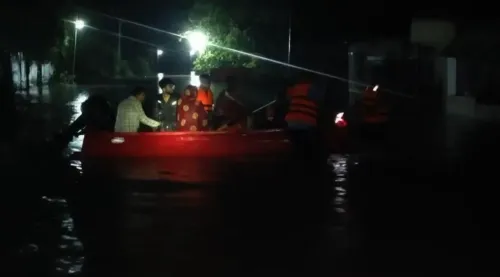
The Ahmedabad Municipal Corporation deployed drainage and rescue teams on a war-footing basis.
The Chief Minister interacted directly with affected residents to assess their situation on the ground.
Officials received instructions to immediately provide additional manpower, equipment, and logistical support for relief operations.
The intervention underscores the state government's emphasis on rapid municipal response to urban flooding during the monsoon season.
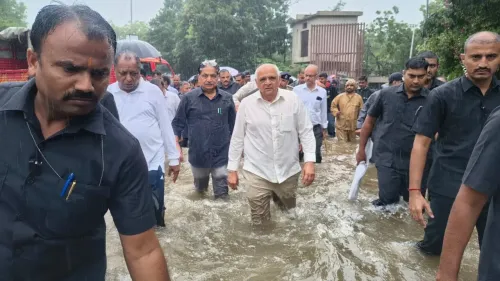
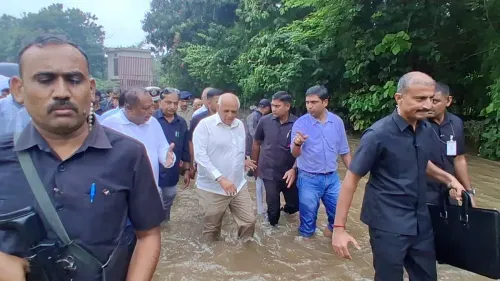
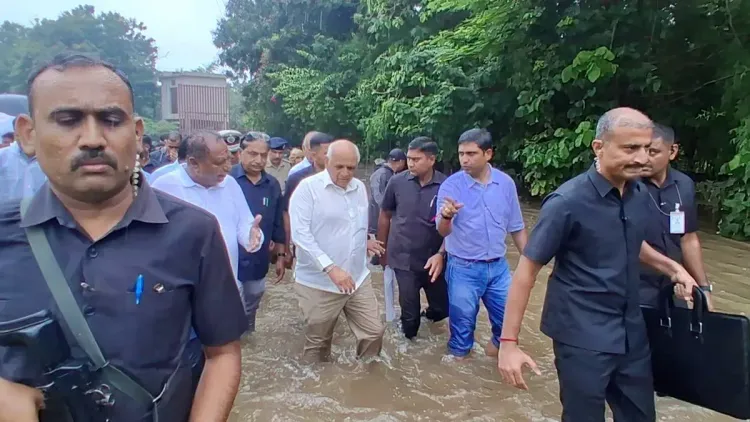
Gujarat Chief Minister Bhupendra Patel on Friday, 24 July 2026, personally visited the Bopal-Ghuma area of Ahmedabad to review waterlogging conditions caused by heavy monsoon rainfall that began the previous day. He assessed ongoing drainage, relief, and rescue operations being conducted by the Ahmedabad Municipal Corporation (AMC) on a war footing, and spoke directly with affected residents to understand their situation.
Context
Posting in Gujarati, CM Patel stated that due to extremely heavy rainfall in the Bopal-Ghuma locality since the previous day, waterlogging had developed across the area. He wrote that the AMC had undertaken rapid water-drainage work 'yuddh na dhorane' [on a war footing] to address the situation. The Chief Minister conducted an on-ground inspection, reviewing relief and rescue efforts and interacting with local citizens to assess their condition firsthand.
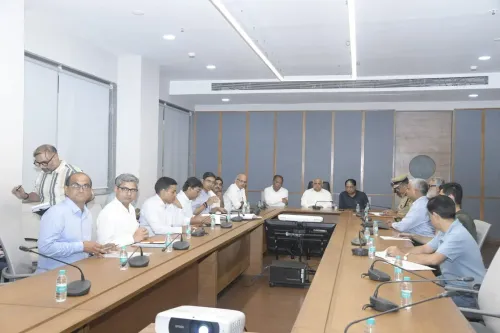
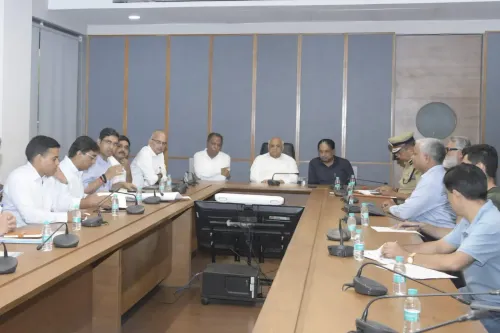
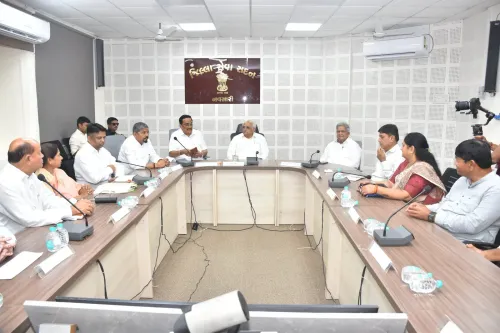
He further noted that he had directed officials to expedite relief and rescue operations and to immediately make available the necessary manpower, equipment, and arrangements.
Policy Backdrop
Urban waterlogging during the monsoon season is a recurring challenge across Indian cities, and Ahmedabad's western localities — including Bopal-Ghuma — have historically been vulnerable to inundation during periods of intense rainfall. The National Disaster Management Act, 2005 provides the legislative framework for coordinated state and municipal response to such events.
The Ahmedabad Municipal Corporation is the primary civic body responsible for stormwater drainage infrastructure and emergency relief operations within the city. State governments in India routinely direct municipal corporations to mobilise resources rapidly when monsoon flooding affects urban populations, a practice that has gained renewed emphasis amid increasing rainfall variability in recent years.
Stakeholders and Impact
Residents of Bopal-Ghuma — a densely populated western Ahmedabad locality — are the most immediately affected. Waterlogging disrupts daily movement, damages property, and can pose public health risks if standing water persists.
The AMC's deployment of personnel and machinery on an emergency basis reflects the scale of the situation. CM Patel's direct engagement with residents during the site visit signals the state government's intent to ensure accountability in the municipal response.
What's Next
Officials have been instructed to accelerate relief and rescue operations and ensure immediate availability of manpower, equipment, and logistical support. The broader monsoon season in Gujarat typically extends through September, meaning stormwater drainage capacity and inter-agency coordination will remain under scrutiny.
Progress on Ahmedabad's long-term stormwater drainage upgrades, as well as any state-level monsoon review meetings scheduled for later in the season, will be key indicators of how the administration translates this on-ground intervention into sustained preparedness.
Point of View
The CM is reinforcing a model of hands-on administrative oversight that Gujarat's ruling establishment has consistently projected as a hallmark of its governance style. The intervention also reflects a broader national pattern in which state leaders respond to monsoon crises with on-ground optics, partly to preempt criticism of urban infrastructure gaps. Whether the visit translates into accelerated long-term drainage upgrades in Bopal-Ghuma will be the real test of its policy impact.
NationPress
23 Oct 2026
Frequently Asked Questions
Why did CM Bhupendra Patel visit Bopal-Ghuma in Ahmedabad?
CM Bhupendra Patel visited the Bopal-Ghuma area of Ahmedabad on 24 July 2026 to personally review waterlogging conditions caused by heavy monsoon rainfall and to assess the Ahmedabad Municipal Corporation's ongoing drainage, relief, and rescue operations.
Which area of Ahmedabad was flooded in July 2026?
The Bopal-Ghuma locality in western Ahmedabad experienced significant waterlogging due to extremely heavy rainfall that began on 23 July 2026.
What action did the Ahmedabad Municipal Corporation take during the flooding?
The Ahmedabad Municipal Corporation deployed teams on a war-footing basis to carry out rapid water drainage, relief, and rescue operations in the affected Bopal-Ghuma area.
What instructions did CM Patel give to officials during his flood inspection?
CM Patel directed officials to expedite relief and rescue operations and to immediately make available the necessary manpower, equipment, and logistical arrangements.
Is Bopal-Ghuma prone to flooding during monsoon?
Yes, Bopal-Ghuma is a western Ahmedabad locality that has historically been vulnerable to waterlogging during periods of intense monsoon rainfall.