AMC prepares storm water master plan for Bopal, Ambli after Amit Shah push

Synopsis
After 18 inches of rain left Bopal and Ghuma waterlogged for days, Amit Shah personally wrote to Gujarat's CM, Mayor, and Municipal Commissioner demanding a permanent fix. The AMC has now responded with a zone-wise hydrological study and a Storm Water Drainage Master Plan — the first structured drainage blueprint for areas absorbed into Ahmedabad only in 2021.
Key Takeaways
The AMC has prepared a zone-wise Storm Water Drainage Master Plan for Ambli, Bopal, Ghuma , and Shela .
Amit Shah triggered the action by writing to CM Bhupendra Patel , Mayor Hitesh Barot , and Municipal Commissioner Banchhanidhi Pani after 18 inches of rain caused severe waterlogging.
The four localities were merged into the AMC only in 2021 and lacked adequate stormwater infrastructure at the time.
The plan proposes new drainage networks, outfall arrangements, and long-term linkages with the Gota–Godhavi Canal and Sabarmati River .
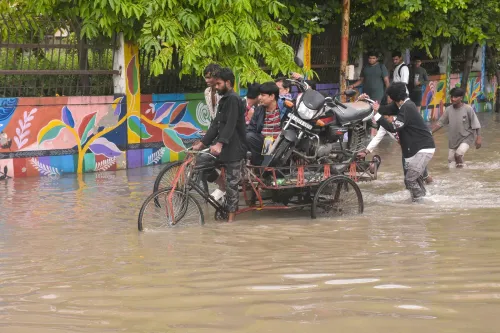
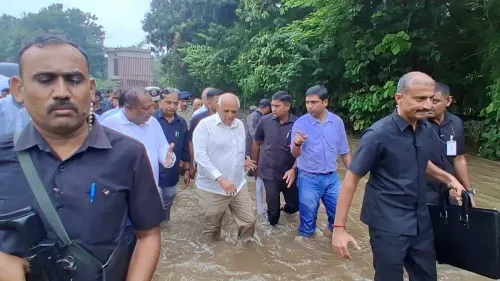
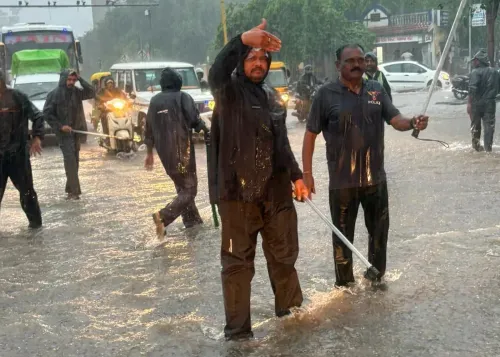
Water reportedly stood in parts of Bopal for several days during the recent rainfall spell, highlighting the urgency.
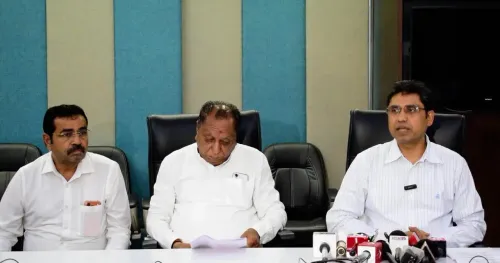
The Ahmedabad Municipal Corporation (AMC) has prepared a zone-wise Storm Water Drainage Master Plan covering Ambli, Bopal, Ghuma, and Shela following severe waterlogging triggered by heavy rainfall in the area. The move comes after Union Home and Cooperation Minister Amit Shah, who also represents Gandhinagar as a Lok Sabha MP, intervened and called for a permanent, planned drainage solution.
What Prompted the Action
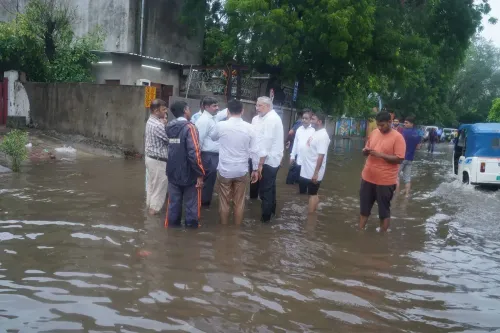
Ahmedabad received approximately 18 inches of rain in a recent spell, leaving parts of Bopal and Ghuma waterlogged for several days. Shah took note of the situation and wrote to Gujarat Chief Minister Bhupendra Patel, Mayor Hitesh Barot, and Municipal Commissioner Banchhanidhi Pani, urging permanent infrastructure measures rather than stopgap responses.
What the Master Plan Proposes
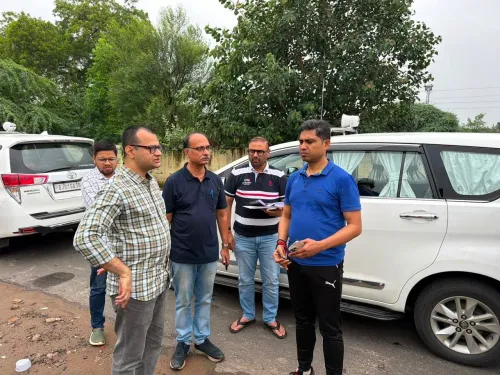
Following a hydrological study of the entire zone, the AMC has drawn up a comprehensive drainage blueprint. The plan proposes new storm water drainage networks in localities that currently lack such infrastructure. It also identifies existing waterlogging hotspots and outlines storm water lines, interconnections, and outfall arrangements to accelerate rainwater disposal.
For longer-term relief, the civic body is evaluating disposal linkages with the Gota–Godhavi Canal and the Sabarmati River, factoring in the rapid urbanisation of Ahmedabad's western outskirts.
Why These Areas Are Vulnerable
Ambli, Bopal, Ghuma, and Shela were incorporated into the AMC only in 2021. Officials attributed persistent waterlogging to the area's topographical characteristics and the absence of an adequate stormwater drainage network at the time of merger. The rapid pace of real-estate development in these localities has outpaced civic infrastructure, a pattern seen across several newly absorbed urban peripheries in Indian cities.
Impact on Residents
The waterlogging during the recent rainfall spell disrupted daily life across the affected localities, with reports of standing water persisting in parts of Bopal for multiple days. The AMC's master plan is explicitly aimed at delivering a structured drainage network so that residents are not dependent on ad hoc relief measures each monsoon season.
What Comes Next
Officials confirmed the measures are being pursued in direct response to Shah's instructions. The AMC is expected to move toward implementation of new drainage networks as the master plan transitions from preparation to execution. How quickly the infrastructure is rolled out will determine whether the plan delivers tangible relief before the next monsoon cycle.
Point of View
But its credibility hinges on execution timelines — not the announcement. These four localities were absorbed into Ahmedabad in 2021, yet four monsoons later they still lack basic stormwater infrastructure. That gap reflects a wider pattern in Indian urban expansion: peripheral areas are incorporated for administrative convenience but receive capital investment years late. Shah's intervention fast-tracks political attention, but without a publicly committed rollout schedule and budget allocation, this master plan risks remaining a document rather than a drainage network.
NationPress
28 Sept 2026
Frequently Asked Questions
Why did the AMC prepare a Storm Water Drainage Master Plan for Bopal and Ambli?
The AMC prepared the zone-wise master plan after severe waterlogging in Ambli, Bopal, Ghuma, and Shela during a recent spell of heavy rainfall that brought around 18 inches of rain to Ahmedabad. Home Minister Amit Shah intervened and wrote to state and civic authorities demanding a permanent drainage solution.
What does the AMC's storm water drainage master plan include?
The plan includes new storm water drainage networks for areas currently lacking such infrastructure, measures to address identified waterlogging hotspots, and outfall arrangements for faster rainwater disposal. Long-term options include linking drainage disposal to the Gota–Godhavi Canal and the Sabarmati River.
Why are Bopal, Ambli, Ghuma, and Shela prone to waterlogging?
Officials attribute the waterlogging to the area's geographical conditions and the absence of an adequate stormwater drainage network. The four localities were incorporated into the AMC only in 2021, and drainage infrastructure was not in place at the time of merger.
What role did Amit Shah play in this development?
After Ahmedabad received around 18 inches of rain and waterlogging persisted in the western outskirts, Shah wrote to Gujarat Chief Minister Bhupendra Patel, Mayor Hitesh Barot, and Municipal Commissioner Banchhanidhi Pani, recommending permanent infrastructure measures. The AMC's hydrological study and master plan followed directly from his intervention.
When were Ambli, Bopal, Ghuma, and Shela added to the AMC?
The four localities were incorporated into the Ahmedabad Municipal Corporation in 2021. Their relatively recent merger meant they did not have the stormwater drainage networks present in older parts of the city, contributing to the waterlogging seen during heavy rainfall.