CM Pema Khandu hails Salt Trek reviving Monyul trade heritage
Synopsis
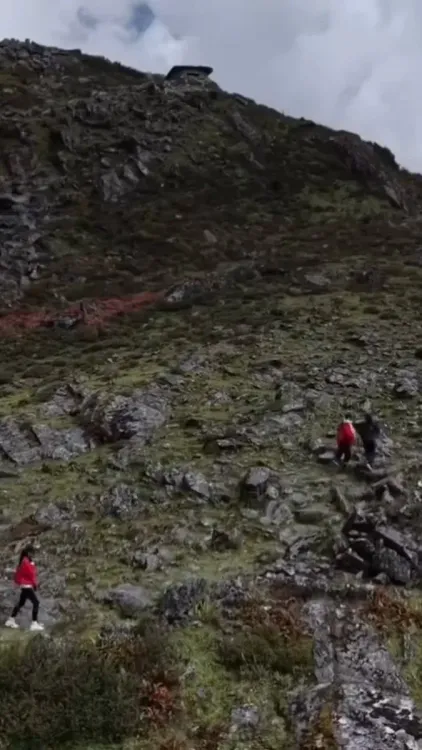
Arunachal Pradesh CM Pema Khandu on 24 September 2026 applauded the Salt Trek, a heritage initiative by Monpa Mates Media and Monyul Heritage Society that revives ancient trans-Himalayan trade trails through Tawang, with support from the Indian Army and state tourism department.
Key Takeaways
CM Pema Khandu publicly endorsed the Salt Trek initiative on 24 September 2026 , calling it a way to 'relive a part of our ancestors' lives.' The trek retraces historic Monpa salt trade routes through Monyul , the traditional name for the Tawang region of Arunachal Pradesh.
Organisers include Monpa Mates Media and Monyul Heritage, Winter Sports and Winter Sports Society .
The Indian Army's ADGPI and Arunachal Pradesh Tourism are official collaborators, reflecting standard army facilitation for events in border districts.
The Salt Trek aligns with Arunachal Pradesh's decade-long heritage and adventure tourism push centred on Tawang, including its 17th-century Tawang Monastery .
Formal central government funding under border tourism schemes is a potential next step for the initiative.
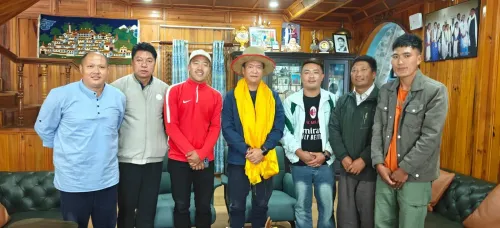
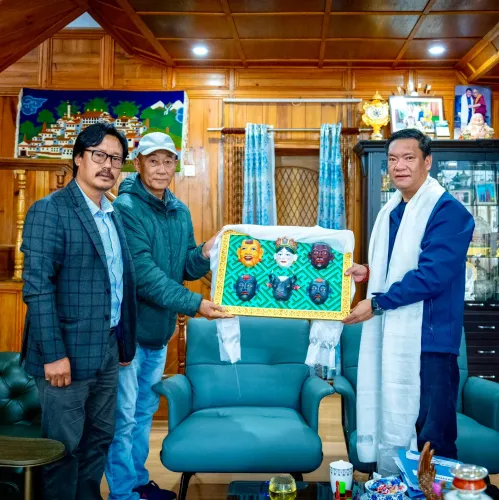
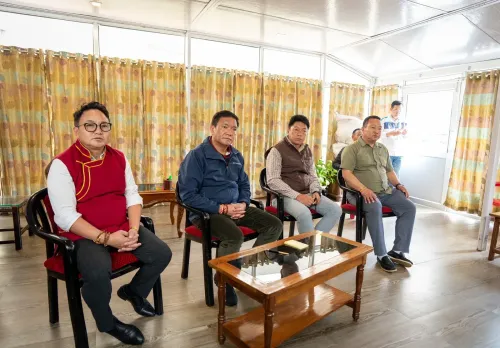
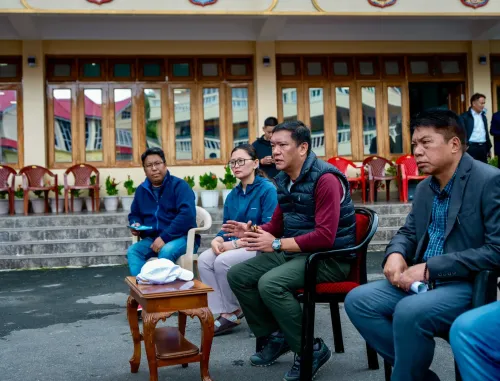
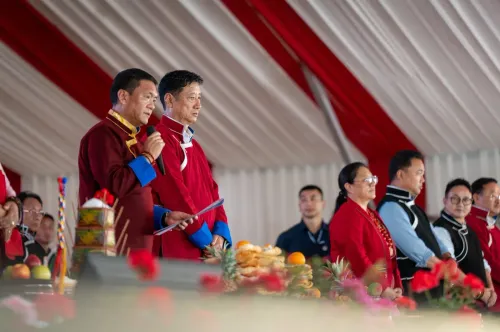
Somewhere in the high-altitude terrain of Tawang, the ghosts of ancient salt traders are walking again — and Arunachal Pradesh Chief Minister Pema Khandu wants the world to notice. On Thursday, 24 September 2026, Khandu posted a warm tribute to the organisers of the Salt Trek, a heritage trekking initiative that retraces the historic trade routes once travelled by the Monpa people through the storied landscape of Monyul.
The ancient trail behind the Salt Trek
Monyul is the historical name for the Tawang region of Arunachal Pradesh, home to the Monpa community and crisscrossed for centuries by trans-Himalayan trade paths along which salt, wool, and goods moved between Tibet and the Indian subcontain. These routes were a lifeline — and then, after 1962, they were sealed by geopolitics. The Salt Trek initiative, spearheaded by Monpa Mates Media and Monyul Heritage, Winter Sports and Winter Sports Society, is an effort to walk those paths again, not as traders, but as inheritors of that memory.
Khandu's message on X was direct: 'It is not just about trekking, it is about reliving a part of our ancestors' lives and reconnecting with the history of Monyul.' That framing — ancestry over adventure — sets this apart from a standard trail run. It is living history on foot.
The Army's role in a border-district event
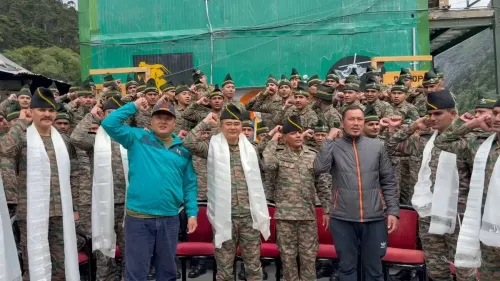
Notably, the Indian Army's Additional Directorate General of Public Information (ADGPI) and Arunachal Pradesh Tourism are listed as official supporters. Army facilitation for cultural and adventure events in Arunachal's frontier districts is well-established — the terrain near the Line of Actual Control requires logistics coordination and access permissions that only the armed forces can provide efficiently. The partnership here is therefore practical as much as it is symbolic.
But the symbolism matters too. An Army-backed heritage walk in Tawang — a district that shares a sensitive border with China — quietly signals continued Indian engagement and administrative presence in the region. The trek is tourism. It is also, unmistakably, a statement of belonging.
Tawang's long push to become a heritage circuit
Tawang, home to one of the largest Buddhist monasteries in India — the 17th-century Tawang Monastery — has been at the centre of Arunachal Pradesh's tourism strategy since the early 2010s. Khandu, who has served as Chief Minister since 2016, has consistently backed infrastructure and tourism development in this frontier district. The Salt Trek fits neatly within that arc: a community-rooted product that converts historical significance into an organised, repeatable visitor experience.
Similar heritage walks have gained traction across other Northeast border districts, often with army facilitation for access. What distinguishes the Salt Trek is its explicit anchoring in the Monpa lived experience — the route is not invented; it was walked by generations before it was ever marketed.
What comes next for the Salt Trek
The immediate question is whether the initiative scales. Arunachal Pradesh Tourism's co-branding and the Chief Minister's public endorsement create the conditions for the Salt Trek to attract formal inclusion under central government schemes that promote border tourism. If that happens, the trail that salt merchants once walked out of necessity could become one of Northeast India's signature heritage circuits — walking the past straight into the future.
Point of View
The initiative projects Indian administrative presence along the Line of Actual Control in a form that is civilian, organic, and internationally presentable. The Chief Minister's consistent championing of Tawang-centred tourism since 2016 has created a policy pipeline where a grassroots heritage walk can credibly attract central government funding. If the Salt Trek receives formal branding, it would mark a maturing of India's border-tourism doctrine — using lived cultural memory as both economic engine and soft-power assertion.
NationPress
24 Sept 2026
Frequently Asked Questions
What is the Salt Trek in Tawang Arunachal Pradesh?
The Salt Trek is a heritage trekking initiative that retraces the ancient trade routes used by the Monpa people to transport salt and goods across the trans-Himalayan terrain of Monyul, the historic name for the Tawang region of Arunachal Pradesh.
Who organised the Salt Trek 2026?
The Salt Trek was organised by Monpa Mates Media and Monyul Heritage, Winter Sports and Winter Sports Society, with support from the Indian Army's ADGPI branch and Arunachal Pradesh Tourism.
Why did CM Pema Khandu appreciate the Salt Trek?
Chief Minister Pema Khandu praised the Salt Trek as an initiative that goes beyond trekking to help participants relive the lives of their Monpa ancestors and reconnect with the cultural history of Monyul.
What is the significance of Monyul in Arunachal Pradesh?
Monyul is the historical name for the Tawang district, home to the Monpa community, the 17th-century Tawang Monastery, and centuries-old trans-Himalayan trade routes that connected the region to Tibet.
Why is the Indian Army involved in the Salt Trek?
The Indian Army's ADGPI provided logistical support and facilitation for the Salt Trek because events in Arunachal Pradesh's border districts near the Line of Actual Control typically require army coordination for access and permissions.