CM Pema Khandu meets football icon Bhaichung Bhutia
Synopsis
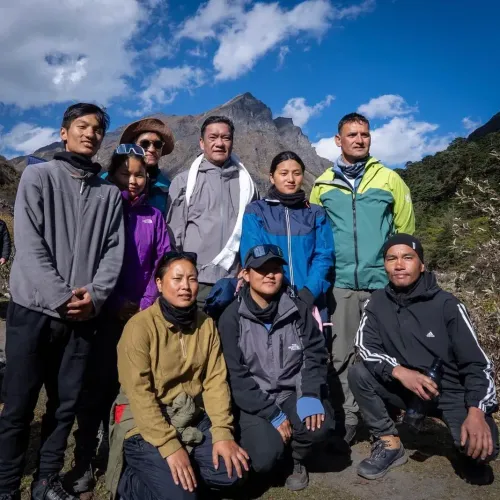
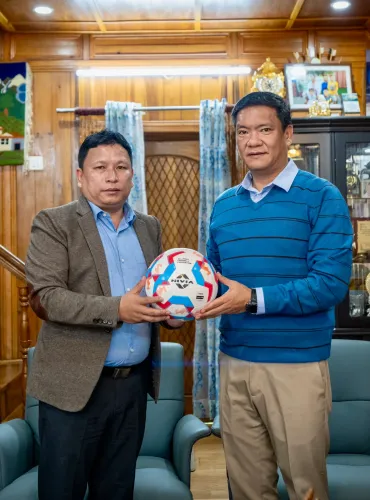
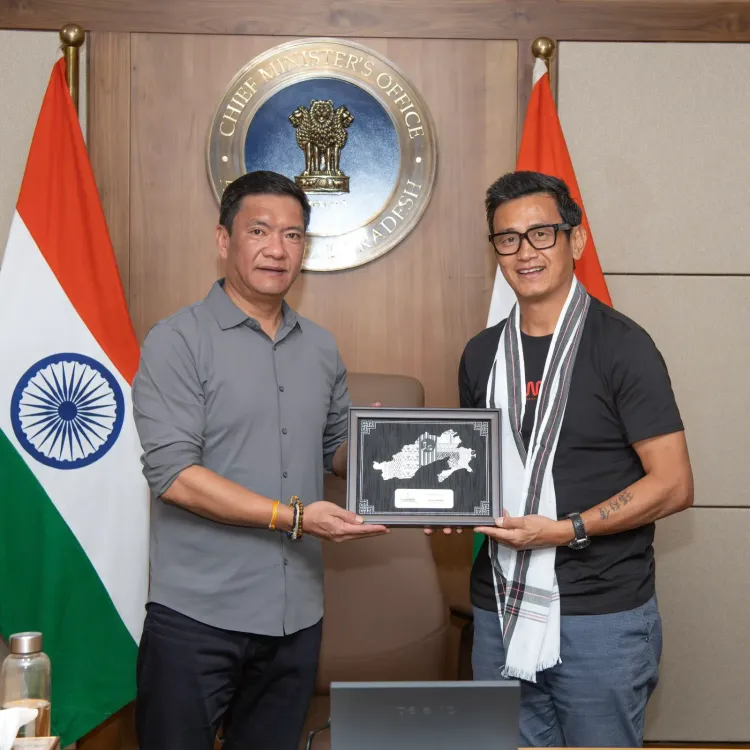
Arunachal Pradesh Chief Minister Pema Khandu met football legend Bhaichung Bhutia on 23 October 2026 for a conversation on growing football in the state, signalling renewed focus on youth sport development in one of India's northeastern frontier states.
Key Takeaways
Pema Khandu and Bhaichung Bhutia met on 23 October 2026 to discuss football's growth in Arunachal Pradesh .
Khandu described the conversation as 'meaningful' and called Bhutia's contributions to Indian football 'truly inspiring.' Bhaichung Bhutia is a former Indian national team captain and the most prominent footballer from the Northeast.
The Khelo India programme (launched 2017 ) provides the central policy framework for state-level football talent development.
No specific scheme announcements were made, but the meeting signals potential follow-up on academies or coaching initiatives in the state.
Sports development in border regions like Arunachal Pradesh carries strategic youth-engagement significance beyond athletics.
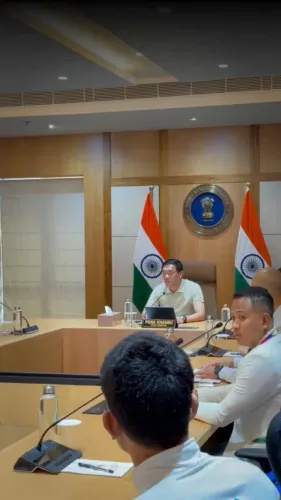
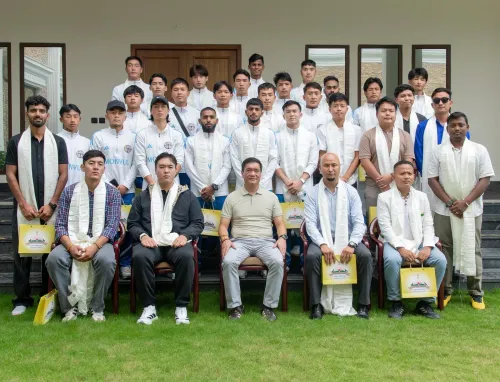
A football conversation between two of the Northeast's most recognisable figures just put Arunachal Pradesh's sporting ambitions firmly in the spotlight. Arunachal Pradesh Chief Minister Pema Khandu met former Indian national football captain Bhaichung Bhutia on Friday, 23 October 2026, describing the exchange as 'a real pleasure' and calling the discussion on the growth and future of football in the state 'truly inspiring.'
What brought the CM and the football great together
Khandu shared on X that the two held 'a meaningful conversation about the growth and future of football in Arunachal Pradesh.' He credited Bhutia's decades-long contribution to Indian football as the source of that inspiration — a recognition that carries weight given Bhutia's status as the most celebrated footballer the Northeast has ever produced. Bhaichung Bhutia, a native of Sikkim, captained the Indian national team for years and became a rare symbol of northeast India on the national sporting stage. His advocacy for grassroots football in the region has continued well beyond his playing career, making him a natural interlocutor for state governments looking to build footballing pathways.Arunachal Pradesh's push to grow the game
Arunachal Pradesh, a frontier state bordering China, has been gradually expanding its sports infrastructure and youth participation frameworks. The state sits within the broader Northeast football corridor — a region that has historically punched above its weight in Indian club and national football — but has lagged behind neighbours like Manipur and Mizoram in producing top-tier talent at scale. The central government's Khelo India programme, launched in 2017, has provided states a policy vehicle for identifying and nurturing football talent through structured academies and competitive exposure. Arunachal has participated in the scheme, and a meeting of this profile signals intent to deepen that engagement.Why border-state football development matters beyond the pitch
For governments overseeing India's border regions, sport is rarely just sport. Youth engagement through competitive football has been framed as a tool for nation-building and local pride in strategically sensitive districts — a logic that adds policy weight to what might otherwise read as a friendly meeting between a chief minister and a sporting hero. No specific commitments — academies, coaching camps, or league partnerships — were announced from the meeting. But conversations at this level routinely precede formal programme launches, and Bhutia's involvement would lend both credibility and visibility to any future Arunachal football initiative. The next move is Arunachal Pradesh's to make — and the state now has one of Indian football's biggest names in its corner.Point of View
Associating with Bhutia's grassroots credibility offers a politically low-risk, high-visibility way to advance youth engagement in a sensitive border state. The Northeast football corridor has long been underleveraged relative to its talent density, and central schemes like Khelo India now give states the fiscal scaffolding to act. If formal announcements follow, this meeting will be remembered as the moment Arunachal Pradesh signalled it was ready to compete with Manipur and Mizoram for northeast football primacy.
NationPress
23 Oct 2026
Frequently Asked Questions
Why did CM Pema Khandu meet Bhaichung Bhutia?
Chief Minister Pema Khandu met Bhaichung Bhutia on 23 October 2026 to discuss the growth and future of football in Arunachal Pradesh, calling it a meaningful and inspiring exchange.
Who is Bhaichung Bhutia?
Bhaichung Bhutia is a former Indian national football team captain from Sikkim and the most celebrated footballer from the Northeast. He has been actively promoting grassroots football across India after retiring from professional play.
What is the state of football in Arunachal Pradesh?
Arunachal Pradesh has been working to expand sports infrastructure and youth participation in football. It participates in the Khelo India programme but has lagged behind neighbours like Manipur and Mizoram in producing top-tier talent.
What is the Khelo India programme?
Khelo India is a central government scheme launched in 2017 to identify and nurture sporting talent across India, including football, through academies, competitive events, and funding support for state sports departments.
Were any new football schemes announced after the Khandu-Bhutia meeting?
No specific schemes, academies, or coaching programmes were announced following the meeting. However, such high-profile conversations often precede formal policy or programme launches.