CM Karnataka: Bengaluru joins Davos Baukultur Pioneering Places
Synopsis
Bengaluru has been selected for the Davos Baukultur Alliance's Pioneering Places programme, the Chief Minister's Office of Karnataka announced on 23 October 2026, framing the city's 500th modern founding anniversary in 2037 as the horizon for a people-centred, sustainable urban transformation.
Key Takeaways
Bengaluru has been selected for the Pioneering Places programme under the Davos Baukultur Alliance , a World Economic Forum-linked urban-design initiative.
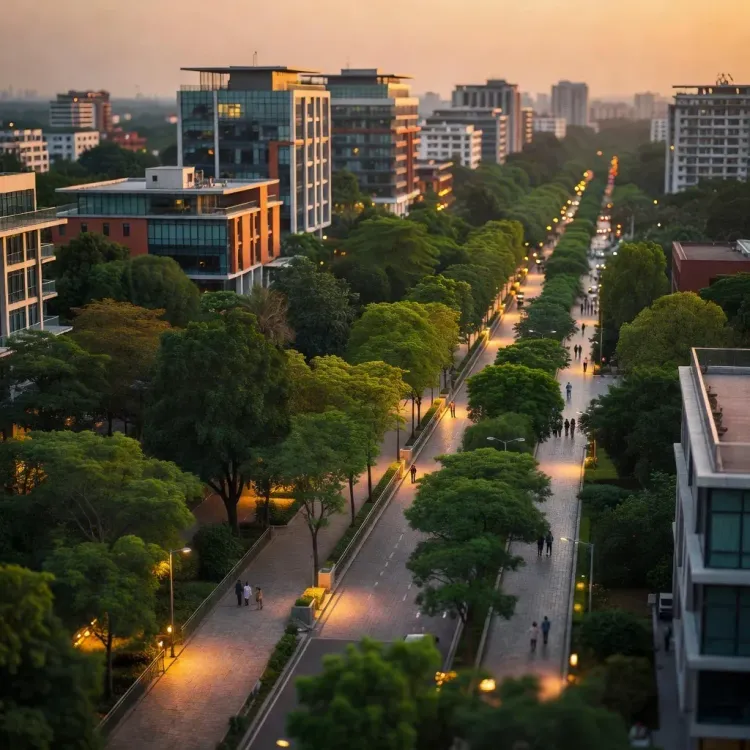
The programme focuses on integrating people, mobility, public spaces and sustainable growth into city planning.
2037 — Bengaluru's 500th year of modern foundations — is the target horizon for the reimagining effort.
Bengaluru was previously part of India's Smart Cities Mission from 2015 , and its existing Revised Master Plan 2015–2035 set mobility and green-space targets.
The selection adds international peer-review accountability to Karnataka's domestic urban-planning agenda.
Rollout milestones and state budget allocations tied to the programme will be the key indicators of real-world impact.
Bengaluru has earned a seat at one of the world's most prestigious urban-design tables. The Chief Minister's Office of Karnataka announced on Friday, 23 October 2026 that Bengaluru has been selected for the Pioneering Places programme under the Davos Baukultur Alliance — a World Economic Forum-linked initiative that picks cities to pilot people-centred, sustainable built environments on a global stage.
What the Davos Baukultur Alliance selection means for Bengaluru
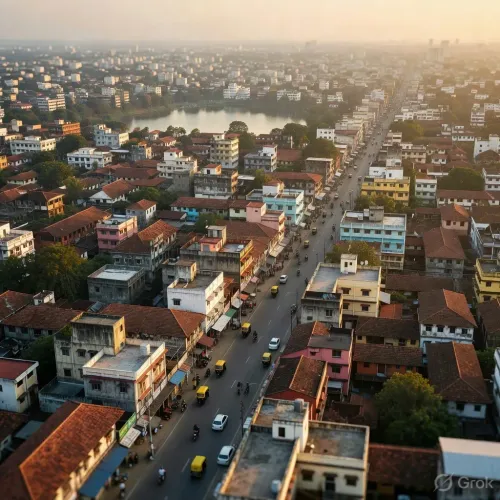
The Baukultur Alliance is not a funding scheme — it is a framework of intent, convening power, and peer learning. Cities selected under the Pioneering Places programme commit to integrating quality architecture, inclusive public spaces, and long-term urban culture into the way they plan and build. For Bengaluru — a metropolis of over 13 million people straining under rapid urbanisation, gridlocked arterials, and shrinking green cover — that framework arrives at a moment of genuine urgency. The CMO's announcement frames the selection as an opportunity to reimagine the city around four pillars: people, mobility, public spaces, and sustainable growth.
The 2037 countdown: Bengaluru's 500th year as a modern foundation
The announcement carries a striking deadline built into it. 2037 marks what the Karnataka government describes as Bengaluru's 500th year of modern foundations — a symbolic horizon that gives urban planners and policymakers roughly a decade to deliver visible transformation. That anniversary is now being positioned as a catalyst: a reason to align master-plan revisions, infrastructure investment, and international partnerships around a single generational ambition rather than scattered, project-by-project improvements.
Karnataka's Revised Master Plan 2015–2035 had already set long-term targets for mobility corridors and green spaces. The Baukultur selection adds an international peer-review dimension to those domestic targets, potentially raising accountability and attracting global design talent and investment to the city.
India's smart-city playbook gets a global-design upgrade
Bengaluru was among the first cities selected under India's Smart Cities Mission in 2015, which prioritised technology-enabled urban renewal. The Pioneering Places selection represents a different register — less about sensors and dashboards, more about the quality of streets, the dignity of public space, and the logic of how a city grows. Indian state governments have increasingly pursued international urban-design partnerships to close infrastructure gaps while projecting global-city credentials, a pattern that aligns with national sustainable-development goals and post-pandemic recovery frameworks. Bengaluru's selection fits squarely into that arc.
What will matter now is whether the programme triggers concrete state budget allocations and master-plan amendments tied to the 2037 milestone — or remains an aspirational badge. The rollout milestones under the Pioneering Places framework, and the Karnataka government's next budget cycle, will be the first real test of how serious this reimagining is.
A city that powers India's tech economy is now asking a sharper question: can it also be a city worth living in? The clock to 2037 has started.
Point of View
Time-bound accountability anchor in a policy space that often drifts into indefinite ambition. The Baukultur selection also reflects a broader pattern in which Indian state governments use high-profile international partnerships to apply external pressure on domestic planning institutions. The real test lies ahead — whether this translates into master-plan revisions and budget commitments, or remains a headline without a blueprint.
NationPress
23 Oct 2026
Frequently Asked Questions
What is the Davos Baukultur Alliance Pioneering Places programme?
The Pioneering Places programme is run under the Davos Baukultur Alliance, a World Economic Forum-linked initiative that selects cities to pilot integrated, people-centred and sustainable approaches to architecture, public spaces and urban development.
Why has Bengaluru been selected for the Pioneering Places programme?
The Chief Minister's Office of Karnataka announced the selection on 23 October 2026, framing it as an opportunity to shape Bengaluru's growth around people, mobility, public spaces and sustainability as the city approaches its 500th modern founding anniversary in 2037.
What is Bengaluru's 500th year anniversary in 2037 about?
The Karnataka government describes 2037 as Bengaluru's 500th year of modern foundations, using it as a symbolic and planning horizon to drive urban transformation and long-term investment in infrastructure, inclusivity and sustainability.
How does this differ from India's Smart Cities Mission for Bengaluru?
India's Smart Cities Mission, which included Bengaluru from 2015, focused on technology-enabled urban renewal. The Baukultur Pioneering Places programme is oriented more towards the quality of public spaces, architecture and people-centred design rather than digital infrastructure.
What should Bengaluru residents watch for next under this programme?
Key indicators will include rollout milestones under the Pioneering Places framework, state budget allocations linked to the 2037 anniversary goals, and any revisions to Karnataka's existing Revised Master Plan for Bengaluru.