Jaishankar in Baku: Azerbaijan eyes 'higher levels' with India on energy, trade
Synopsis
EAM Jaishankar's visit to Baku on 23 October has drawn an unusually forward-looking response from Azerbaijan, with FM Bayramov flagging $600 million in bilateral trade as far below potential and pointing to ONGC's expanded stake in an Azerbaijani oil project as a sign of where the relationship is headed. The corridor angle — Azerbaijan as India's bridge to Eurasian trade routes — may be the most consequential thread to watch.
Key Takeaways
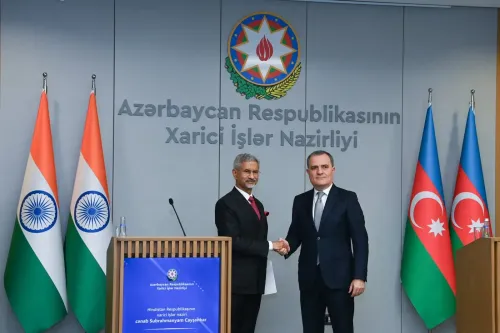
EAM S Jaishankar met Azerbaijani FM Jeyhun Bayramov in Baku on 23 October 2026 , with both sides describing the talks as 'long, positive and fruitful.' Bilateral trade stands at around $600 million , described by Bayramov as well below the two countries' actual potential.
ONGC has increased its participating interest in a major oil and gas project in Azerbaijan ; more than 1,000 Indian companies operate there.
Azerbaijan highlighted its role in east-west and north-south transport corridors as a key area for deeper India cooperation.
People-to-people ties include 2 direct flights between Baku and Delhi, 500 Indian students in Azerbaijani universities, and over 30 Indian films shot in the country.
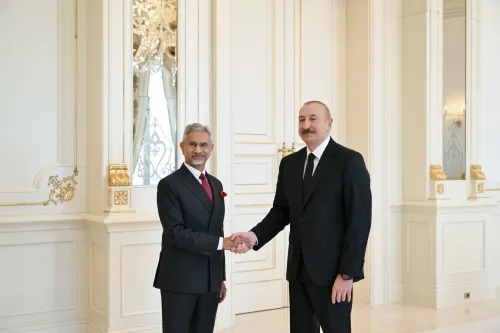
Jaishankar also called on President Ilham Aliyev , conveying greetings from President Droupadi Murmu and PM Modi .
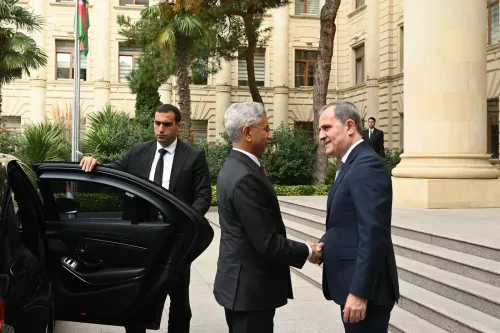
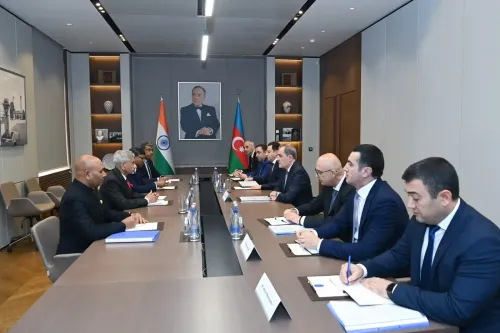
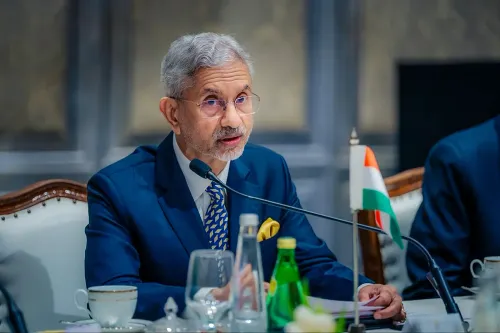
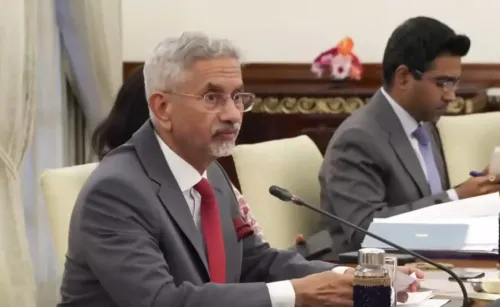
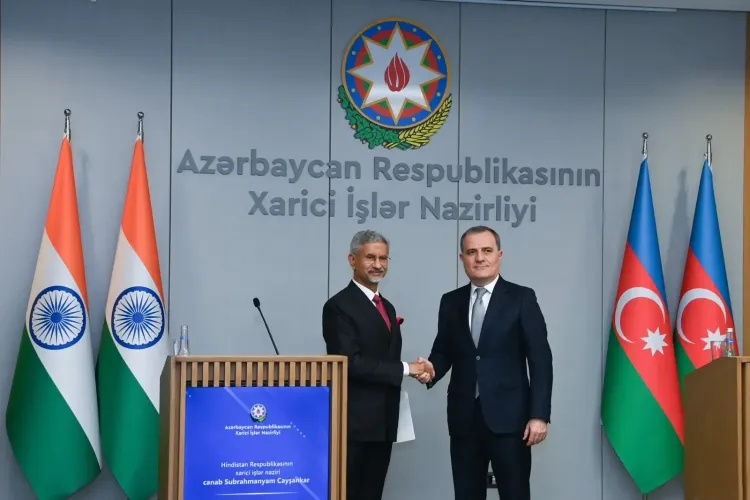
External Affairs Minister S Jaishankar on Friday, 23 October met Azerbaijani Foreign Minister Jeyhun Bayramov in Baku, with the host nation expressing confidence that bilateral ties with India were heading toward 'higher levels,' underpinned by expanding cooperation in energy, pharmaceuticals, agriculture, and transport corridors. The visit marks a significant diplomatic touchpoint in the India-Azerbaijan relationship, building on recent leadership-level engagement.
A 'Long, Positive and Fruitful' Exchange
Bayramov described the discussions as 'long, positive and fruitful,' covering bilateral, regional and global issues. He characterised the visit as a logical continuation of the meeting between Prime Minister Narendra Modi and Azerbaijani President Ilham Aliyev on the sidelines of the Shanghai Cooperation Organisation (SCO) Summit in Bishkek last month. The diplomatic momentum signals that the India-Azerbaijan relationship is being deliberately elevated beyond symbolic summits.
Trade and Economic Ties: Scope for Growth
Bayramov noted that bilateral trade currently stands at around $600 million this year, acknowledging that this figure 'did not reflect the full potential of the two countries.' He highlighted that India's ONGC had increased its participating interest in a major oil and gas project in Azerbaijan, and that more than 1,000 Indian companies are currently operating in the country. Energy, agriculture and pharmaceuticals were identified as the most promising sectors for deeper collaboration.
Transport Corridors and Strategic Geography
Azerbaijan's geographical position as a bridge between east-west and north-south trade routes was flagged as a key asset. Bayramov emphasised the importance of transport corridors — a reference to Azerbaijan's role in both the International North-South Transport Corridor (INSTC) and broader Eurasian connectivity frameworks. This comes amid India's sustained push to diversify trade routes and reduce dependence on traditional maritime channels, making Baku a strategically valuable partner.
People-to-People and Cultural Links
On the softer side of diplomacy, Bayramov pointed to two direct flights currently operating between Baku and Delhi, approximately 500 Indian students enrolled in Azerbaijani universities in the current academic year, and more than 30 Indian films shot on location in Azerbaijan in recent years. These indicators reflect a broadening relationship beyond purely strategic or economic interests.
Jaishankar Calls on President Aliyev
Earlier on Friday, Jaishankar also called on President Aliyev in Baku. 'Pleased to call on Ilham Aliyev of Azerbaijan in Baku this morning. Conveyed the greetings of President Droupadi Murmu and PM Modi. Discussed strengthening the relationship between our two countries. Appreciate his positive sentiments for this shared endeavour,' Jaishankar posted on X. The two sides also discussed regional developments, including the normalisation of relations between Armenia and Azerbaijan, tensions in the Middle East, and the ongoing Russia-Ukraine war. As both nations deepen engagement, attention will now turn to whether the optimism in Baku translates into concrete agreements, particularly on energy partnerships and corridor access.
Point of View
Which is a pointed way of calling for acceleration. ONGC's increased stake in an Azerbaijani oil project is the kind of quiet energy footprint that rarely makes headlines but carries durable strategic weight. The transport corridor dimension deserves closer attention: as India seeks alternatives to Strait of Malacca dependency and probes INSTC viability, Azerbaijan is positioning itself as an indispensable node. Whether Friday's goodwill converts into binding corridor access or energy agreements will be the real measure of this visit.
NationPress
23 Oct 2026
Frequently Asked Questions
Why did EAM Jaishankar visit Baku?
EAM S Jaishankar visited Baku on 23 October 2026 to meet Azerbaijani Foreign Minister Jeyhun Bayramov and call on President Ilham Aliyev, with discussions covering bilateral trade, energy, transport corridors, and regional issues. The visit was described as a follow-up to the Modi-Aliyev meeting at the SCO Summit in Bishkek last month.
What is the current state of India-Azerbaijan trade?
Bilateral trade between India and Azerbaijan stands at around $600 million in 2026, a figure Azerbaijani FM Bayramov acknowledged does not reflect the full potential of the two economies. Energy, pharmaceuticals, and agriculture were highlighted as sectors with significant room for expansion.
What is ONGC's role in Azerbaijan?
India's ONGC has increased its participating interest in a major oil and gas project in Azerbaijan, signalling a deepening energy partnership. More than 1,000 Indian companies are currently operating in Azerbaijan.
Why is Azerbaijan important to India's transport strategy?
Azerbaijan occupies a strategic geographical position linking east-west and north-south trade corridors, making it a key node for India's connectivity ambitions including the International North-South Transport Corridor (INSTC). Baku's role as a transit hub could help India diversify trade routes beyond traditional maritime paths.
What regional issues did the two foreign ministers discuss?
Beyond bilateral matters, Jaishankar and Bayramov discussed the normalisation of relations between Armenia and Azerbaijan, tensions in the Middle East, and the Russia-Ukraine war, reflecting the broader geopolitical dimensions of India's diplomatic engagement in the South Caucasus region.