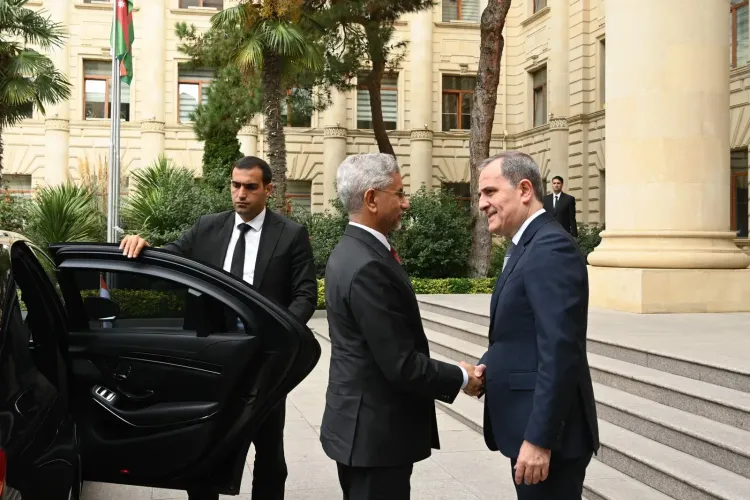
Jaishankar meets Azerbaijan FM Bayramov, charts bilateral path
Synopsis
EAM Dr. S. Jaishankar met Azerbaijan FM Jeyhun Bayramov on October 23, 2026, agreeing to deepen political consultations, enhance economic ties, build connectivity including via the INSTC, and foster people-to-people links, reflecting India's broader Caucasus outreach strategy.
Key Takeaways
Jaishankar held bilateral talks with Azerbaijan FM Jeyhun Bayramov on October 23, 2026 .
Both sides agreed to deepen political consultations, encourage high-level exchange visits, and enhance economic activities.
Connectivity — including through the International North-South Transport Corridor (INSTC) — and people-to-people ties were key agenda items.
The two ministers exchanged strategic perspectives on regional and global developments, identifying a 'common interest in promoting peace, progress and prosperity.' India–Azerbaijan diplomatic relations date to 1992 ; this meeting signals a fresh push to elevate the partnership.
Follow-up high-level visits and possible trade or connectivity MoUs are the immediate items to watch.
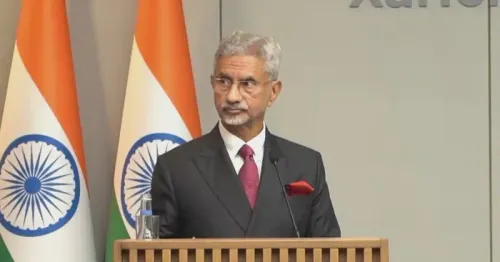
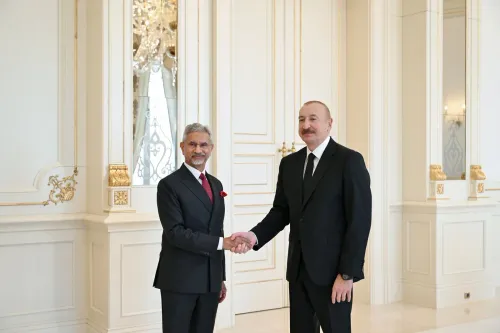
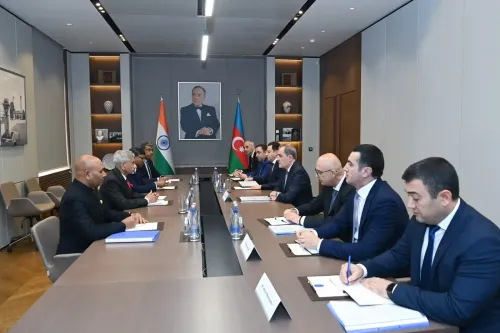
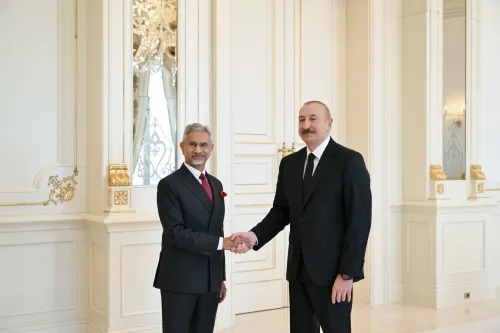
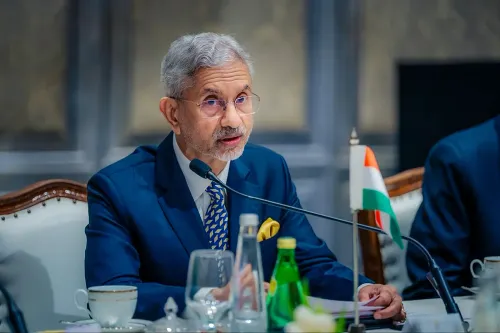
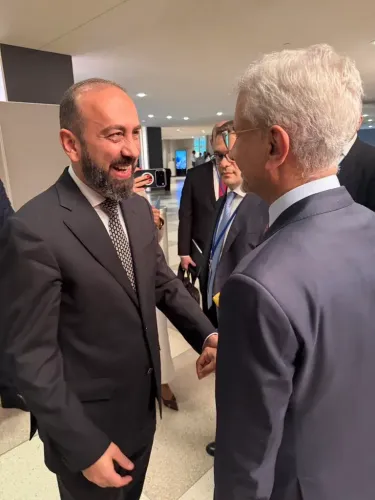
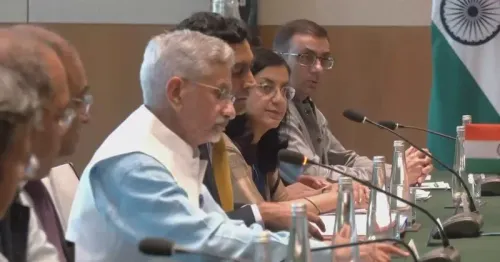
India is extending its diplomatic reach deeper into the South Caucasus. On Friday, October 23, 2026, Union External Affairs Minister Dr. S. Jaishankar held what he described as 'productive discussions' with Azerbaijan's Foreign Minister Jeyhun Bayramov, agreeing to chart 'a pathway forward' for a relationship built on shared ambitions in trade, connectivity, and strategic alignment.
What the two ministers agreed on
The talks were substantive across multiple tracks. Both sides agreed to deepen political consultations, encourage exchange visits at high levels, enhance economic activities, build connectivity, and foster people-to-people ties. They also exchanged views on regional and global developments from what Jaishankar called 'a strategic perspective,' anchoring the conversation in a broader geopolitical frame — not merely trade arithmetic.
The phrase 'common interest in promoting peace, progress and prosperity' signals a convergence of worldviews that goes beyond bilateral transactionalism. It is the language of a relationship being upgraded, not merely maintained.
Thirty-plus years of ties, and a new momentum
India and Azerbaijan established diplomatic relations in 1992, immediately after Baku declared independence from the Soviet Union. For much of those three decades, the relationship ticked along quietly — periodic meetings on the sidelines of multilateral forums such as the UN General Assembly, some energy dialogue, modest trade. What is different now is context: India is systematically deepening its engagement with Caucasus and Central Asian states as part of a larger connectivity drive.
At the centre of that drive sits the International North-South Transport Corridor (INSTC) — the multimodal freight route linking India through Iran, the Caspian Sea, and onward to Russia and Europe. Azerbaijan sits squarely astride this corridor. Its ports and rail networks are not peripheral to India's connectivity calculus — they are load-bearing.
Jaishankar's Caucasus calculus
This meeting fits a recognisable pattern in Jaishankar's foreign policy style: granular, face-to-face bilateral engagement with nations that occupy strategic geography, even if they rarely dominate prime-time headlines. The South Caucasus — sandwiched between Russia, Turkey, Iran, and the Caspian — is precisely the kind of neighbourhood India cannot afford to leave to others.
For Foreign Minister Bayramov, who has managed Azerbaijan's diplomacy since 2020 through a period of significant regional turbulence, engagement with a major Indo-Pacific power like India adds strategic depth. The symmetry is real: both countries have diversified their partnerships and both benefit from stable, rule-based connectivity routes.
What to watch next
The agreed agenda — exchange visits, economic enhancement, connectivity — is a commitments list waiting to become a MoU list. Watch for follow-up visits, and for the next multilateral moment, likely a major UN-linked event, where both ministers can formalise what was charted today. India's steady Caucasus push just got a concrete update.
Point of View
Especially as New Delhi works to reduce dependence on any single trade or transit corridor. Jaishankar's framing — 'strategic perspective,' 'peace, progress and prosperity' — signals India is pitching itself as a long-term partner, not a transactional visitor. The real test will be whether exchange visits and economic commitments materialise into signed agreements.
NationPress
23 Oct 2026
Frequently Asked Questions
Why did Jaishankar meet Azerbaijan FM Bayramov?
EAM Dr. S. Jaishankar met Azerbaijan FM Jeyhun Bayramov on October 23, 2026 to chart a forward pathway for the India–Azerbaijan relationship, covering political consultations, trade, connectivity, and people-to-people ties.
What is the International North-South Transport Corridor and why does Azerbaijan matter?
The INSTC is a multimodal freight route linking India to Russia and Europe via Iran and the Caspian Sea. Azerbaijan is a key transit country on this corridor, making its rail and port infrastructure strategically important for India's connectivity goals.
When did India and Azerbaijan establish diplomatic relations?
India and Azerbaijan established diplomatic relations in 1992, shortly after Azerbaijan declared independence from the Soviet Union.
Who is Jeyhun Bayramov?
Jeyhun Bayramov has served as Azerbaijan's Foreign Minister since 2020, managing the country's bilateral and multilateral diplomacy during a period of significant regional change in the South Caucasus.
What will follow the Jaishankar-Bayramov meeting?
Both sides agreed to high-level exchange visits and to enhance economic and connectivity activities; follow-up MoUs and a possible next ministerial meeting at a multilateral forum such as the UN General Assembly are the key things to watch.