Jaishankar in Azerbaijan: Terrorism, security top India-Baku talks
Synopsis
EAM Jaishankar's Baku visit went well beyond protocol — terrorism and cross-border security threats were squarely on the table, alongside a fresh push on energy, trade, and connectivity. India's public welcome of the Azerbaijan-Armenia peace deal and Jaishankar's personal thanks for India's Iran evacuation support signal that this bilateral relationship is being actively upgraded, not just maintained.
Key Takeaways
EAM S Jaishankar visited Baku, Azerbaijan on 23 October 2026 in a follow-up to the PM Modi–President Aliyev meeting at the SCO Summit in Bishkek .
Talks covered terrorism, security issues, and common threats , with both sides agreeing to cooperate on shared challenges.
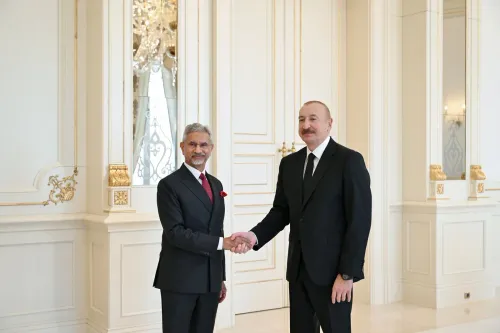
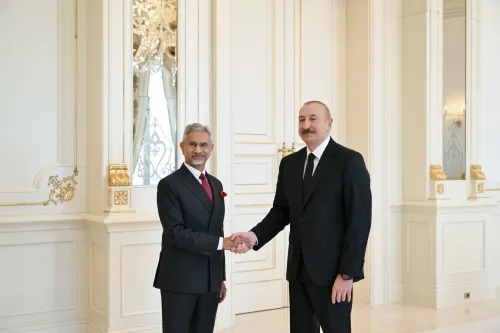
Jaishankar called on President Ilham Aliyev , conveying greetings from PM Modi and President Murmu.
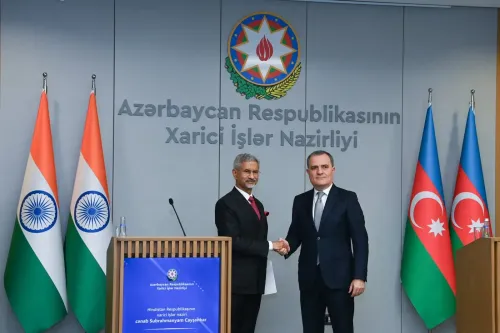
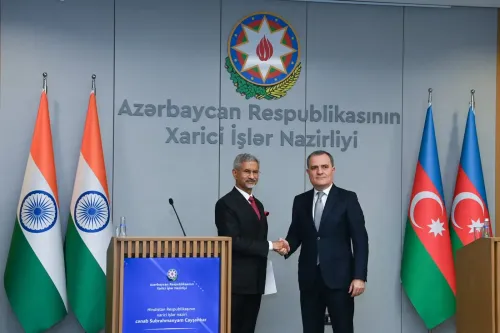
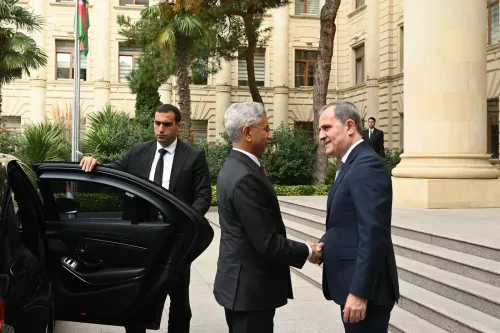
Discussions with Foreign Minister Jeyhun Bayramov were described as 'productive,' covering trade, investment, connectivity, and energy cooperation .
India welcomed the Azerbaijan-Armenia peace agreement and thanked Baku for supporting the evacuation of Indian students from Iran .
Jaishankar invited FM Bayramov to visit India; MoS Kirti Vardhan Singh had represented India at the recent CICA meeting in Azerbaijan.
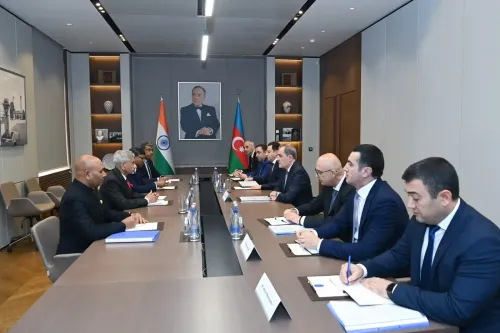
External Affairs Minister S Jaishankar held wide-ranging discussions on terrorism, security issues, and common threats during his visit to Baku, Azerbaijan on Friday, 23 October 2026, the Ministry of External Affairs (MEA) has confirmed. The visit, described as a follow-up to a bilateral meeting between Prime Minister Narendra Modi and Azerbaijani President Ilham Aliyev on the sidelines of the SCO Summit in Bishkek, signals a deliberate effort by New Delhi to deepen ties with the South Caucasus nation.
What Was Discussed
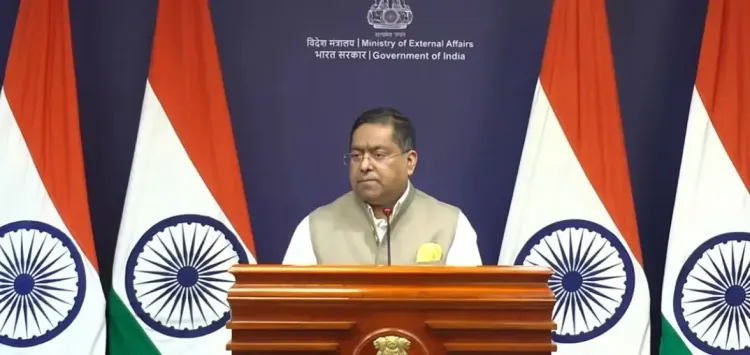
Addressing a bi-weekly media briefing in New Delhi, MEA spokesperson Randhir Jaiswal confirmed that security and terrorism figured prominently in the talks. 'Security issues, terrorism, and the common threats that we face were discussed. Both countries agreed that they must cooperate, collaborate to enhance peace, prosperity, and security of their people, and also work towards shared challenges that they have,' Jaiswal said, responding to questions on whether cross-border terrorism was specifically raised.
Jaishankar also called on President Ilham Aliyev in Baku, conveying the personal greetings of both Prime Minister Modi and President Droupadi Murmu to the Azerbaijani leader. The two sides discussed how to advance various aspects of their bilateral relationship, according to the MEA.
Bilateral Ties: Trade, Energy and Connectivity
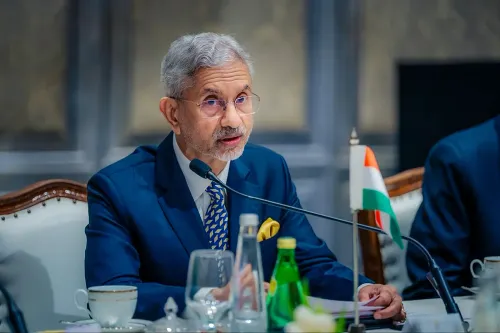
Jaishankar held what Jaiswal described as a 'productive' and 'detailed' discussion with his Azerbaijani counterpart, Foreign Minister Jeyhun Bayramov. The two ministers agreed to deepen political consultations and expand economic cooperation. Key areas flagged included trade and investment, connectivity, and collaboration in the energy sector — all increasingly relevant given India's interest in diversifying energy partnerships and exploring transit corridors through the Caucasus region.
Jaiswal noted that the two countries share 'a strong cultural understanding,' which he said provides a firm foundation for broadening the relationship going forward. Both sides also agreed to facilitate exchange visits, including trade visits, pointing to momentum on the economic track.
India Welcomes Azerbaijan-Armenia Peace Agreement
On the regional dimension, Jaishankar and Bayramov exchanged perspectives on both regional and global developments. The MEA reiterated India's position in favour of the peace process between Azerbaijan and Armenia. 'India, we have a position on the peace agreement. We welcome the peace agreement that has been signed between Azerbaijan and Armenia,' Jaiswal said.
This marks a notable signal from New Delhi, which has historically maintained equidistance in the Azerbaijan-Armenia dispute while building ties with both nations.
India Thanks Azerbaijan for Iran Evacuation Support
In a gesture that underscored the practical dimension of the bilateral relationship, Jaishankar personally thanked Foreign Minister Bayramov for Azerbaijan's support in evacuating Indian students from Iran when the conflict erupted in West Asia. The acknowledgement reflects the value New Delhi places on Baku's role as a reliable partner during regional crises.
Jaishankar also extended a formal invitation to Bayramov to visit India, and congratulated Azerbaijan for successfully hosting the recent CICA (Conference on Interaction and Confidence-Building Measures in Asia) meeting, at which Minister of State Kirti Vardhan Singh represented India.
Strategic Context
The Baku visit is part of a broader Indian diplomatic push in Eurasia, with the SCO framework providing fresh momentum for bilateral engagements. Azerbaijan's importance to India spans energy supply chains, the International North-South Transport Corridor (INSTC), and emerging connectivity routes that bypass traditional chokepoints. This is the second high-level bilateral touchpoint between the two nations in quick succession, indicating New Delhi's intent to upgrade the relationship beyond routine diplomatic contact.
Point of View
And as India seeks to reduce logistics dependence on traditional western routes, Baku becomes structurally important. The personal thank-you for Iran evacuations is also diplomatic capital being carefully banked — New Delhi is reminding Baku that the relationship delivers in a crisis, not just in summits.
NationPress
23 Oct 2026
Frequently Asked Questions
What was discussed during EAM Jaishankar's visit to Azerbaijan?
Jaishankar's visit to Baku on 23 October 2026 covered terrorism, security issues, and common threats, as confirmed by the MEA. The meetings also addressed trade and investment, energy cooperation, connectivity, and regional developments including the Azerbaijan-Armenia peace process.
Did Jaishankar raise cross-border terrorism with Azerbaijan?
Yes, the MEA confirmed that security issues and terrorism were discussed during the visit. MEA spokesperson Randhir Jaiswal said both countries agreed to cooperate and collaborate to enhance peace and security and address shared challenges.
Why is Jaishankar's Azerbaijan visit significant for India?
The visit is a follow-up to a PM Modi–President Aliyev bilateral on the sidelines of the SCO Summit in Bishkek, elevating the engagement. Azerbaijan is strategically important for India's energy diversification and as a transit node on the International North-South Transport Corridor (INSTC).
What is India's position on the Azerbaijan-Armenia peace agreement?
India has welcomed the peace agreement signed between Azerbaijan and Armenia, as reiterated by MEA spokesperson Randhir Jaiswal during the briefing. This aligns with New Delhi's broader stance of supporting dialogue and diplomatic resolution of regional conflicts.
Why did Jaishankar thank Azerbaijan's Foreign Minister Bayramov?
Jaishankar thanked Foreign Minister Jeyhun Bayramov for Azerbaijan's support in evacuating Indian students from Iran when the West Asia conflict erupted. He also extended a formal invitation for Bayramov to visit India.