CM Pema Khandu Thanks Modi, Shah for ₹44.55 Cr Flood Relief
Synopsis
Chief Minister Pema Khandu announced that the Centre has approved an advance release of ₹44.55 crore under the SDRF for flood-affected Arunachal Pradesh, with an Inter-Ministerial Central Team also deputed to assess damages and guide further relief.
Key Takeaways
The Centre approved an advance release of ₹44.55 crore under the State Disaster Response Fund (SDRF) for flood-hit Arunachal Pradesh .
The SDRF operates on a 90:10 centre-state sharing ratio for northeastern states under the Disaster Management Act, 2005 .
An Inter-Ministerial Central Team (IMCT) has been deputed by the Ministry of Home Affairs to assess damages on the ground.
CM Pema Khandu credited PM Narendra Modi and Home Minister Amit Shah for the prompt approval.
Funds will support ongoing relief, rescue, and rehabilitation in flood-affected areas of the state.
The IMCT's damage report will determine whether additional assistance packages are released.
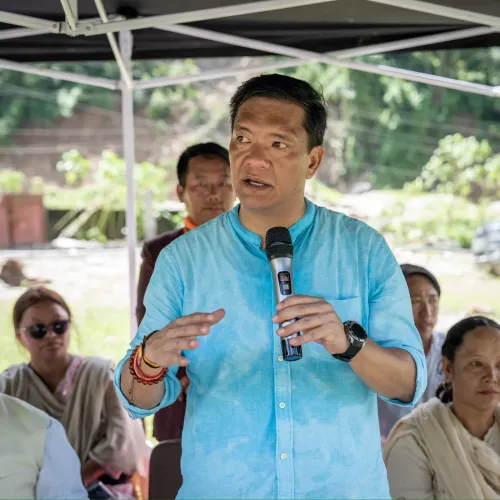
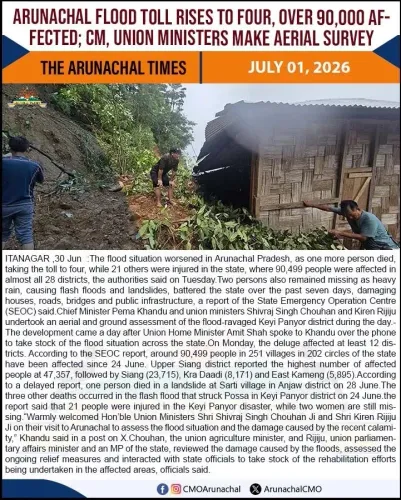
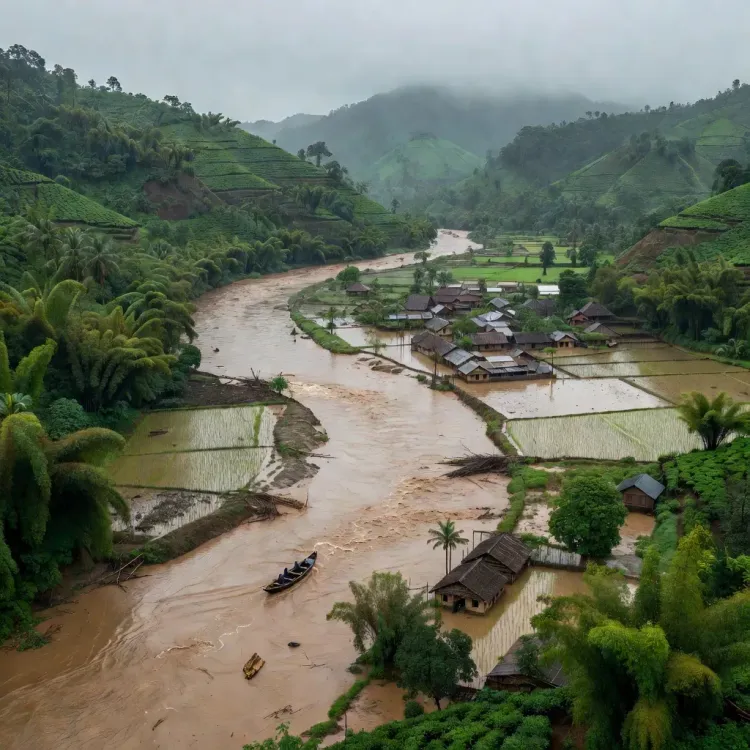
Flood-battered Arunachal Pradesh got a critical financial lifeline on Sunday, August 2, 2026, as Arunachal Pradesh Chief Minister Pema Khandu announced that the Centre has approved an advance release of ₹44.55 crore under the State Disaster Response Fund (SDRF) — a move he described as 'timely support' for ongoing relief and rescue operations across the state's flood-hit districts.
₹44.55 Crore Unlocked — and Why the Word 'Advance' Matters
The SDRF, constituted under the Disaster Management Act, 2005, operates on a 90:10 centre-state sharing ratio for northeastern states — meaning the Union government shoulders the overwhelming burden of disaster financing. An 'advance release' is a specific mechanism that bypasses the usual post-assessment cycle, pushing funds to the state before damage verification is complete. Speed is the point. When communities are cut off by floodwaters and landslides, waiting for paperwork costs lives.
CM Khandu expressed 'heartfelt gratitude' to Prime Minister Narendra Modi and Union Home Minister Amit Shah, who oversees disaster management coordination between the Centre and states. The acknowledgement of both leaders by name signals how politically and administratively high the approval chain ran.
The Inter-Ministerial Central Team's Role on the Ground
Beyond the funds, the Centre has deputed an Inter-Ministerial Central Team (IMCT) — a body sent by the Ministry of Home Affairs to independently assess damages and recommend follow-up assistance. The IMCT's findings will shape what comes next: whether additional tranches are released, and what long-term rehabilitation packages the state can claim.
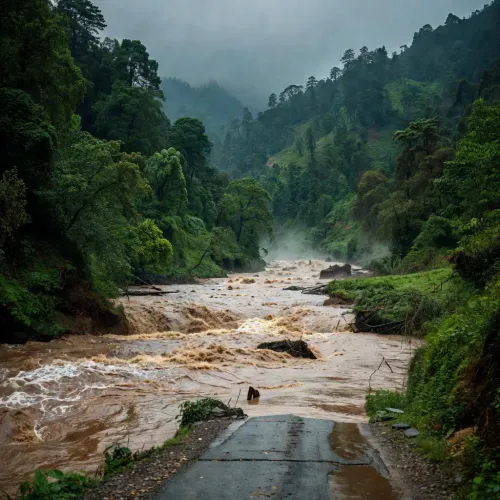
Arunachal Pradesh's hilly terrain and dense river network make it one of India's most monsoon-vulnerable states. Steep gradients accelerate runoff, rivers breach banks quickly, and landslides can sever road links for days. This geography has made the state a recurrent recipient of central disaster intervention under the National Disaster Management Authority framework — and the current episode fits a well-worn, necessary pattern.
What the Flood-Affected Residents Can Expect Now
The ₹44.55 crore will directly fund relief, rescue, and rehabilitation — temporary shelters, food distribution, medical camps, and restoration of essential connectivity. The IMCT's damage assessment, once submitted, will determine whether a larger package follows. The people of Arunachal Pradesh are, for now, waiting on both counts: the water to recede, and the full scale of the damage to be tallied.
For a state where a single monsoon season can undo months of development work, the Centre's prompt response — funds released before the assessment is even complete — is not a courtesy. It is a necessity.
Point of View
Precisely to avoid the bureaucratic lag that historically delayed relief. For the BJP-led government at the Centre and the BJP-led state government, the optics of seamless coordination are politically convenient, but the mechanism itself is institutionally sound and legally mandated. The deployment of an IMCT signals that a larger follow-up package may be in the pipeline, making this announcement the opening move rather than the final one. Arunachal Pradesh's recurring monsoon vulnerability means this centre-state dance is an annual ritual — the real test is whether rehabilitation funding, once assessed, translates into durable infrastructure rather than repeated emergency patches.
NationPress
2 Aug 2026
Frequently Asked Questions
What is the SDRF and how does it work for northeastern states?
The State Disaster Response Fund (SDRF) was established under the Disaster Management Act, 2005. For northeastern states like Arunachal Pradesh, the Centre contributes 90% of the fund and the state contributes 10%, making it the primary financial mechanism for disaster relief and rehabilitation.
How much flood relief did Arunachal Pradesh receive from the Centre?
The Centre approved an advance release of ₹44.55 crore under the SDRF for Arunachal Pradesh, as announced by Chief Minister Pema Khandu on August 2, 2026.
What is an Inter-Ministerial Central Team (IMCT)?
An Inter-Ministerial Central Team is a body deputed by the Ministry of Home Affairs to independently assess the extent of damages caused by a natural disaster in a state and recommend the quantum of additional central assistance required.
Why is Arunachal Pradesh so vulnerable to floods?
Arunachal Pradesh's hilly terrain, steep river gradients, and dense river network make it highly susceptible to flash floods and landslides during the monsoon season, frequently requiring central disaster relief intervention.
Who approved the flood relief funds for Arunachal Pradesh?
Prime Minister Narendra Modi and Union Home Minister Amit Shah approved the advance SDRF release of ₹44.55 crore for Arunachal Pradesh, as acknowledged by CM Pema Khandu.