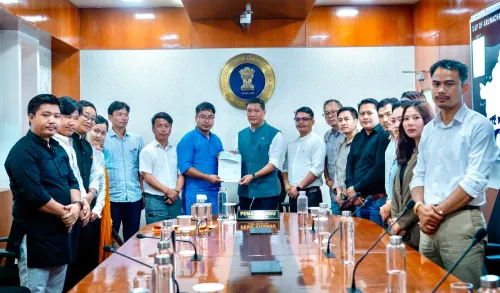
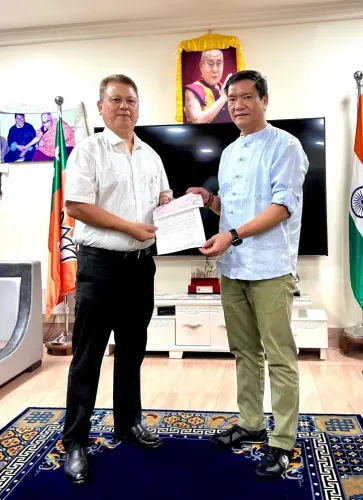
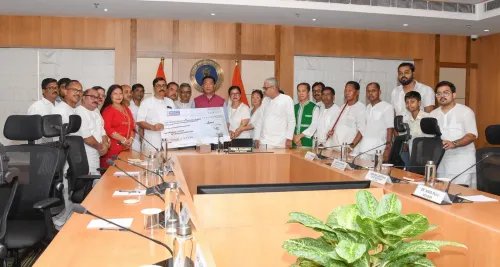
CM Pema Khandu thanks entrepreneur for ₹10 lakh CMRF donation
Synopsis
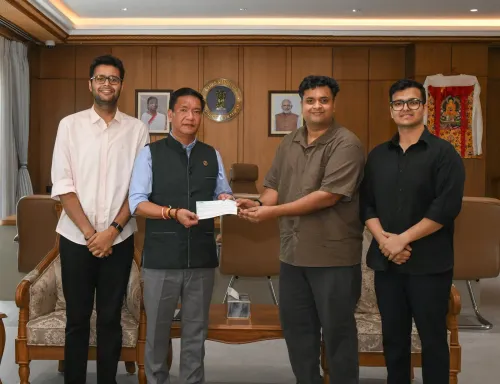
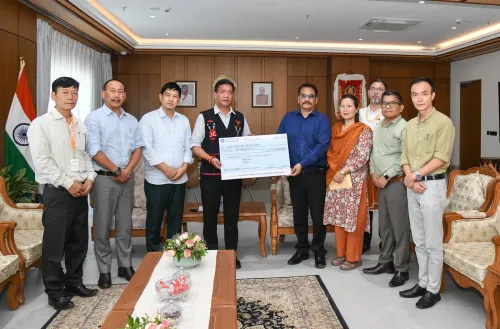
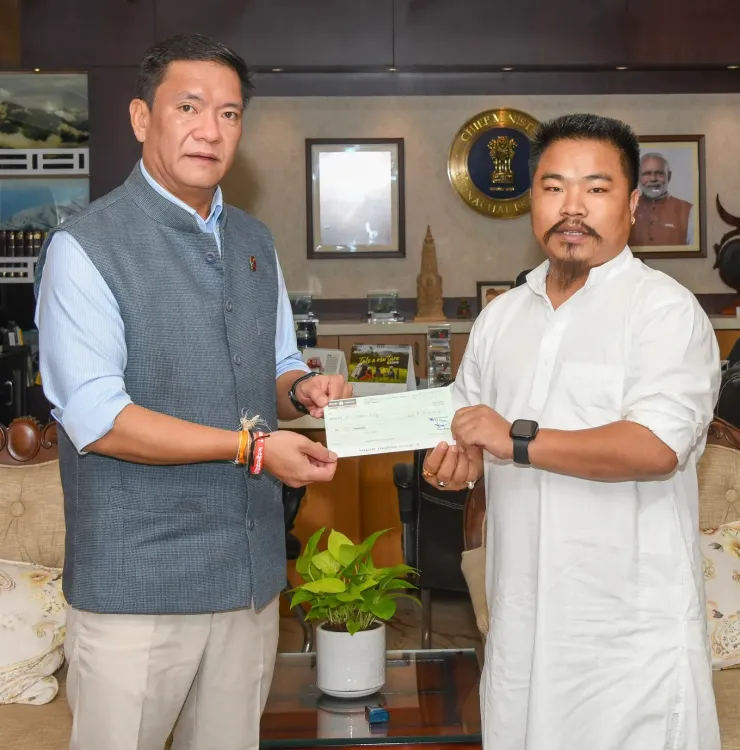
Arunachal Pradesh Chief Minister Pema Khandu on 21 July 2026 publicly thanked entrepreneur Michael Tajo for donating ₹10 lakh to the Chief Minister's Relief Fund, aimed at supporting flood relief operations in the state during the ongoing monsoon season.
Key Takeaways
Arunachal Pradesh CM Pema Khandu acknowledged a ₹10 lakh donation to the Chief Minister's Relief Fund (CMRF) on 21 July 2026 .
The donor, Shri Michael Tajo , is an entrepreneur from Arunachal Pradesh engaged in state-level philanthropy.
The CMRF is used to provide immediate relief to victims of natural disasters, including floods and landslides.
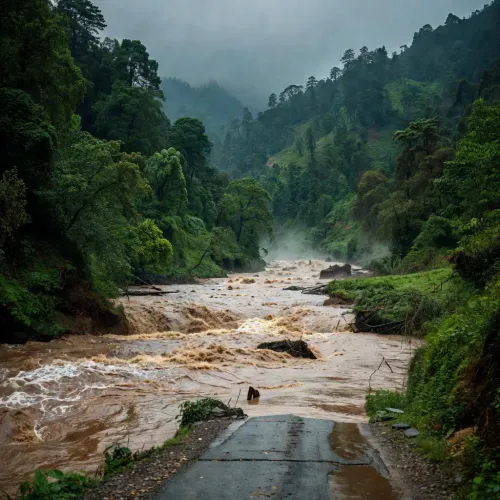
Arunachal Pradesh faces annual flood damage from Brahmaputra tributary systems during the monsoon season.
Public acknowledgement of donors is a deliberate state policy to encourage wider private participation in disaster relief.
Private contributions to the CMRF complement government allocations under India's federal disaster management framework .
Arunachal Pradesh Chief Minister Pema Khandu on Tuesday, 21 July 2026, publicly acknowledged a donation of ₹10 lakh made by Shri Michael Tajo, an entrepreneur from the state, to the Chief Minister's Relief Fund (CMRF) in support of ongoing flood relief efforts in the region.
Context
Arunachal Pradesh is among the most flood-vulnerable states in northeast India, with its river systems — fed by tributaries of the Brahmaputra — routinely breaching banks during the annual monsoon season. Floods and landslides cause recurring damage to infrastructure, agriculture, and livelihoods across the state each year. The CMRF serves as the state government's primary channel for mobilising immediate relief for affected families.
CM Khandu stated that he 'deeply appreciated the generous contribution' of ₹10 lakh by Michael Tajo, framing the donation as a meaningful act of solidarity with flood-hit communities. Public acknowledgements of this kind are a deliberate practice by successive Arunachal administrations to encourage broader civic participation in disaster response.
Policy Backdrop
The CMRF operates under a well-established framework in which private donations supplement state allocations for disaster management. This model is consistent with India's federal disaster management architecture, which encourages voluntary contributions alongside government funding from bodies such as the State Disaster Response Fund (SDRF). In flood-prone northeastern states, private philanthropy through the CMRF has become a recurring feature of the monsoon response cycle.
Arunachal Pradesh governments have historically made a point of publicly recognising donors — from corporate entities to individual entrepreneurs — as a mechanism to sustain and expand the culture of giving. The practice also provides donors with visibility and serves as an informal incentive for others to contribute.
Stakeholders and Impact
The primary beneficiaries of CMRF disbursements are flood-affected families across Arunachal Pradesh who require immediate assistance for food, shelter, and rehabilitation. Contributions such as Tajo's ₹10 lakh add to the fund's corpus, enabling the state to respond more swiftly without waiting for central government releases or legislative budget approvals.
Michael Tajo, identified as a local entrepreneur, represents a growing segment of Arunachal's private sector that is engaging in structured philanthropy tied to state welfare mechanisms. His contribution reflects a broader pattern seen across northeastern states where local business communities step in to supplement public disaster relief capacity during crisis periods.
What's Next
Attention will now turn to how the state government deploys accumulated CMRF funds for rehabilitation works — including repair of damaged homes, restoration of road connectivity, and support to displaced families. Any further donor announcements in the coming weeks will indicate the scale of private sector mobilisation for this monsoon season's relief effort. The government's transparency in reporting CMRF utilisation will also be a key indicator of accountability in disaster fund management.
Point of View
The administration effectively creates social incentives that substitute for formal tax-incentive mechanisms often less visible at the state level. This fits a broader pattern across India's northeast where state governments have leaned on CMRF goodwill campaigns to bridge the chronic gap between disaster frequency and public relief budgets. The gesture also signals that Arunachal's private sector, though nascent, is being actively drawn into the state's welfare architecture.
NationPress
20 Oct 2026
Frequently Asked Questions
What is the Chief Minister's Relief Fund in Arunachal Pradesh?
The Chief Minister's Relief Fund (CMRF) is a state-level fund maintained by the Arunachal Pradesh government to provide immediate financial assistance to victims of natural disasters such as floods and landslides. It is funded through government allocations and voluntary private donations.
Who is Michael Tajo and why did he donate to the CMRF?
Michael Tajo is an entrepreneur from Arunachal Pradesh who donated ₹10 lakh to the Chief Minister's Relief Fund in support of flood relief efforts in the state. CM Pema Khandu publicly acknowledged the contribution on 21 July 2026.
How much did Michael Tajo donate to the Arunachal Pradesh flood relief fund?
Michael Tajo donated ₹10 lakh to the Chief Minister's Relief Fund (CMRF) of Arunachal Pradesh for flood relief, as acknowledged by Chief Minister Pema Khandu on 21 July 2026.
Why is Arunachal Pradesh frequently affected by floods?
Arunachal Pradesh is a northeastern Indian state with river systems fed by tributaries of the Brahmaputra, which regularly overflow during the annual monsoon season, causing floods, landslides, and damage to infrastructure and livelihoods.
Can private individuals donate to the Arunachal Pradesh CMRF?
Yes, both individuals and organisations can donate to the Arunachal Pradesh Chief Minister's Relief Fund. The state government actively encourages such contributions and publicly acknowledges donors to promote wider participation in disaster relief efforts.