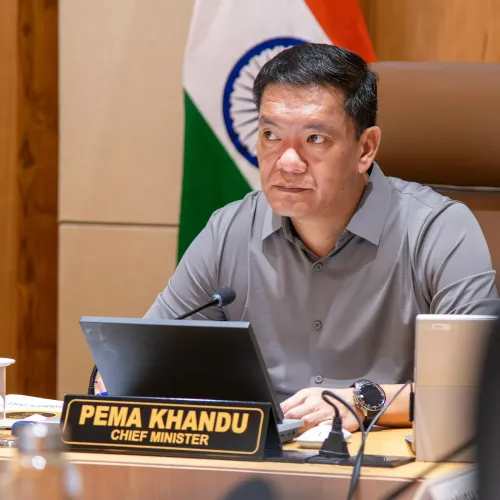
CM Pema Khandu warns against sharing unverified social media content

Synopsis
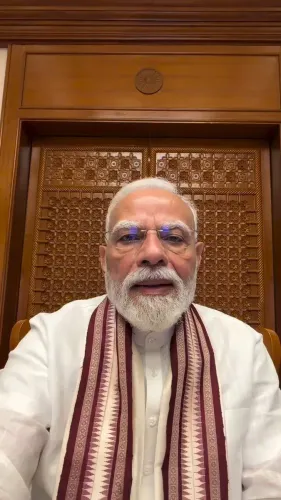
Arunachal Pradesh Chief Minister Pema Khandu issued a public advisory on 28 October 2026 urging citizens to verify social media content before sharing it, specifically warning against misleading videos and digitally altered material that can spread fear and erode public trust.
Key Takeaways
CM Pema Khandu posted a public advisory on 28 October 2026 urging citizens to verify social media content before sharing it.
He specifically flagged 'misleading videos and digitally altered content' as sources of unnecessary fear and social confusion.
His message — 'Think before you share.
Verify before you believe' — frames responsible social media use as a civic duty, not just personal caution.
The advisory aligns with India's Information Technology Act and intermediary guidelines that hold platforms and users accountable for circulated content.
Indian governments routinely intensify such warnings during elections, public-health crises, and periods of communal tension.
Arunachal Pradesh's strategic border geography makes viral misinformation a particularly high-stakes concern for the state.
In an era where a digitally altered video can circle the globe before a fact-checker opens a browser tab, Arunachal Pradesh Chief Minister Pema Khandu is calling on citizens to pause, verify, and then — and only then — share. Posting on X on Wednesday, 28 October 2026, the senior BJP leader issued a sharp public advisory against the unchecked spread of misinformation online.
Khandu's message was direct: 'False information can create unnecessary fear and confusion among people. In today's digital age, misleading videos and digitally altered content can spread rapidly on social media. Before believing or sharing any such content, we must verify its authenticity and rely on credible sources.' He closed with a crisp call to action — 'Think before you share. Verify before you believe.'
Why deepfakes and doctored clips demand a second look
The warning lands at a moment when AI-generated and digitally manipulated content has become increasingly difficult to distinguish from authentic footage. Khandu specifically flagged 'misleading videos and digitally altered content' — a pointed nod to deepfakes and spliced clips that have repeatedly triggered panic, rumour, and, in worst cases, communal tension across India.
The concern is not abstract. Indian governments at both the central and state levels have issued repeated public advisories urging citizens to verify content before amplifying it. These messages sit within a broader legal architecture — the Information Technology Act and subsequent intermediary guidelines — that holds platforms and, increasingly, users accountable for the content they circulate.
A pattern of caution that spikes in high-stakes moments
Advisories of this kind tend to intensify during elections, public-health emergencies, and periods of social tension — moments when a single viral falsehood can move faster than any official rebuttal. Khandu's post fits squarely into that pattern, reinforcing a message that state governments across India have amplified with growing urgency as smartphone penetration deepens into rural and semi-urban communities.
'Responsible use of social media is essential to prevent misinformation and maintain public trust,' he wrote — framing digital literacy not as a personal virtue but as a civic obligation. That framing matters: it positions the fight against misinformation as a shared responsibility between platforms, governments, and individual users.
What this means for Arunachal Pradesh's digital citizens
Arunachal Pradesh, with its strategically sensitive border geography and relatively young internet user base, is not immune to the distortions that viral misinformation can cause. A false rumour about infrastructure, security, or public health in the state can have outsized consequences in communities where official communication channels are still expanding. Whether this advisory is a precursor to a formal digital-literacy drive by the state government remains to be seen, but the Chief Minister's reach on social media gives the message immediate, wide currency.
The reminder is old in principle but urgent in practice: in the attention economy, the share button is faster than the truth — and the cost of clicking carelessly keeps climbing.
Point of View
Not just a communications nuisance. By invoking 'public trust' as the stake, he elevates the message from personal responsibility to social contract. The post also positions Arunachal Pradesh — a frontier state with heightened sensitivity to information ecosystems — within the national conversation on platform accountability and digital literacy. Whether this translates into concrete state-level initiatives or remains an awareness nudge will determine its actual policy weight.
NationPress
28 Oct 2026
Frequently Asked Questions
What did Arunachal Pradesh CM Pema Khandu say about social media misinformation?
CM Pema Khandu warned that false information and digitally altered videos can spread rapidly and create fear. He urged citizens to verify content before believing or sharing it, summarising his message as 'Think before you share. Verify before you believe.'
Why is misinformation a concern in Arunachal Pradesh?
Arunachal Pradesh's sensitive border geography and expanding internet user base make viral misinformation particularly consequential. False rumours about security, infrastructure, or public health can have outsized effects in communities where official communication channels are still developing.
What Indian laws address social media misinformation?
The Information Technology Act and India's intermediary guidelines require platforms to take down flagged content and establish accountability mechanisms for misinformation. Users who knowingly circulate false content can also face legal consequences under these provisions.
How can I verify social media content before sharing it in India?
Government-backed and independent fact-checking resources are available online. Reverse image searches, cross-referencing with multiple credible sources, and checking metadata on videos are commonly recommended steps before sharing any viral content.
Is there a government campaign against deepfakes in India?
The central government and several state governments have issued advisories against deepfakes and digitally altered content, particularly around elections and sensitive public events. Formal regulatory frameworks targeting AI-generated misinformation are an active area of policy discussion.