CM Rekha Gupta Backs Shah's Vow to Purge Infiltrators from Voter Lists
Synopsis
Delhi CM Rekha Gupta shared a statement by Home Minister Amit Shah vowing to remove all Bangladeshi infiltrators from India's voter rolls, accusing the Congress party of blocking the Special Intensive Revision process to shield them. The post escalates a long-running BJP-Congress clash over electoral integrity and illegal immigration.
Key Takeaways
Delhi CM Rekha Gupta amplified a statement by Home Minister Amit Shah on 2 November 2026 , targeting the Congress over electoral rolls.
Shah, as quoted, accuses the Congress party of blocking SIR (Special Intensive Revision) of voter lists to protect Bangladeshi infiltrators.
Shah vows the BJP will not rest until 'every single infiltrator' is removed from voter lists and the country.
The BJP has a consistent track record of linking Bangladeshi illegal immigration to electoral integrity, most notably through Assam's NRC completed in 2019 .
The post uses the hashtag #SaveDemocracyRemoveAnarchy , framing voter-list purification as a democratic imperative.
The Congress has historically opposed or questioned mass citizenship-verification drives, arguing they risk disenfranchising genuine citizens.
A sharp salvo in India's intensifying debate over electoral integrity landed on Monday, 2 November 2026, when Delhi Chief Minister Rekha Gupta amplified a combative statement by Union Home Minister Amit Shah — one that draws a direct line between illegal Bangladeshi immigrants and the integrity of India's voter rolls, and dares the opposition to stop them.
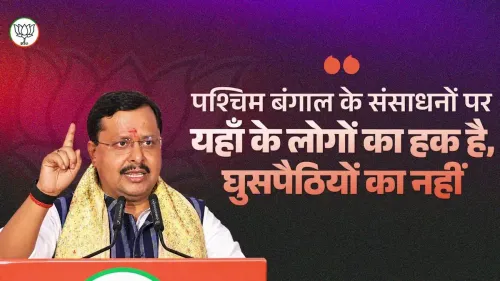
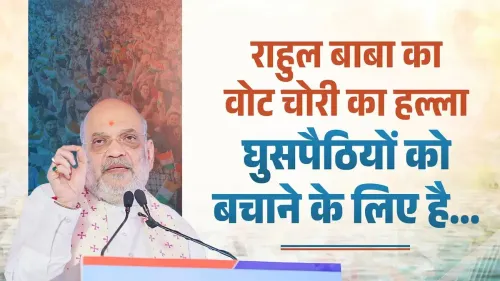
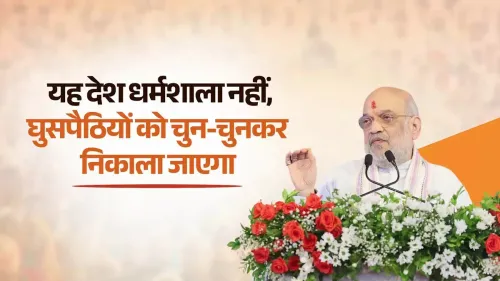
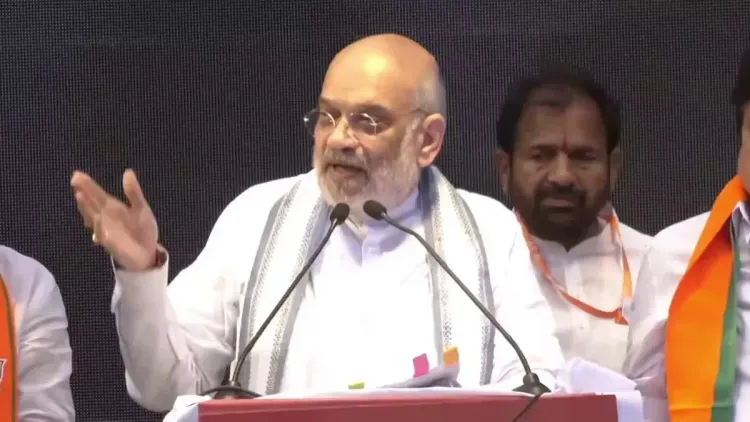
Quoting Home Minister Amit Shah verbatim, CM Gupta posted: 'Congress party SIR ko rok kar desh ki matdata suchi se Bangladeshi ghuspethiyon ko bachana chahti hai.' ['The Congress party wants to block SIR in order to protect Bangladeshi infiltrators in the country's voter list.'] Shah's statement, as shared by Gupta, issues a direct challenge to Rahul Gandhi: 'Put in all the effort you want, the Bharatiya Janata Party will not rest until every single infiltrator is removed from the voter list and from the country.'
What SIR Is — and Why It Has Become a Flashpoint
The acronym SIR — Special Intensive Revision of electoral rolls — sits at the heart of this political clash. Electoral roll revision exercises are conducted periodically by the Election Commission of India to update voter lists, add eligible citizens, and remove ineligible entries. The BJP has framed intensive revision drives as an essential tool for weeding out illegal immigrants who may have fraudulently enrolled as voters. The Congress and allied parties have questioned such exercises, arguing they risk disenfranchising genuine citizens — particularly minorities and the marginalised — through administrative error.
The accusation that the principal opposition party is 'protecting' infiltrators is among the most explosive charges in Indian electoral politics, striking simultaneously at questions of national security, demographic change, and democratic legitimacy.
Bangladesh Infiltration and the NRC Precedent
The BJP's political messaging on Bangladeshi illegal immigration has a long, documented lineage. Assam's National Register of Citizens, completed in 2019, was the most exhaustive state-level attempt to separate legal residents from illegal immigrants — a process that took decades and generated enormous controversy, ultimately leaving nearly 1.9 million people off the final list. The exercise exposed both the genuine scale of the challenge and the acute political and humanitarian sensitivities it triggers.
The BJP has consistently argued that illegal immigrants distort electoral outcomes, particularly in border states. Critics counter that citizenship-verification drives, if poorly implemented, function as instruments of political targeting. Both positions have hardened since 2019, and Shah's statement, as amplified by Gupta, signals the party intends to push this agenda into the electoral-roll domain ahead of future elections.
Gupta's Delhi Megaphone and the Hashtag Frame
By posting this statement under the hashtag #SaveDemocracyRemoveAnarchy, CM Gupta places the infiltration debate inside a broader narrative about democratic health — a framing that lets the BJP simultaneously invoke national security and constitutional values. Delhi, as the country's political capital and a city with significant migrant populations, provides a high-visibility platform for amplifying this message nationally.
The political arithmetic is deliberate: every time the Congress pushes back against voter-list purges, the BJP characterises that pushback as shielding illegal voters. Every time the BJP pursues such drives, the Congress frames it as an attack on minorities and the poor. Neither side is stepping back — and the electoral-roll becomes the battlefield for 2027 and beyond.
Point of View
Demographic anxiety, and democratic legitimacy, making it very difficult for the opposition to push back without being painted as soft on illegal immigration. The NRC precedent from Assam shows this terrain is legally and humanitarily treacherous, and the stakes rise sharply when the electoral calendar looms. Rekha Gupta's amplification from Delhi signals this is not a regional message — it is a national political offensive.
NationPress
3 Nov 2026
Frequently Asked Questions
What is SIR in the context of Indian elections?
SIR stands for Special Intensive Revision, a process by which the Election Commission of India comprehensively updates electoral rolls — adding eligible new voters and removing ineligible entries, including those who may have enrolled fraudulently.
Why is the BJP accusing Congress of blocking SIR?
The BJP, as stated by Home Minister Amit Shah and amplified by Delhi CM Rekha Gupta, alleges that the Congress party is opposing the Special Intensive Revision of voter lists in order to protect Bangladeshi illegal immigrants who may be enrolled as voters.
What is the NRC and how does it relate to this issue?
The National Register of Citizens in Assam, completed in 2019, was a major exercise to identify illegal Bangladeshi immigrants in the state. The BJP draws on this precedent to argue for extending citizenship-verification to voter rolls nationwide.
What did Amit Shah say about Bangladeshi infiltrators?
As quoted by Delhi CM Rekha Gupta, Shah declared that the BJP will not rest until every single Bangladeshi infiltrator is removed from the voter list and from the country, challenging Rahul Gandhi and the Congress to do their worst.
What is the Congress party's position on voter list revision?
The Congress and allied opposition parties have generally questioned or opposed mass electoral roll revision exercises, arguing that they risk disenfranchising legitimate voters — particularly minorities and economically marginalised communities — through administrative errors.