CM Rekha Gupta echoes Modi's 'Lab to Land' science vision at ESTIC2026

Synopsis
Delhi CM Rekha Gupta amplified PM Modi's 'Lab to Land' vision at ESTIC2026, quoting his call for science to leave the laboratory and improve ordinary lives — a philosophy with roots in India's 1979 ICAR programme and now extended across all sectors of governance.
Key Takeaways
Delhi CM Rekha Gupta shared a quote from PM Narendra Modi on 27 October 2026 at the ESTIC2026 science event.
The quoted message: 'The real success of science is when it steps out of the lab and improves everyday life — that is Lab to Land.' The Lab to Land concept was formally institutionalised by ICAR in 1979 to transfer agricultural research to farmers' fields.
Indian science policy has increasingly framed research impact in terms of societal benefit rather than pure academic output, especially since the mid-2010s.
Gupta's amplification signals that the Centre's science-to-society message is being actively adopted at the state level.
Specific programme announcements linked to #ESTIC2026 are the next indicator of how this philosophy translates into policy action.
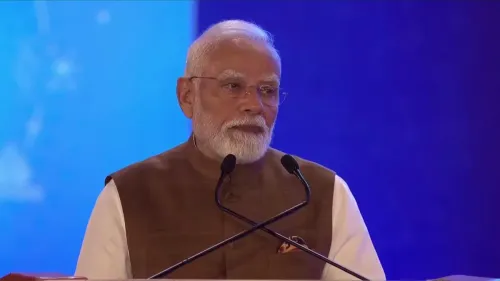
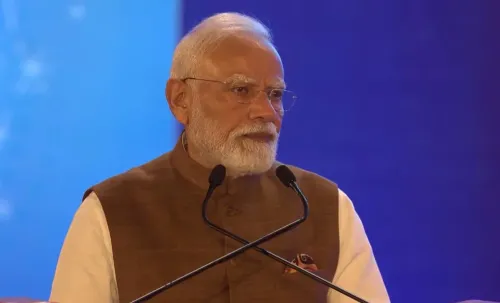
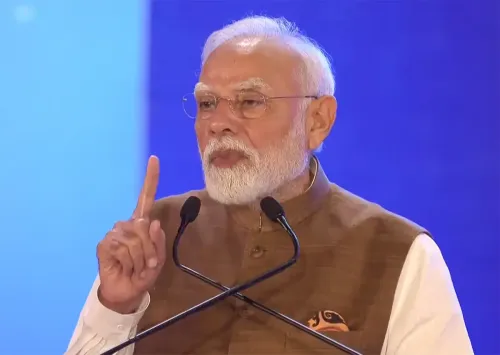
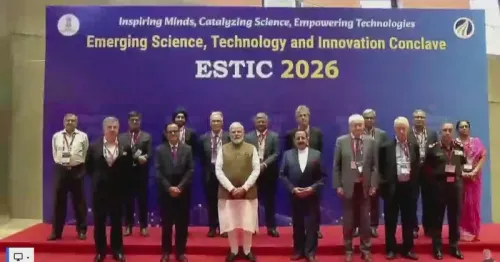
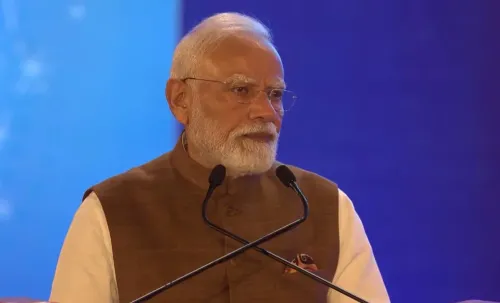
Science that stays inside a laboratory, Delhi Chief Minister Rekha Gupta reminded India on Tuesday, 27 October 2026, has not yet done its job. Sharing a pointed quote from Prime Minister Narendra Modi at what appears to be the ESTIC2026 science-and-technology event, Gupta placed the government's science philosophy in three words: Lab to Land.
Gupta's post carried Modi's words verbatim: 'Saiens ki asli safalta lab se nikalkar janajeevan ko behtar banana. Yahi hai Lab to Land, manavta ki seva mein vigyan' — 'The real success of science is when it steps out of the lab and improves everyday life. That is Lab to Land — science in the service of humanity.' The phrasing is deliberate, and it has a long institutional echo behind it.
A philosophy with roots going back to 1979
The phrase 'Lab to Land' is not new rhetoric. ICAR — the Indian Council of Agricultural Research — launched a formal Lab to Land programme as far back as 1979, designed specifically to carry agricultural research out of experiment stations and onto farmers' fields. Decades later, the same idea has been adopted as a governing principle across multiple science ministries and technology-dissemination missions, particularly since the mid-2010s. What has changed is the ambition: the frame now extends well beyond agriculture to health, energy, digital infrastructure, and space.
Indian leadership has consistently framed national science policy around practical societal impact rather than pure research output or publication counts — a posture that distinguishes India's public science narrative from many peer economies where basic research prestige tends to dominate the conversation.
Why CM Gupta's amplification matters
A Chief Minister sharing a Prime Minister's science-policy quote at a national event is a visible act of political alignment, but it also signals that the Lab to Land message is being pushed down from the Centre to state governments as an actionable priority rather than a slogan. Delhi, as home to a dense cluster of research institutions — from IIT Delhi to the CSIR complex at South Campus — is a natural site for this translation conversation.
The #ESTIC2026 hashtag points to a science-and-technology conclave of national scale, though the specific agenda and outcomes of the event have not been independently confirmed. Announcements linked to that forum are the clearest signal of where this philosophy is headed in policy terms.
India has spent decades building world-class research capacity; the standing question — and Modi's pointed answer — is whether that capacity compounds into better lives for ordinary citizens, or remains a laureate's achievement. The bet being placed at ESTIC2026 is firmly on the former.
Point of View
Rekha Gupta situates Delhi — one of India's densest research hubs — squarely within the BJP's science-as-service political narrative. The move reinforces a consistent Centre-state messaging alignment on technology governance that the BJP has cultivated since the mid-2010s. More broadly, the invocation of a philosophy originally rooted in agricultural extension suggests a deliberate attempt to democratise the idea of scientific progress — framing it not as elite achievement but as a delivery obligation to citizens. Whether that framing generates concrete programmatic follow-through at ESTIC2026 will determine its real political weight.
NationPress
27 Oct 2026
Frequently Asked Questions
What is the 'Lab to Land' concept in India?
'Lab to Land' refers to the principle of translating scientific research from laboratories into practical benefits for ordinary citizens. It was formally institutionalised by ICAR in 1979 for agricultural research and has since been adopted as a broader science-policy framework across multiple sectors of the Indian government.
What did PM Modi say about science at ESTIC2026?
PM Modi stated that the real success of science lies in stepping out of the laboratory and improving everyday life — encapsulating this as 'Lab to Land: science in the service of humanity.' Delhi CM Rekha Gupta shared these remarks on social media.
Why did Delhi CM Rekha Gupta post about the ESTIC2026 science event?
Gupta shared PM Modi's quote to amplify the central government's science-policy vision, signalling that Delhi's administration aligns with the 'Lab to Land' approach of making scientific research directly beneficial to citizens.
How long has India followed a 'Lab to Land' science policy?
India's formal Lab to Land initiative dates to 1979 when ICAR launched it to transfer agricultural research to farmers. The philosophy has since expanded across health, energy, digital infrastructure, and space sectors, becoming a recurring theme in Indian science governance since the mid-2010s.