CM Nayab Saini Signs ₹12,000 Cr MoUs on Day 1 of Gujarat Tour
Synopsis
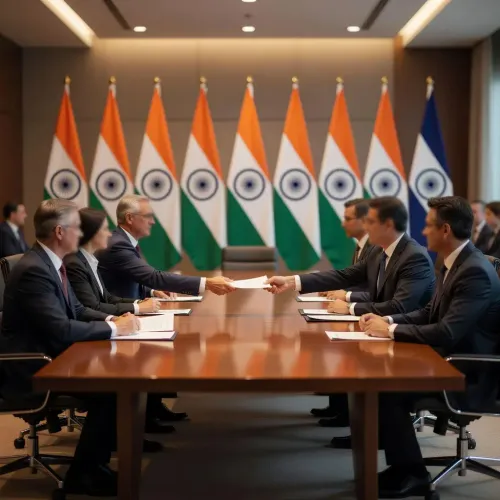
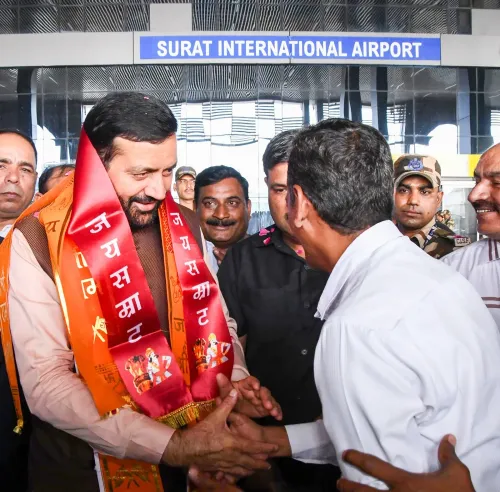
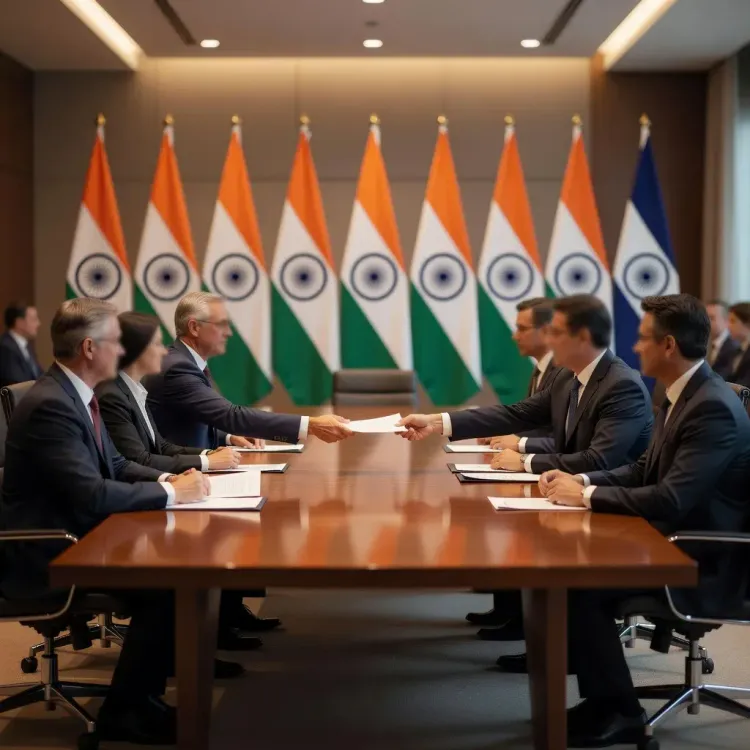
Haryana Chief Minister Nayab Saini signed MoUs worth approximately ₹12,000 crore on the first day of his Gujarat visit on 27 October 2026, signalling the state's aggressive inter-state pitch for manufacturing and industrial capital.
Key Takeaways
₹12,000 crore in investment MoUs were signed on day one of CM Nayab Saini's Gujarat visit on 27 October 2026 .
Haryana is targeting sectors such as automotive, electronics, and infrastructure through its inter-state investment promotion drive.
The tour leverages Gujarat's dense industrial ecosystem and investor networks to attract capital to Haryana.
The Haryana Enterprise Promotion Policy (launched 2015 , updated periodically) provides the policy backbone for these investment commitments.
Conversion of MoUs into operational ground-level projects remains the key variable to watch over the next 12–24 months.
Twelve thousand crore rupees in a single day. On the first day of his Gujarat visit, Haryana Chief Minister Nayab Saini signed investment agreements worth approximately ₹12,000 crore on Tuesday, 27 October 2026 — a headline number that signals Haryana's aggressive push to court capital in one of India's most business-friendly states.
What the MoUs mean for Haryana's industrial ambitions
The Chief Minister's Office of Haryana confirmed the development on X, describing the first day of CM Nayab Saini's Gujarat trip as culminating in the signing of multiple Memoranda of Understanding. While the specific sectors covered have not been officially detailed yet, Haryana has historically targeted automotive, electronics, and infrastructure capital — industries in which Gujarat already hosts a dense ecosystem of suppliers, financiers, and promoters.
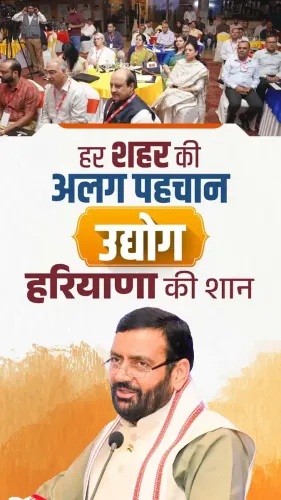
The Haryana Enterprise Promotion Policy, updated periodically since its 2015 launch, underpins these efforts by offering land acquisition support and financial incentives designed to fast-track project commitments. The Gujarat tour fits squarely within that framework.
Why Gujarat, and why now
India's federal investment race is intensifying. States increasingly travel to established industrial corridors — Gujarat being the foremost — to intercept capital before it anchors elsewhere. Gujarat's reputation as a regulatory fast-mover and its thick networks of large industrialists make it a logical hunting ground for a state like Haryana, which sits at the doorstep of Delhi's consumption market and the western freight corridor.
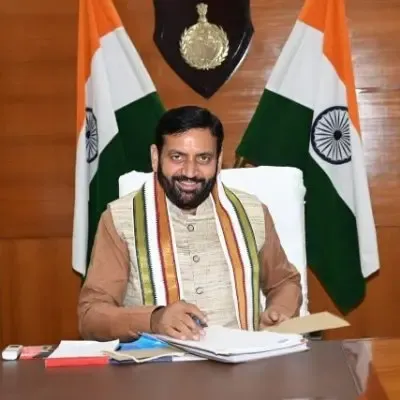
For CM Saini, who took office in March 2024, securing visible investment commitments serves a dual purpose: it reinforces his government's economic credentials and builds momentum ahead of further policy announcements. A ₹12,000 crore first-day figure — even at the MoU stage — carries significant signalling value.
The MoU-to-ground reality gap
The sharper question, as always, is conversion. Indian states collectively sign hundreds of thousands of crores in MoUs at investment summits and road shows every year; independent assessments consistently find that only a fraction translate into operational projects within a reasonable timeline. The remaining days of the Gujarat visit may yield additional commitments, but the real measure of this tour will come in how many of today's signatures break ground in Haryana within the next 18 to 24 months.
Investors and industry watchers will track whether the government follows through with single-window clearances and land allocation — the two pressure points that most often determine whether an MoU becomes a factory.
Point of View
000 crore first-day figure from CM Nayab Saini's Gujarat tour fits a well-established pattern of Indian states using inter-state road shows to signal economic momentum, particularly under BJP-governed states eager to demonstrate alignment with the Centre's 'Make in India' manufacturing push. For Saini — barely two years into his tenure — big MoU numbers project decisiveness and help build a growth narrative ahead of any political cycles. The harder policy test lies downstream: Haryana's single-window clearance infrastructure and land availability will determine whether this ₹12,000 crore headline translates into jobs and tax revenue or joins the long list of aspirational commitments that stall in implementation.
NationPress
28 Oct 2026
Frequently Asked Questions
What did Haryana CM Nayab Saini do in Gujarat on 27 October 2026?
On the first day of his Gujarat visit, Haryana Chief Minister Nayab Saini signed investment MoUs worth approximately ₹12,000 crore, according to the official Chief Minister's Office of Haryana.
What is the purpose of Nayab Saini's Gujarat tour?
The visit is an investment promotion tour aimed at attracting industrial and manufacturing capital to Haryana by engaging investors based in Gujarat's established business ecosystem.
What is the Haryana Enterprise Promotion Policy?
The Haryana Enterprise Promotion Policy, first launched in 2015 and updated periodically, is the state's flagship framework offering land, financial, and regulatory incentives to draw domestic and foreign manufacturing investments.
Will all MoUs signed during Haryana's Gujarat visit be implemented?
MoUs are investment intent agreements, not guaranteed projects. Conversion into actual ground-level investment depends on follow-through on land allocation, single-window clearances, and investor confidence — factors that historically determine whether such commitments become operational.
Why do Indian states like Haryana visit Gujarat for investment promotion?
Gujarat hosts a dense network of large industrialists, suppliers, and financiers and is widely regarded as a model for business-friendly policies, making it a prime destination for other states seeking to intercept capital commitments.