CM Rekha Gupta Hails India's 4 Gold Medals at IChO 2026
Synopsis
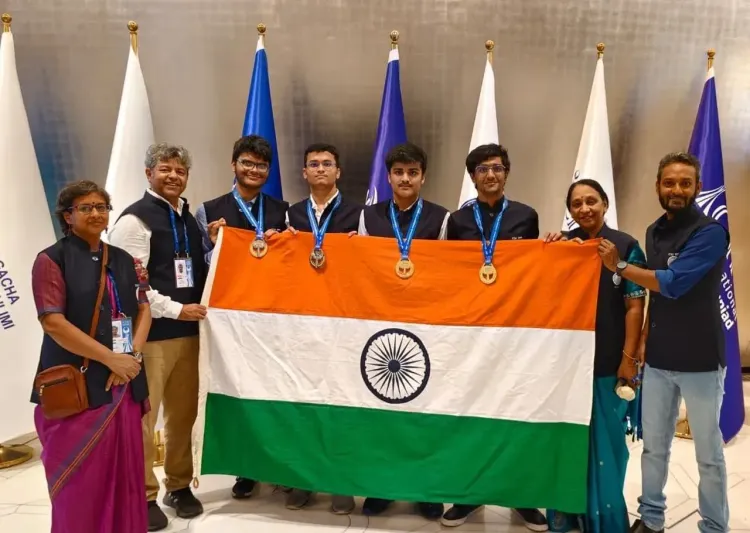
Delhi Chief Minister Rekha Gupta congratulated Debdatt Priyadarshi, Harshit Singhal, Kabir Chhillar, and Sandeep Kuchi for winning gold medals at the 58th International Chemistry Olympiad, calling the feat a symbol of India's youth potential and a pillar of the Viksit Bharat vision.
Key Takeaways
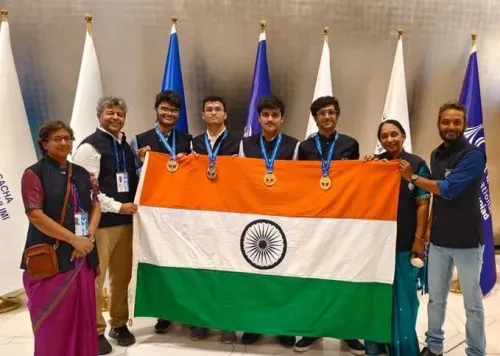
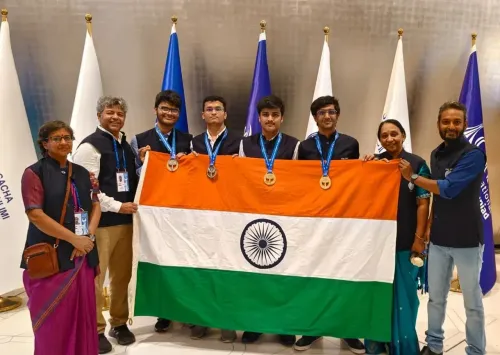
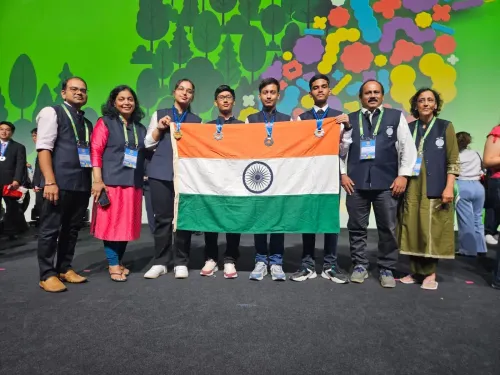
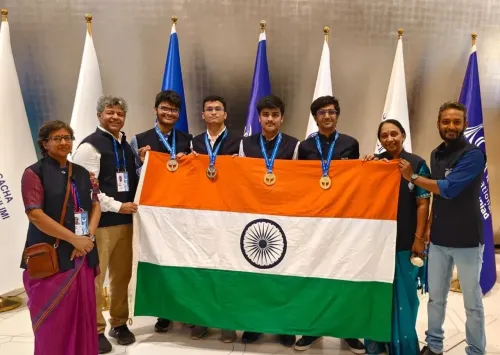
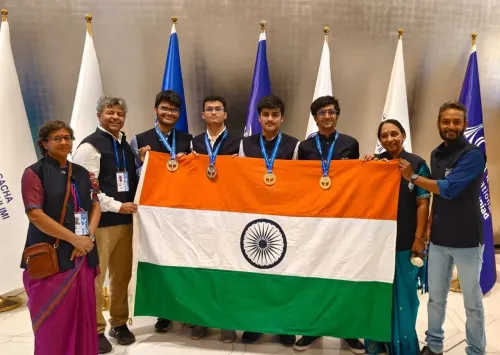
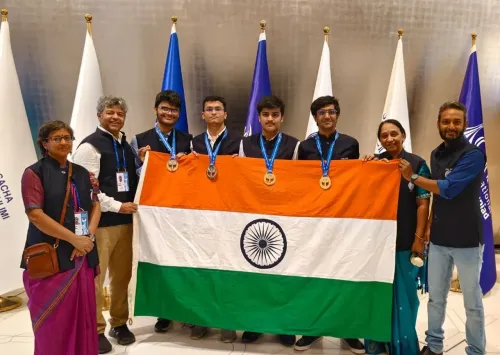
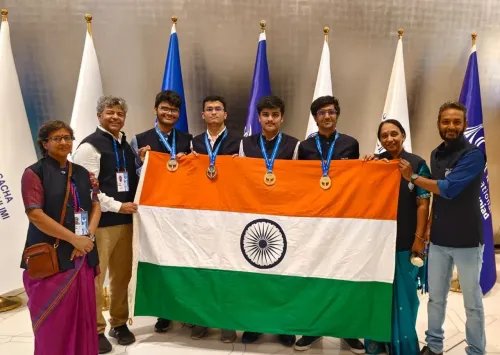
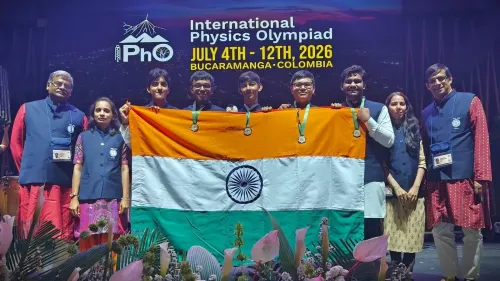
Debdatt Priyadarshi , Harshit Singhal , Kabir Chhillar , and Sandeep Kuchi won gold medals for India at the 58th International Chemistry Olympiad .
Delhi Chief Minister Rekha Gupta congratulated the four winners on 19 July 2026 via a post on X.
Gupta linked the achievement to the Viksit Bharat vision, calling the students the 'greatest force' behind India's future in science and global leadership.
India's IChO participation is supported by the Homi Bhabha Centre for Science Education , which manages national science olympiad training.
The IChO, first held in 1968 , is one of the most prestigious annual international science competitions for secondary school students.
Delhi Chief Minister Rekha Gupta on Sunday, 19 July 2026, congratulated four Indian students — Debdatt Priyadarshi, Harshit Singhal, Kabir Chhillar, and Sandeep Kuchi — for winning gold medals at the 58th International Chemistry Olympiad (IChO), calling their achievement a victory for the confidence of crores of young Indians.
Context
Gupta posted on X in Hindi, stating: '58वें अंतरराष्ट्रीय केमिस्ट्री ओलंपियाड में... स्वर्ण पदक जीतकर विश्व मंच पर भारत की मेधा का परचम लहरा दिया' — meaning the four students 'hoisted the flag of India's intellect on the world stage by winning gold medals at the 58th International Chemistry Olympiad.' She extended heartfelt congratulations and wished the four winners a bright future.
The International Chemistry Olympiad is an annual academic competition for secondary school students, first held in 1968, drawing participants from dozens of countries each year. A clean sweep of all four gold medals by an Indian team is a significant result at this global competition.
Policy Backdrop
India has fielded teams at the IChO for decades, with selection and training coordinated through the Homi Bhabha Centre for Science Education (HBCSE), an institution under the Department of Atomic Energy. The rigorous national selection pipeline identifies and grooms students through a series of examinations before they represent India internationally.
Gupta explicitly linked the students' achievement to the Viksit Bharat vision, the Government of India's stated goal to transform India into a developed nation by 2047. She described the new generation as 'the greatest force behind India's science, innovation, and global leadership.' Such framing by political leaders is consistent with the broader government messaging that connects olympiad success to India's long-term ambitions in science and technology.
Stakeholders and Impact
The four gold medallists — Debdatt Priyadarshi, Harshit Singhal, Kabir Chhillar, and Sandeep Kuchi — are the most direct beneficiaries of this recognition, which typically opens doors to premier science institutions and research opportunities in India and abroad. Science educators and coaching institutions that support olympiad preparation also stand to gain increased public attention and institutional support.
For India's broader STEM ecosystem, consistent performance at events like the IChO strengthens the case for sustained investment in science education infrastructure, olympiad training programmes, and talent identification at the school level. Political endorsement from senior leaders amplifies this signal to policymakers and education planners.
What's Next
Attention will now turn to any formal felicitation of the four winners by the central or state governments, a common follow-up to high-profile olympiad victories. The next IChO cycle will test whether India can sustain or build on this performance, and whether the current result prompts any concrete announcements around science olympiad training infrastructure or funding. The government's response to such achievements often shapes the pipeline for the next generation of science competitors.
Point of View
Reinforcing the idea that scientific excellence is both a national priority and a political deliverable. By naming all four winners and invoking the 2047 vision in the same breath, the CM positions the party as a stakeholder in India's STEM success story. The move also signals Delhi's intent to be seen as a champion of youth achievement in a city where education policy is a perennial electoral battleground. Such messaging, while ceremonial in form, carries strategic weight in building a long-term association between governance and academic excellence.
NationPress
20 Jul 2026
Frequently Asked Questions
Who won gold medals at the 58th International Chemistry Olympiad for India?
Four Indian students — Debdatt Priyadarshi, Harshit Singhal, Kabir Chhillar, and Sandeep Kuchi — won gold medals for India at the 58th International Chemistry Olympiad.
What is the International Chemistry Olympiad?
The International Chemistry Olympiad (IChO) is an annual academic competition for secondary school students in chemistry, first held in 1968, with participants from dozens of countries worldwide.
What did Delhi CM Rekha Gupta say about the IChO gold medallists?
CM Rekha Gupta called their victory 'a victory of the confidence of crores of young people' and described the new generation as the greatest force behind India's science, innovation, and global leadership under the Viksit Bharat framework.
What is Viksit Bharat and how does it relate to science olympiads?
Viksit Bharat is the Government of India's vision to make India a developed nation by 2047, with science and technology as key pillars. Political leaders frequently cite olympiad successes as evidence of progress toward this goal.
Which organisation trains India's IChO team?
India's IChO team is selected and trained through the Homi Bhabha Centre for Science Education (HBCSE), which operates under the Department of Atomic Energy and runs the national science olympiad programme.