CM Rekha Gupta Honours Rezang La Martyrs at Delhi Event
Synopsis
On the 64th anniversary of the Battle of Rezang La, Delhi Chief Minister Rekha Gupta attended the Shri Krishna Yadav Mahasabha's tribute event at Talkatora Stadium, honouring the 114 soldiers of the 13 Kumaon Regiment who died under Major Shaitan Singh's command during the 1962 Sino-Indian War.
Key Takeaways
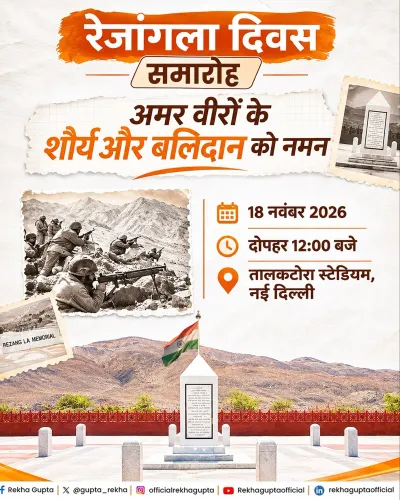
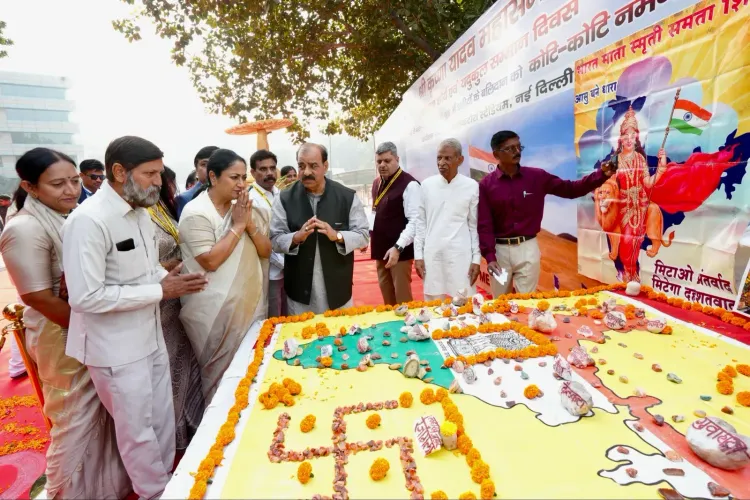
Delhi CM Rekha Gupta attended the Rejangla Shaurya evam Yadukul Samman Diwas at Talkatora Stadium on 18 November 2026 .
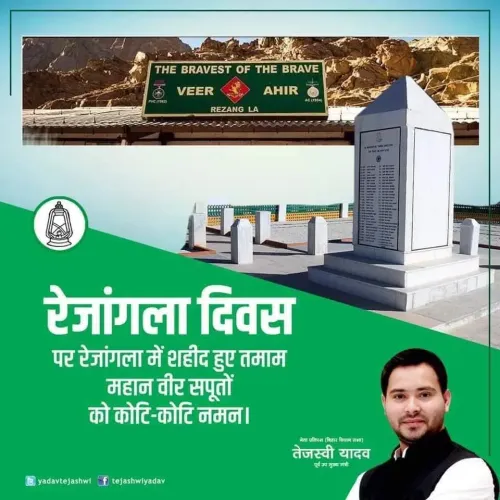
The event marked the 64th anniversary of the Battle of Rezang La , fought on 18 November 1962 during the Sino-Indian War.
114 soldiers of the 13 Kumaon Regiment were killed defending Rezang La; the battle is considered one of the finest last-stand actions in Indian military history.
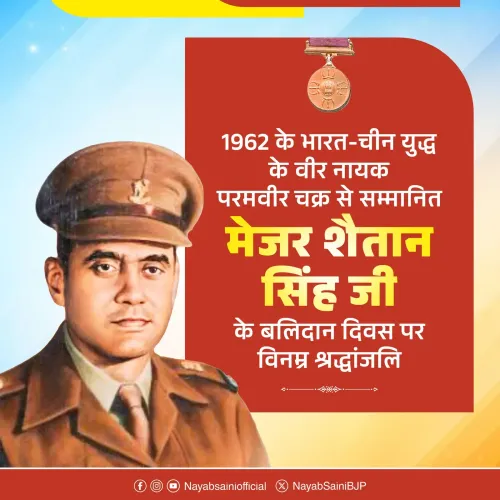
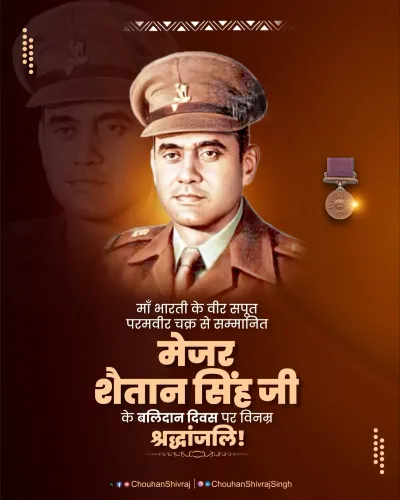
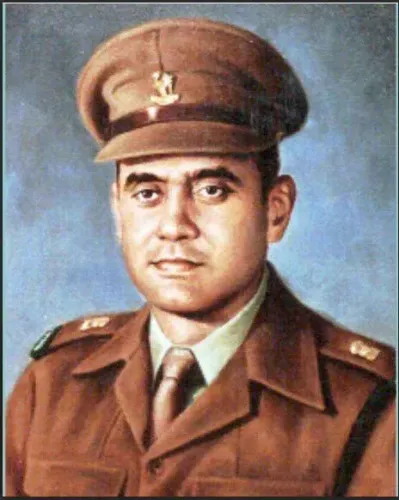
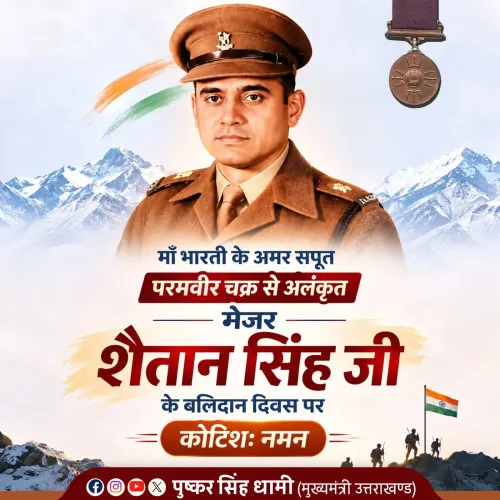
Major Shaitan Singh , who commanded C Company at Rezang La, was posthumously awarded the Param Vir Chakra .
The programme was organised by the Shri Krishna Yadav Mahasabha and was attended by BJP leaders including Rajya Sabha MP Arun Singh and Haryana's former Deputy Speaker Santosh Yadav .
Sixty-four years to the day after 114 soldiers of the 13 Kumaon Regiment gave their lives on the frozen heights of Rezang La, Delhi Chief Minister Rekha Gupta stood at Talkatora Stadium on Wednesday, 18 November 2026 to pay tribute to the men who held the line — and never came back.
The occasion was the Rejangla Shaurya evam Yadukul Samman Diwas (Rezang La Valour and Yadukul Honour Day), organised by the Shri Krishna Yadav Mahasabha. Attending the event, CM Gupta said the battle reminds the nation that 'nothing is greater than the honour, pride, and glory of Mother India', adding that 'the nation will remain forever indebted to these brave soldiers.'
The Last Stand at Rezang La — 18 November 1962
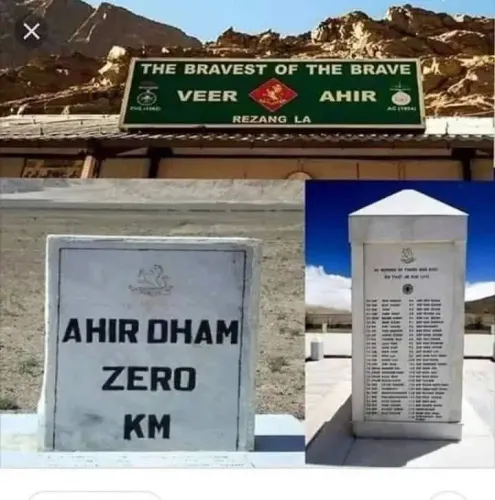
On that date in 1962, during the Sino-Indian War, C Company of the 13 Kumaon Regiment — outnumbered and at an altitude of over 16,000 feet in Ladakh — fought off a massive Chinese assault under the command of Major Shaitan Singh. The company was nearly wiped out to the last man. 114 soldiers were killed defending their position; none abandoned it.
Major Shaitan Singh was posthumously awarded the Param Vir Chakra, India's highest wartime gallantry honour, for his leadership that day. The battle has since become a defining symbol of Indian military resolve — a small company that chose death over retreat against overwhelming odds.
Who Was in the Hall at Talkatora
The gathering drew prominent political figures alongside community leaders. Arun Singh, former National General Secretary of the BJP and sitting Rajya Sabha MP, attended alongside Rajesh Yadav, Vice-President of BJP Uttar Pradesh, and Santosh Yadav, former Deputy Speaker of the Haryana Legislative Assembly. The cross-state presence underlined the event's reach beyond Delhi's political boundaries.
Remembrance as a Living Ritual
The Shri Krishna Yadav Mahasabha's decision to combine regimental remembrance with a community honour day reflects a broader pattern: in India, wartime commemoration and community identity often interweave, reinforcing both national pride and social solidarity. Many of the soldiers who fought at Rezang La were drawn from Ahir (Yadav) communities of Haryana, giving the event a deeply personal resonance for attendees.
Indian political leaders across the spectrum have attended such commemorations with increasing visibility — a recognition that the 1962 war remains an open wound in national memory, one that speaks directly to contemporary anxieties about the India-China border.
The soldiers of Rezang La did not ask whether anyone would remember. The question now is whether the remembrance translates into lasting action — on veteran welfare, on border memorials, on the terms India sets for itself at altitude.
Point of View
CM Rekha Gupta aligns Delhi's BJP government with a potent combination of military nationalism and Yadav community outreach — a pairing that carries clear electoral undertones in a city-state that has repeatedly seen contests decided on caste arithmetic. The choice of Rezang La is particularly pointed: the battle, fought exactly 64 years ago today, sits at the intersection of unresolved India-China border tensions and the question of how India honours its war dead. For the BJP, amplifying 1962 narratives serves a dual purpose — it stresses Chinese aggression at a time when boundary talks remain sensitive, and it ties the party to a tradition of sacrifice that transcends normal political calculation.
NationPress
18 Nov 2026
Frequently Asked Questions
What happened at the Battle of Rezang La in 1962?
On 18 November 1962, during the Sino-Indian War, C Company of the 13 Kumaon Regiment — about 114 soldiers led by Major Shaitan Singh — defended the high-altitude pass of Rezang La in Ladakh against a vastly larger Chinese force. Nearly the entire company was killed in action, but they held their position to the last man. Major Shaitan Singh was posthumously awarded the Param Vir Chakra for his leadership.
Who is Major Shaitan Singh and what award did he receive?
Major Shaitan Singh commanded C Company of the 13 Kumaon Regiment at Rezang La during the 1962 Sino-Indian War. He was posthumously awarded the Param Vir Chakra, India's highest wartime gallantry honour, for leading his troops in a heroic defence that cost him and most of his men their lives.
What is the Rejangla Shaurya evam Yadukul Samman Diwas?
It is an annual commemoration organised by the Shri Krishna Yadav Mahasabha that honours both the soldiers who fell at Rezang La and the Yadav (Ahir) community from which many of those soldiers came. The 2026 edition was held at Talkatora Stadium in New Delhi on 18 November.
Why did Delhi CM Rekha Gupta attend the Rezang La event?
CM Rekha Gupta attended the event to pay tribute to the 114 martyrs of the 13 Kumaon Regiment on the 64th anniversary of the battle. In her remarks, she described their sacrifice as an eternal reminder that nothing exceeds the honour and glory of the motherland.
Where is Rezang La located?
Rezang La is a high-altitude mountain pass in the Chushul sector of Ladakh, situated at approximately 16,000 feet. It was the site of one of the fiercest and most celebrated engagements of the 1962 Sino-Indian War.