CM Rekha Gupta Launches Yamuna Revival Projects With Amit Shah

Synopsis
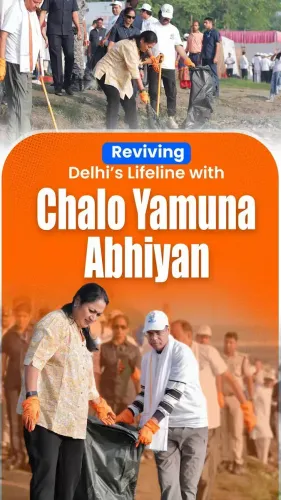
Delhi Chief Minister Rekha Gupta and Union Home Minister Amit Shah laid the foundation for Yamuna rejuvenation projects on 22 October 2026, marking a high-profile Central-state push to revive one of India's most polluted urban rivers after three decades of incomplete cleanup drives.
Key Takeaways
Delhi CM Rekha Gupta hosted a foundation-laying ceremony for Yamuna rejuvenation projects on 22 October 2026 .
Union Home Minister Amit Shah was present in person, signalling strong Central government involvement.
The Yamuna Action Plan was first launched in 1993 with Japanese assistance to build sewage treatment plants along the river.
Subsequent phases under the National River Conservation Plan expanded treatment capacity and drain interception but implementation gaps persisted over three decades.
Key bodies involved include the Ministry of Jal Shakti , urban development authorities, and the Delhi government .
Measurable improvement in biochemical oxygen demand levels in the Delhi stretch of the Yamuna remains the critical benchmark to watch.
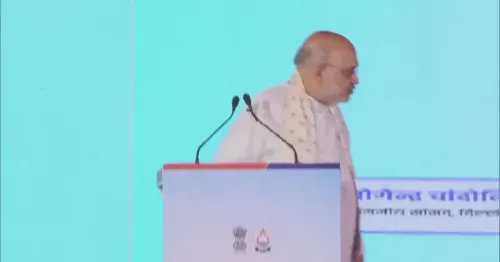
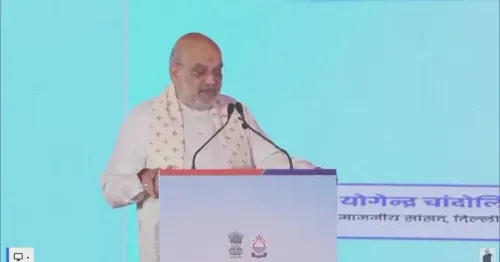
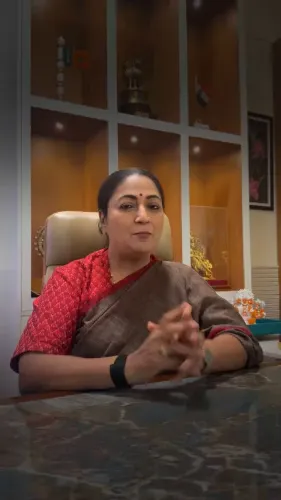
After decades of failed promises and stalled cleanup drives, the Yamuna River — the lifeline that flows through the heart of New Delhi — became the centrepiece of a major political and administrative moment on Thursday, 22 October 2026. Delhi Chief Minister Rekha Gupta presided over the foundation-laying ceremony for a set of Yamuna rejuvenation projects, with Union Home Minister Amit Shah present in person to mark the occasion.
Chief Minister Gupta announced the event live on social media, posting: 'केंद्रीय गृह मंत्री श्री अमित शाह जी की उपस्थिति में यमुना पुनर्जीवन परियोजनाओं का शिलान्यास' — which translates as 'Foundation-laying of Yamuna rejuvenation projects in the presence of Union Home Minister Shri Amit Shah Ji.' The high-profile presence of the Home Minister signals that the Centre is treating this not as routine civic upkeep but as a flagship environmental commitment.
Why the Yamuna Still Waits for Its Revival
The Yamuna Action Plan, first launched in 1993 with Japanese financial assistance, set out to build sewage treatment plants and intercept the drains that pour raw effluent into the river. Subsequent phases and components under the National River Conservation Plan in the early 2000s expanded that ambition — more interception channels, greater treatment capacity, desiltation of drains. Yet the river's biochemical oxygen demand levels through the Delhi stretch have remained among the worst in the country, a stubborn indictment of implementation gaps over three decades.
The core problem has always been coordination: the Ministry of Jal Shakti, urban development bodies, and successive Delhi governments have each held a piece of the puzzle without consistently fitting them together. Today's ceremony, with a senior Central minister and the Chief Minister on the same stage, is at least a visual answer to that long-standing coordination deficit.
What Comes Next for Delhi's River
The specific scope and cost of the projects inaugurated today have not yet been officially detailed in the public record. What the research trail does show is that meaningful Yamuna recovery hinges on measurable outcomes — particularly a reduction in biochemical oxygen demand in the river's most polluted Delhi stretch — rather than the laying of cornerstones alone.
Delhi residents and Yamuna basin farmers are the communities with the most riding on delivery. For them, the question is not whether a foundation stone was placed, but whether treatment plants come online, drains get intercepted, and the water they see changes colour and smell within a verifiable timeline.
Three decades of cleanup plans have taught one lesson above all: the Yamuna does not grade on effort. It grades on execution.
Point of View
Which historically hampered Yamuna projects under different administrations, has given way to alignment. Anchoring the event to a senior Central figure also shifts accountability upward, raising the reputational stakes for delivery. After three failed phases of the Yamuna Action Plan, the political calculus is clear: the BJP-led dispensation at both levels needs a visible, tangible environmental win in the capital ahead of future electoral cycles. The real test will be whether this coordination holds through construction, funding release, and commissioning — the stages where previous plans quietly unravelled.
NationPress
22 Oct 2026
Frequently Asked Questions
What is the Yamuna rejuvenation project inaugurated by Rekha Gupta and Amit Shah?
On 22 October 2026 , Delhi CM Rekha Gupta and Union Home Minister Amit Shah jointly laid the foundation for a set of Yamuna rejuvenation projects aimed at reducing pollution in the river as it flows through New Delhi . The specific components and costs have not yet been officially detailed.
Why is the Yamuna River so polluted in Delhi?
The Yamuna's severe pollution in Delhi is primarily caused by untreated sewage and industrial effluents discharged into the river. Despite the Yamuna Action Plan launched in 1993 and multiple subsequent phases, gaps in sewage treatment plant capacity and drain interception have left the Delhi stretch among the most polluted in the country.
What is the Yamuna Action Plan?
The Yamuna Action Plan is a series of pollution abatement projects first launched in 1993 with Japanese financial assistance. It aimed to construct sewage treatment plants and intercept drains feeding into the river, and was later expanded under the National River Conservation Plan in the early 2000s.
Why was Amit Shah present at the Yamuna project event in Delhi?
Union Home Minister Amit Shah attended the foundation-laying ceremony as a signal of the Central government's direct involvement and commitment to the Yamuna cleanup. His presence alongside Delhi CM Rekha Gupta underscored coordination between the Centre and the Delhi government on the project.
How will success of the Yamuna rejuvenation projects be measured?
Experts and environmental bodies typically measure Yamuna recovery through reductions in biochemical oxygen demand (BOD) levels in the river's Delhi stretch, along with the commissioning of new sewage treatment plants and the interception of polluting drains. These are the benchmarks to watch as projects move from foundation-laying to construction.