CM Rekha Gupta meets Gadkari on Delhi road decongestion
Synopsis
Delhi Chief Minister Rekha Gupta met Union Road Transport Minister Nitin Gadkari on November 2, 2026, discussing the progress of ongoing decongestion projects and road network expansion in Delhi, and thanking the Centre for its cooperation on behalf of all Delhi residents.
Key Takeaways
Delhi CM Rekha Gupta held a courtesy meeting with Union Minister Nitin Gadkari on November 2, 2026 .
Discussions centred on progress of various decongestion projects underway in Delhi and road network expansion plans.
Gupta conveyed the gratitude of all Delhi residents for the Centre's support in improving city roads and easing traffic.
Nitin Gadkari has headed the Union Road Transport Ministry since 2014 , overseeing the Bharatmala Pariyojana launched in 2015 .
With BJP at both the Centre and Delhi state, coordination on urban road infrastructure is proceeding at senior ministerial level.
Timelines for specific Delhi decongestion projects and any fresh announcements are the key developments to watch next.
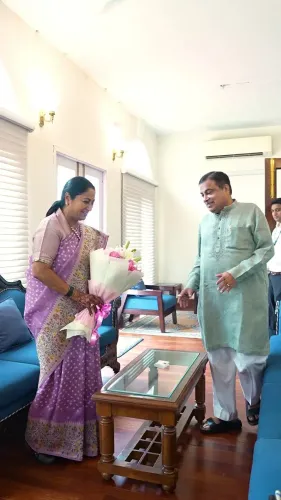
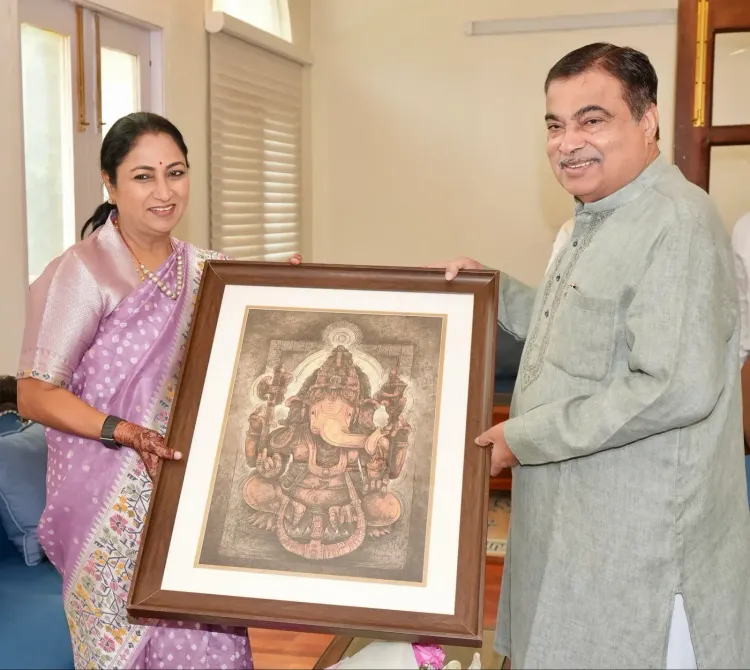
Delhi's gridlock problem got a high-level hearing on Monday, November 2, 2026, as Delhi Chief Minister Rekha Gupta called on Union Minister for Road Transport and Highways Nitin Gadkari in a courtesy meeting focused squarely on the capital's road network and ongoing decongestion projects.
Gupta posted on X: 'माननीय केंद्रीय सड़क परिवहन एवं राजमार्ग मंत्री श्री Nitin Gadkari जी से शिष्टाचार भेंट की।' — 'I paid a courtesy call on the honourable Union Minister for Road Transport and Highways, Shri Nitin Gadkari.' The Chief Minister said the meeting covered detailed discussions on the progress of 'various decongestion projects underway in Delhi' and the expansion of the road network, and conveyed the gratitude of all Delhi residents for the Centre's continued cooperation in improving city roads and easing traffic flow.
Why Gadkari is central to Delhi's road future
Nitin Gadkari has led the Union Ministry of Road Transport and Highways since 2014, driving one of the most aggressive national highway construction programmes India has seen. Under his watch, the Bharatmala Pariyojana — launched in 2015 — became the primary vehicle for expanding highway connectivity and channelling funds into urban decongestion corridors, including in the Delhi NCR region.
For a city that ranks among the most congested in the world, the ministry's role is not ceremonial. National highways feed directly into Delhi's arterial network, and any expansion or grade-separation project at the city's edge requires coordinated clearances and funding between NHAI, the Delhi PWD, and the state government. Gupta's meeting signals that those coordination threads are active at the highest level.
Centre-state road coordination — a pattern with stakes
Meetings between Delhi's chief minister and the Union road ministry have historically preceded announcements on flyovers, elevated corridors, and ring-road upgrades. The BJP leading both the Centre and Delhi's government has smoothed some of the inter-agency friction that plagued earlier periods — making this kind of direct ministerial review a routine but consequential checkpoint.
Delhi commuters — who absorb the daily cost of incomplete or delayed decongestion work in lost hours and fuel — are the silent stakeholders in every such meeting. How quickly projects move from progress review to ground-level execution is what will determine whether the goodwill expressed today translates into faster roads tomorrow.
The next signal to watch: whether this meeting is followed by a joint central-state announcement on specific project timelines or fresh allocations for Delhi's road network expansion.
Point of View
Visible engagement with a high-profile Union minister like Gadkari serves a dual purpose: pushing actual project progress and demonstrating governance momentum to Delhi voters. Gadkari's ministry controls funding and NHAI approvals that Delhi's road ambitions depend on, making the relationship strategically essential. Whether this review translates into accelerated timelines will be the real test of the coordination on display.
NationPress
2 Nov 2026
Frequently Asked Questions
Why did Delhi CM Rekha Gupta meet Nitin Gadkari?
Rekha Gupta met Union Minister Nitin Gadkari on November 2, 2026, to review the progress of ongoing road decongestion projects in Delhi and discuss the expansion of the city's road network, while also thanking the Centre for its support.
What are Delhi's decongestion projects?
Delhi has multiple road decongestion initiatives coordinated between NHAI, the Delhi PWD, and the state government, focusing on grade separations, flyovers, and elevated corridors to ease the capital's chronic traffic congestion. Specific project details from the November 2 meeting have not been officially announced.
What is Bharatmala Pariyojana and how does it affect Delhi?
Bharatmala Pariyojana is a central government highway expansion programme launched in 2015. It covers national highway development and urban decongestion corridors, including projects that feed into and around Delhi's road network.
How long has Nitin Gadkari been Road Transport Minister?
Nitin Gadkari has served as India's Union Minister for Road Transport and Highways since 2014, overseeing one of the country's most expansive highway construction programmes.