CM Rekha Gupta Orders FIRs Against Illegal Hoardings, Diwali Clean-Up Drive
Synopsis
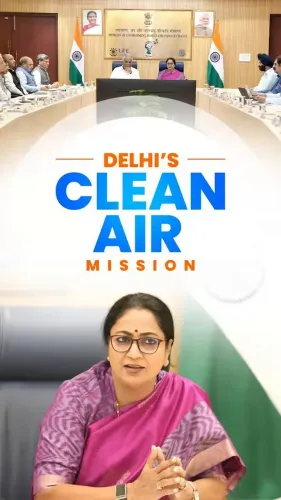
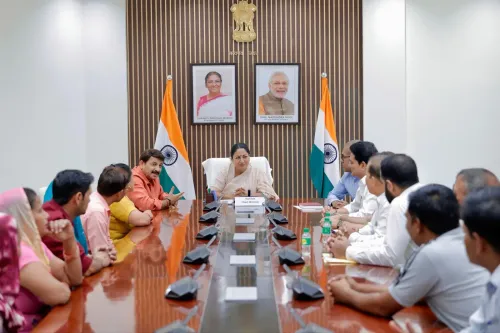
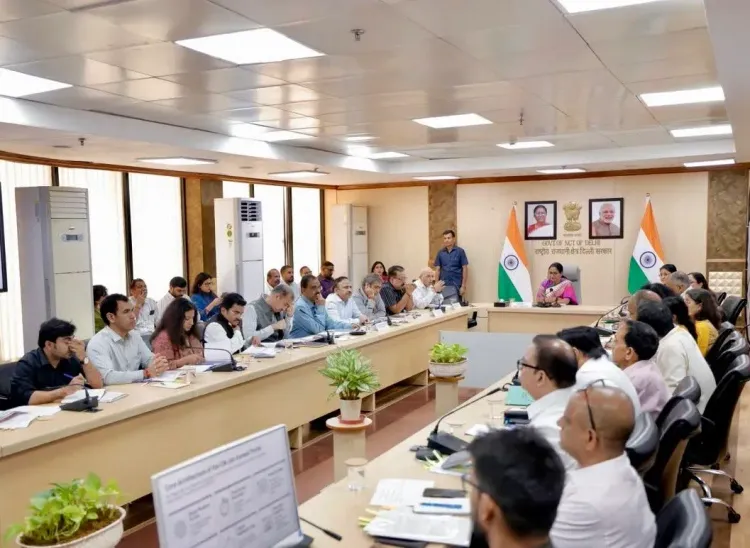
Delhi Chief Minister Rekha Gupta chaired a meeting at the Delhi Secretariat on October 16, directing all department heads to file FIRs against illegal hoardings on public property and ensure complete removal of waste from government premises ahead of Diwali, under her #ViksitDelhi agenda.
Key Takeaways
FIRs will be registered against individuals and entities putting up illegal posters and hoardings on public property in Delhi.
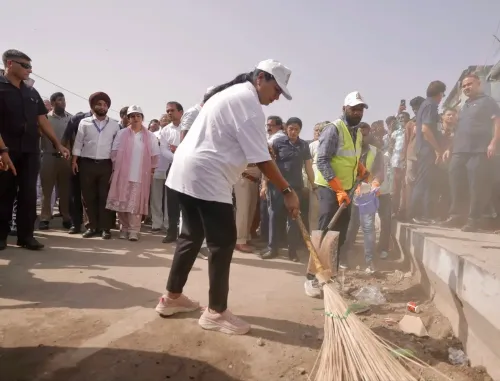
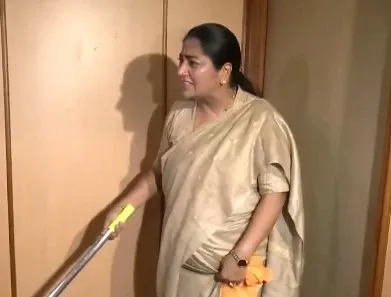
All government premises and related areas must be cleared of garbage and debris before Diwali .
Directives were issued directly to all department heads at a meeting held at the Delhi Secretariat on October 16, 2026 .
Delhi CM Rekha Gupta invoked criminal law enforcement — not just removal notices — for the hoarding crackdown.
The move aligns with the #ViksitDelhi governance push and builds on the Swachh Bharat Mission framework launched in 2014 .
With Diwali days away, Delhi Chief Minister Rekha Gupta has put the city's bureaucracy on notice — clean up the capital or face consequences. At a high-level meeting held at the Delhi Secretariat on Friday, October 16, she issued sharp directives to all department heads: illegal posters and hoardings on public property will attract FIRs, and every government premise must be cleared of waste and debris before the festival.
Posting on X in Hindi, the Chief Minister stated: 'FIRs will be registered under the relevant law against those who dirty the city by putting up illegal posters and hoardings on public property. Additionally, garbage and debris will be removed from all government premises and related areas before Diwali to ensure cleanliness.' She tagged the post with #ViksitDelhi — Viksit Delhi (Developed Delhi) — the civic-progress frame her administration has been pushing.Two-Pronged Crackdown at the Secretariat
The meeting was notable for pairing two issues that urban administrators often treat separately. The anti-hoarding order addresses a persistent eyesore: political parties, commercial operators, and event promoters routinely plaster Delhi's walls, flyover pillars, and public infrastructure with unauthorised posters, and enforcement has historically been uneven. By invoking criminal law — FIRs rather than mere removal notices — the directive signals a harder edge.
The cleanliness order, meanwhile, targets government-controlled spaces specifically, an implicit acknowledgement that state-owned premises are often among the worst offenders for accumulated waste. Issuing the directive from the Delhi Secretariat itself, in front of all department heads, ensures no official can later claim they weren't in the room.
Pre-Diwali Drives: Routine Order or Real Enforcement?
Pre-festival clean-up drives are a well-worn feature of Indian urban governance. State governments across the country issue similar instructions ahead of Diwali, Holi, and other major festivals, with results that vary sharply by follow-through. The Swachh Bharat Mission, launched in 2014, gave these periodic drives a formal national framework, linking civic cleanliness to broader developmental goals.
What distinguishes today's directive is the explicit FIR threat against illegal hoardings — a step beyond the standard 'removal drive' — and the direct accountability mechanism of summoning department heads rather than routing instructions through junior officials. Whether that translates into measurable change across Delhi's sprawling government estate before Diwali will depend entirely on execution.
The capital's residents will have a clear, visible benchmark: how many hoardings stay up, and how many government compounds greet the festival filthy. Bureaucrats have been put on notice. The calendar is the judge.
Point of View
She raises the stakes and creates a measurable accountability trail. The #ViksitDelhi tag signals this is intended as a governance brand moment, not just a seasonal drive. The real test will be whether the machinery she commands can convert a secretariat directive into street-level results before the festival.
NationPress
16 Oct 2026
Frequently Asked Questions
What did Delhi CM Rekha Gupta announce about illegal hoardings?
CM Rekha Gupta announced that FIRs will be filed under relevant law against anyone putting up illegal posters and hoardings on public property in Delhi, going beyond simple removal orders to criminal enforcement.
What is the pre-Diwali clean-up order issued by Rekha Gupta?
She directed all government department heads to ensure garbage and debris are cleared from all government premises and related areas before Diwali 2026.
Where was the meeting held and who attended?
The meeting was held at the Delhi Secretariat on October 16, 2026, and was attended by all department heads who were given strict instructions on both cleanliness and hoarding enforcement.
What is #ViksitDelhi?
#ViksitDelhi, meaning 'Developed Delhi', is a civic and governance tag used by the Rekha Gupta administration to brand urban development and public-order initiatives in the capital.
Is there a law against illegal hoardings in Delhi?
Yes, Delhi has municipal and defacement-of-property laws under which authorities can act against illegal posters and hoardings on public infrastructure; CM Gupta's directive specifically calls for FIRs under these provisions.