PM Surya Ghar Yojana: Zero bills, net metering income for Chhattisgarh, Odisha families
Synopsis
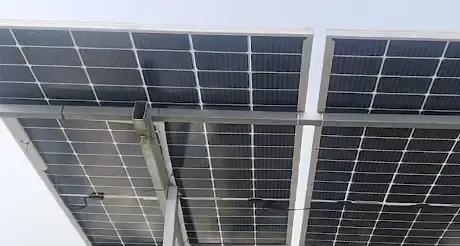
Households in Chhattisgarh and Odisha are reporting zero electricity bills after installing rooftop solar systems under the PM Surya Ghar Muft Bijli Yojana — with one beneficiary pocketing ₹1.08 lakh in combined Central and state subsidies. The net metering component is quietly turning ordinary households into micro power producers, signalling a real-world shift in India's household energy equation.
Key Takeaways
Beneficiaries of the PM Surya Ghar Muft Bijli Yojana in Chhattisgarh and Odisha reported zero monthly electricity bills on 16 October 2026 .
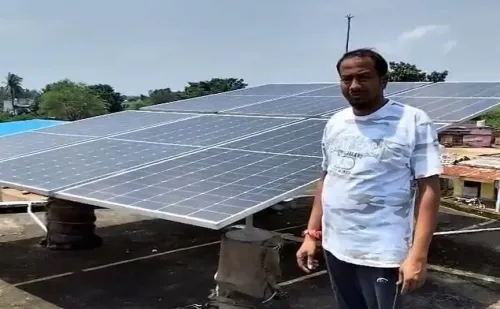
Beneficiary Rudra Prakash Sahu of Dhamtari, Chhattisgarh installed a 3-kilowatt system and received ₹78,000 from the Centre and ₹30,000 from the state government.
Surplus electricity from rooftop panels is fed back to the grid via net metering , creating potential additional household income.
Bijay Kumar Mishra of Kendujhar, Odisha reported a drastic reduction in electricity bills and improved convenience for daily work.
The scheme is jointly implemented by the Centre and state governments as part of India's household-level renewable energy push.
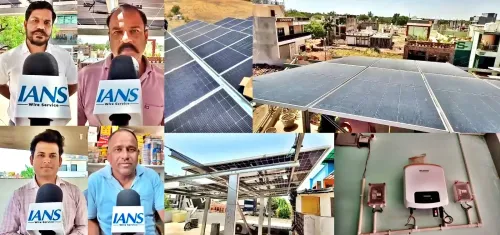
Beneficiaries of the Pradhan Mantri Surya Ghar Muft Bijli Yojana in Chhattisgarh and Odisha on 16 October 2026 reported that the rooftop solar scheme has eliminated their monthly electricity bills entirely and opened the door to additional income through net metering — where surplus power generated by household panels is fed back into the grid. The scheme, jointly implemented by the Centre and state governments, is being positioned as a pillar of India's household energy self-reliance push.
How the Scheme Works on the Ground
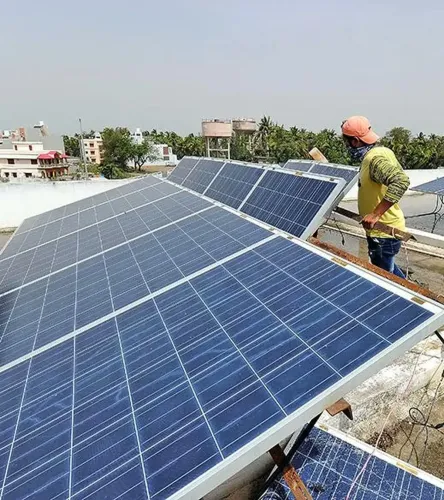
Under the PM Surya Ghar Muft Bijli Yojana, eligible households receive subsidies from both the Central and state governments to install rooftop solar panels. The scheme aims to provide affordable and sustainable energy to citizens across the country, with a particular focus on reducing the financial burden of electricity costs on low- and middle-income families.
Rooftop installations are connected to the local grid via net metering arrangements, allowing households to earn credits or income from the surplus power they generate — effectively turning energy consumers into micro-producers.
Voices from Chhattisgarh: Dhamtari District
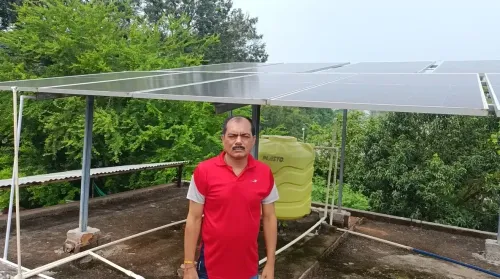
In Dhamtari district of Chhattisgarh, residents reported significant relief from what had previously been a persistent household burden. Beneficiary Rudra Prakash Sahu said he installed a 3-kilowatt solar panel system on his rooftop and has since paid nothing on his electricity account.
'I received a subsidy of ₹78,000 from the Central government and ₹30,000 from the state government, which has provided me with significant financial relief,' Sahu said. He noted that monthly electricity bills had previously been a major household challenge. 'Furthermore, the surplus electricity generated by the system is fed back into the grid through net metering, creating the potential for additional income,' he added, expressing gratitude to Prime Minister Narendra Modi for the welfare initiative.
Odisha Beneficiary Reports Greater Convenience
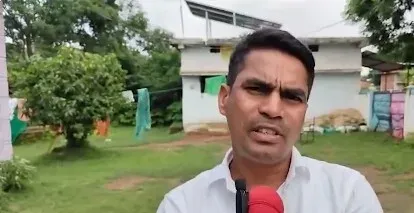
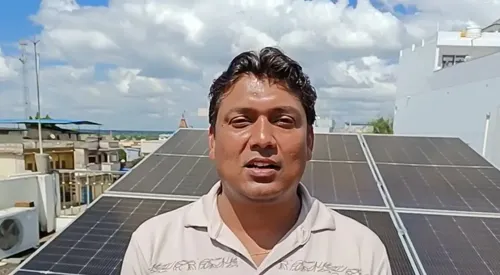
Bijay Kumar Mishra from Kendujhar in Odisha echoed similar sentiments. 'A solar system has been installed at our home under the PM Surya Ghar scheme. The electricity bill has come down drastically. Previously, we also faced a lot of inconvenience while working, but now it has become very convenient,' Mishra said.
His remarks point to a secondary benefit beyond cost savings — reliable daytime power supply that reduces dependence on grid outages, which remain a concern in several parts of eastern India.
Broader Significance and What's Next
The scheme contributes to India's wider renewable energy goals and is designed to drive household-level environmental impact alongside financial savings. By pairing subsidy support with net metering infrastructure, the programme attempts to create a self-sustaining adoption loop — lower bills incentivise uptake, which in turn expands distributed solar generation capacity.
Notably, the dual-subsidy model — Central plus state — reflects a co-operative federalism approach to energy transition that is being closely watched by other states yet to roll out equivalent top-ups. As enrolments grow, the long-term test will be whether grid infrastructure in districts like Dhamtari and Kendujhar can scale to absorb rising volumes of household-generated power through net metering.
Point of View
Those systems lag the installations. The dual-subsidy model is politically smart and financially meaningful — ₹1.08 lakh in combined support per household is a genuine transfer — but the programme's scalability hinges on whether state DISCOMs can absorb rising reverse-feed volumes without quietly throttling metering credits. That is the accountability gap worth watching.
NationPress
16 Oct 2026
Frequently Asked Questions
What is the PM Surya Ghar Muft Bijli Yojana?
The Pradhan Mantri Surya Ghar Muft Bijli Yojana is a Central government scheme that subsidises rooftop solar panel installations for households across India, with the goal of eliminating electricity bills and promoting renewable energy. It combines Central subsidies with additional state government support, and connects household panels to the grid via net metering.
How much subsidy do beneficiaries receive under the scheme?
Subsidy amounts vary by state and system size. In Chhattisgarh, beneficiary Rudra Prakash Sahu received ₹78,000 from the Central government and ₹30,000 from the state government for a 3-kilowatt system, totalling ₹1.08 lakh in combined support.
What is net metering and how does it help beneficiaries?
Net metering is a billing arrangement that allows households with rooftop solar panels to feed surplus electricity back into the grid and receive credits or income in return. Under the PM Surya Ghar scheme, this creates the potential for additional household income beyond just eliminating electricity bills.
Which states have reported benefits from the PM Surya Ghar scheme?
Beneficiaries in Chhattisgarh's Dhamtari district and Odisha's Kendujhar have reported zero electricity bills and improved daily convenience following rooftop solar installations under the scheme. Both states offer top-up subsidies in addition to the Central government subsidy.
Why does the PM Surya Ghar scheme matter for India's energy goals?
The scheme supports India's broader push for household-level renewable energy adoption, reducing dependence on the conventional grid while lowering carbon emissions. By pairing financial subsidies with net metering, it attempts to make solar adoption self-sustaining at the grassroots level.