PM Surya Ghar Muft Bijli Yojana cuts electricity bills to zero in Chhattisgarh
Synopsis
In Chhattisgarh's Atarmara village, a ₹1.9 lakh solar installation cost just ₹82,000 out of pocket after government subsidies — and wiped out monthly bills that once ran as high as ₹6,000. The PM Surya Ghar scheme is quietly converting electricity from a household burden into a potential income source for rural India.
Key Takeaways
PM Surya Ghar Muft Bijli Yojana has provided rooftop solar installations to households in Atarmara village , Gariaband district , Chhattisgarh.
Beneficiary Mahendra Pratap Sinha installed a 3-kilowatt system costing ₹1.9 lakh , receiving a combined subsidy of ₹1.08 lakh from Central and state governments.
His monthly electricity bill, previously ₹1,000–₹6,000 , has been significantly reduced since installation.
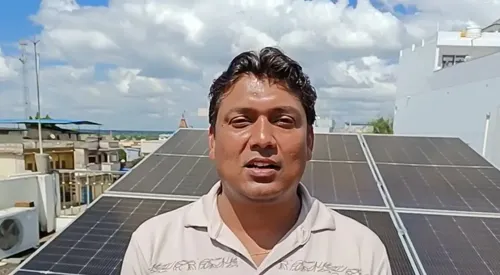
In Uttar Pradesh's Mahoba district , beneficiary Jageshwar Chaurasia reported his monthly bill falling from ₹2,000–₹2,500 to zero .
The scheme enables beneficiaries to sell surplus power back to the grid, creating a potential additional income stream.
The Pradhan Mantri Surya Ghar Muft Bijli Yojana is delivering tangible financial relief to households in Chhattisgarh's Gariaband district, where solar panels have been installed across several homes in Atarmara village. Beneficiaries say monthly electricity bills — once a recurring strain — have dropped sharply or been eliminated entirely since the rooftop solar systems went live.
How the Scheme Works
Under the PM Surya Ghar programme, both the Centre and state governments jointly provide subsidies to cover a substantial portion of installation costs, making rooftop solar accessible to households that would otherwise be unable to afford the upfront investment. The scheme also enables beneficiaries to earn income by feeding surplus power back into the grid.
A Gariaband Resident's Experience
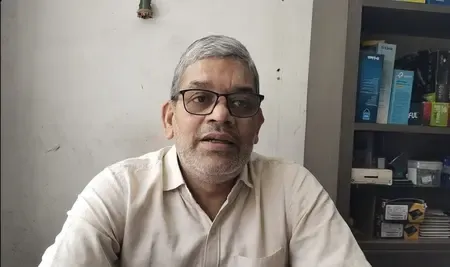
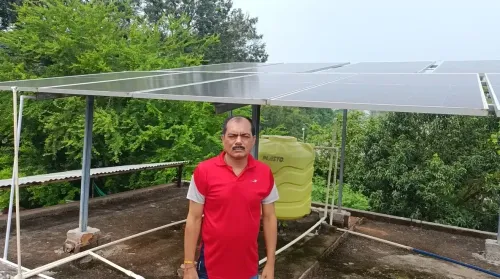
Mahendra Pratap Sinha, a resident of Atarmara village, installed a 3-kilowatt solar panel system at his home under the scheme. He said the total installation cost was ₹1.9 lakh, of which he received a combined subsidy of ₹1.08 lakh from the Central and state governments, significantly reducing his out-of-pocket expenditure.
Before the installation, Sinha reportedly paid monthly electricity bills ranging from ₹1,000 to ₹6,000 — a figure he described as a persistent source of distress. The solar system has since eased those expenses and, according to him, also benefited his business operations.
'I was very troubled by the electricity bills. I have benefited greatly. I extend my heartfelt thanks to Prime Minister Narendra Modi. The solar panel scheme that has been implemented is excellent,' Sinha said.
A Pattern Emerging Across States
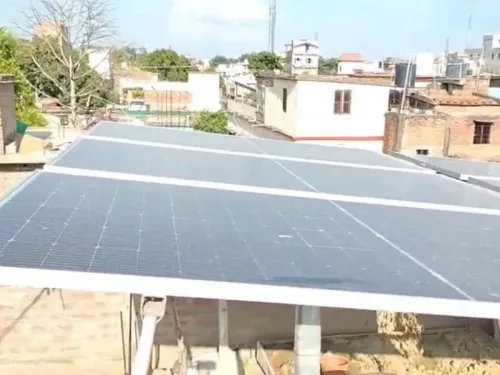
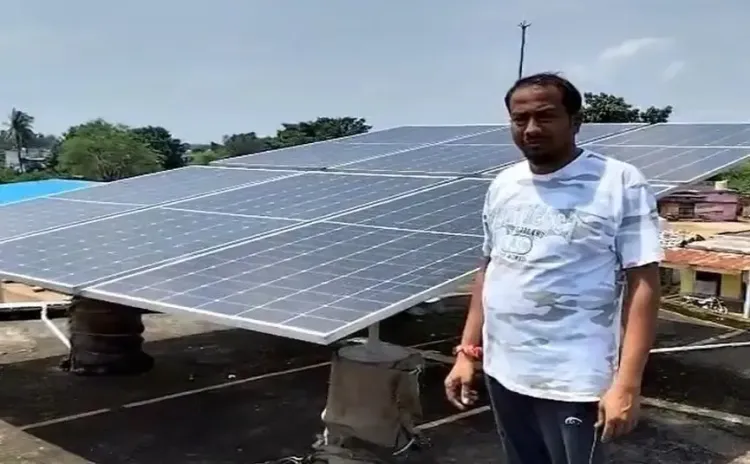
Atarmara is not an isolated example. Last month, beneficiaries in Uttar Pradesh's Mahoba district similarly reported steep reductions in electricity costs after rooftop solar installations under the same scheme. Jageshwar Chaurasia, a Mahoba beneficiary, said his monthly bill — previously between ₹2,000 and ₹2,500 — had dropped to zero after the panels were installed.
Notably, this is part of a broader national rollout that the government says is replacing fossil-fuel dependence with renewable energy, reducing household carbon footprints, and enabling low-income families to generate supplementary income from surplus electricity.
Wider Impact and What Comes Next
The scheme's dual benefit — zero or near-zero electricity bills combined with the potential to sell excess power — positions it as one of the Centre's more tangible welfare-linked green energy initiatives. As installations expand to more villages and districts, the programme's long-term sustainability will depend on adequate grid infrastructure to absorb surplus solar generation and timely subsidy disbursements to new applicants.
Point of View
Ground-level impact stories from individual villages, while compelling, should not obscure the need for aggregate data: How many installations are complete nationwide? What is the average bill reduction? Are subsidy disbursements reaching applicants without delays? The anecdotal evidence from Gariaband and Mahoba is promising, but the Centre has yet to publish a comprehensive beneficiary outcome report that would allow independent verification of the scheme's scale and efficiency claims.
NationPress
14 Oct 2026
Frequently Asked Questions
What is the PM Surya Ghar Muft Bijli Yojana?
The Pradhan Mantri Surya Ghar Muft Bijli Yojana is a Central government scheme that subsidises rooftop solar panel installation for households, aiming to provide free or near-zero-cost electricity. Both the Centre and state governments contribute to the subsidy, covering a significant share of installation costs.
How much subsidy is available under PM Surya Ghar scheme?
According to reports from Chhattisgarh, a beneficiary installing a 3-kilowatt system costing ₹1.9 lakh received a combined Central and state subsidy of ₹1.08 lakh, reducing the out-of-pocket cost to approximately ₹82,000. Subsidy amounts may vary by state and system capacity.
Who can benefit from the PM Surya Ghar scheme?
The scheme targets residential households across India, with a focus on providing relief from high electricity bills. Eligible beneficiaries can apply for subsidised solar panel installation and may also earn income by selling surplus power back to the electricity grid.
Has the scheme shown results in states other than Chhattisgarh?
Yes. Beneficiaries in Uttar Pradesh's Mahoba district also reported significant savings, with at least one household's monthly electricity bill dropping from ₹2,000–₹2,500 to zero after installing solar panels under the scheme.
What are the broader benefits of the PM Surya Ghar scheme beyond bill savings?
Beyond reducing electricity expenses, the scheme replaces fossil-fuel consumption with renewable solar energy, lowers household carbon footprints, and allows beneficiaries to generate supplementary income by feeding surplus electricity into the grid.