CM Rekha Gupta seeks blessings at Pejawar Math's Chaturmasya event
Synopsis
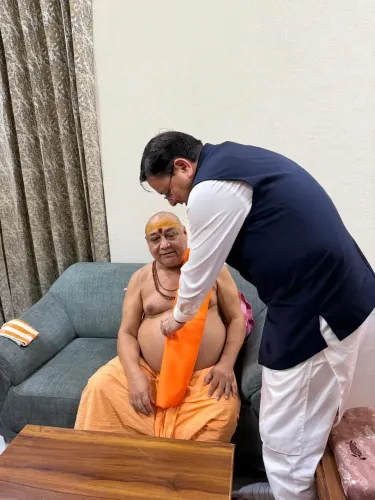
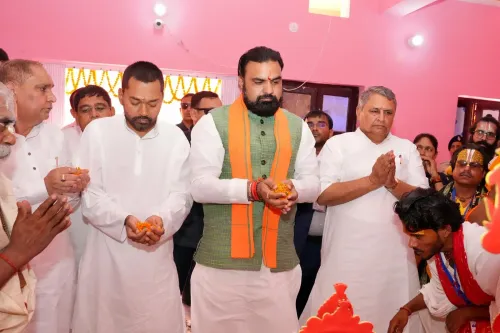
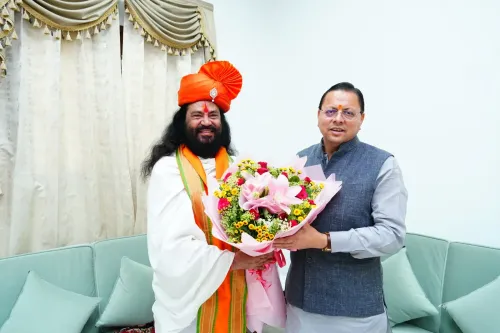
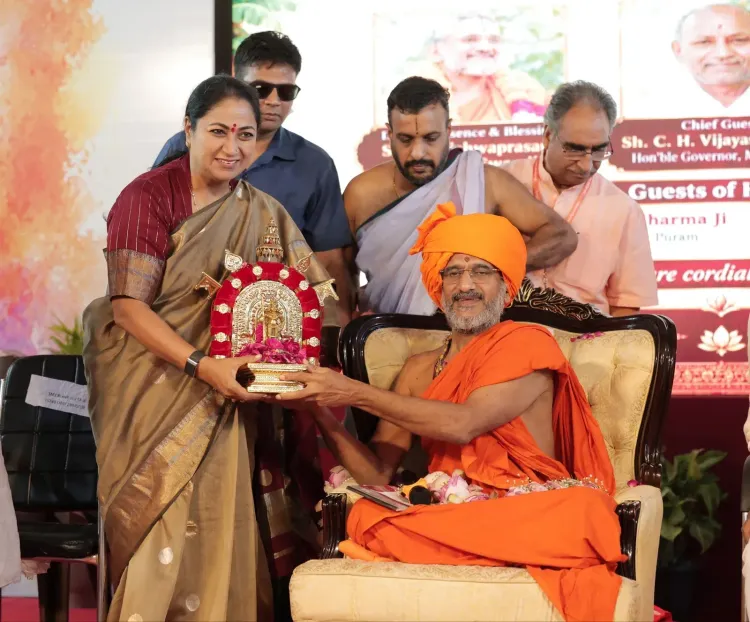
Delhi Chief Minister Rekha Gupta attended the 39th Chaturmasya Vrat Samapan and Guruvandanam ceremony at Vedavyas Gurukulam on September 25, 2026, receiving blessings from Pejawar Math pontiff Vishwaprasanna Tirtha Swamiji and reaffirming commitment to India's classical cultural values.
Key Takeaways
Delhi CM Rekha Gupta attended the 39th Chaturmasya Vrat Samapan and Guruvandanam at Vedavyas Gurukulam on September 25, 2026 .
Vishwaprasanna Tirtha Swamiji , pontiff of the Pejawar Math in Udupi, Karnataka , presided over the ceremony.
Pejawar Math is one of the eight Ashta Mathas founded by Madhvacharya , central to the Dvaita Vedanta tradition.
The Chaturmasya Vrat is a four-month monsoon-season observance during which ascetics stay stationary and engage in discourse and service.
CM Gupta described Swamiji's life as dedicated to 'service, spiritual discipline, and devotion to the nation.' The visit reflects a broader pattern of senior BJP leaders engaging with traditional Hindu religious institutions across India.
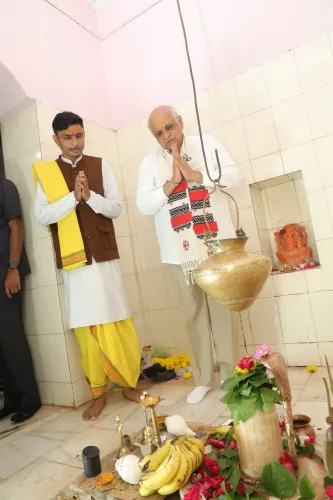
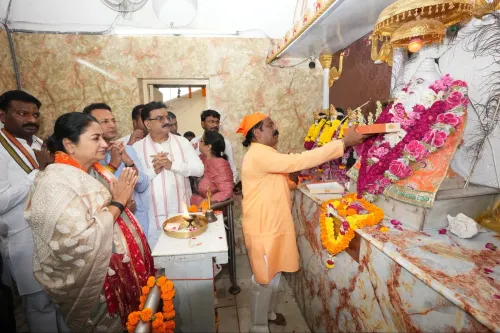
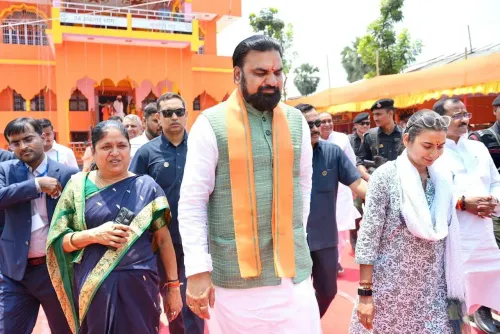
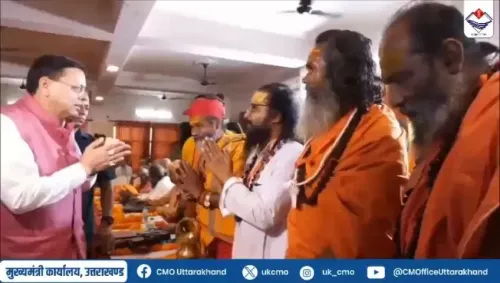
A centuries-old Vedic tradition drew Delhi Chief Minister Rekha Gupta to Vedavyas Gurukulam on Friday, September 25, 2026, where the conclusion of the 39th Chaturmasya Vrat — a sacred four-month observance rooted in ancient Hindu practice — was marked with the 'Guruvandanam' ceremony. At its centre stood Vishwaprasanna Tirtha Swamiji, pontiff of the revered Pejawar Math of Udupi, whose presence transformed the gathering into a moment of both spiritual and cultural weight.
The saint at the heart of the ceremony
Pejawar Math is one of the eight Ashta Mathas established by Madhvacharya in Udupi, Karnataka — institutions that have anchored the Dvaita Vedanta philosophical tradition for centuries and run extensive Vedic education and community-service programmes. Vishwaprasanna Tirtha Swamiji, who succeeded the legendary Vishwesha Tirtha as pontiff, carries that lineage forward through active social outreach alongside rigorous scriptural scholarship.
CM Gupta described the occasion as a privilege, writing that 'पूज्य स्वामीजी का जीवन सेवा, साधना और राष्ट्र आराधना को समर्पित है' — 'the revered Swamiji's life is dedicated to service, spiritual discipline, and devotion to the nation.' She added that being in his presence renews one's commitment to India's timeless cultural values and to the resolve of social service.
Chaturmasya: what the four-month vow means
The Chaturmasya Vrat is a Vedic observance in which Hindu ascetics remain stationary for roughly four months during the monsoon season — traditionally from Ashadha Shukla Ekadashi to Kartika Shukla Ekadashi — engaging in intense study, discourses, and community engagement in the host town. Its conclusion, marked by the Samapan ceremony, is considered auspicious. The 39th edition of the vrat at Vedavyas Gurukulam underlines the institution's long continuity in upholding this practice.
BJP leaders and the matha circuit
The visit fits a well-established pattern: senior BJP leaders across the country regularly attend ceremonies at traditional mathas, gurukuls, and Hindu religious institutions, signalling alignment between political leadership and the custodians of classical Indian culture. For CM Gupta, who leads a government in a city far from Karnataka's Udupi heartland, the journey to seek Swamiji's blessings underscores the national reach of institutions like Pejawar Math.
Cultural diplomacy through religious attendance carries its own message — that governance, in this framing, draws energy from the wellspring of spiritual tradition. Whether that energy translates into specific policy or cultural programmes in Delhi is a question the city's residents will be watching.
Point of View
Reaching out to a Karnataka-based matha signals an intent to position the party's cultural agenda as national rather than regional. At the same time, Vishwaprasanna Tirtha Swamiji's reputation for social service gives the association a civic legitimacy beyond purely religious optics. The question analysts will ask is whether this cultural engagement is followed by concrete policy support for gurukuls or Sanskrit education in Delhi.
NationPress
26 Sept 2026
Frequently Asked Questions
What is the Chaturmasya Vrat and why is it significant?
The Chaturmasya Vrat is a Vedic four-month observance — typically spanning the monsoon season — during which Hindu ascetics remain in one place to conduct discourses, scriptural study, and community service. Its conclusion, the Samapan ceremony, is considered highly auspicious in the Vaishnava tradition.
Who is Vishwaprasanna Tirtha Swamiji of Pejawar Math?
Vishwaprasanna Tirtha Swamiji is the current pontiff of Pejawar Math in Udupi, Karnataka, one of the eight Ashta Mathas founded by the philosopher-saint Madhvacharya. He succeeded the widely revered Vishwesha Tirtha and is known for social service initiatives and promotion of Dvaita Vedanta traditions.
What is Vedavyas Gurukulam?
Vedavyas Gurukulam is a traditional Hindu educational institution that hosted the 39th Chaturmasya Vrat Samapan and Guruvandanam ceremony attended by Delhi CM Rekha Gupta. The specific location could not be independently verified from public records.
Why did Delhi CM Rekha Gupta attend a ceremony connected to a Karnataka matha?
Pejawar Math, based in Udupi, Karnataka, holds pan-India significance in the Vaishnava Hindu tradition. Senior BJP leaders across states regularly attend events at such institutions as part of broader cultural and religious engagement that transcends state boundaries.
What is the Pejawar Math known for?
Pejawar Math is one of the eight Ashta Mathas established by Madhvacharya in Udupi, Karnataka. It is a centre for Vedic education, Dvaita Vedanta philosophy, and community service programmes, and its pontiff traditionally presides over major Vaishnava religious observances.