CM Rekha Gupta shares PM Modi's inauguration of Bharat Renewable Energy Summit 2026
Synopsis
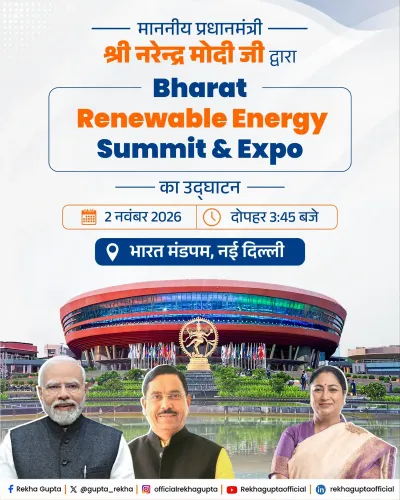
Prime Minister Narendra Modi inaugurated the Bharat Renewable Energy Summit and Expo 2026 on November 2, with Delhi Chief Minister Rekha Gupta pinning a live stream of the event. The summit advances India's pledge of 500 GW non-fossil capacity by 2030 and net-zero by 2070.
Key Takeaways
PM Narendra Modi inaugurated the Bharat Renewable Energy Summit and Expo 2026 on November 2, 2026 .
Delhi CM Rekha Gupta pinned the live broadcast on her X account, amplifying the event to her audience.
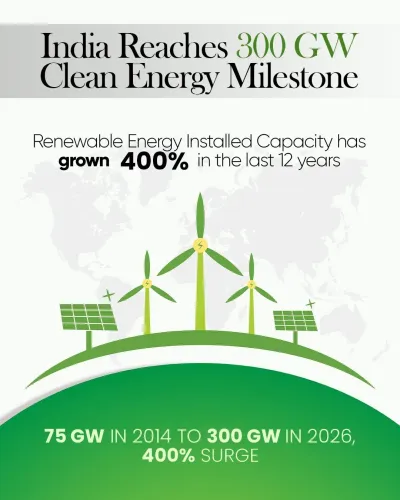
India has pledged 500 GW of non-fossil fuel capacity by 2030 and net-zero by 2070 , commitments made at COP26 in 2021.
The International Solar Alliance , co-founded in 2015 , underpins India's long-running solar diplomacy and domestic expansion drive.
The Ministry of New and Renewable Energy supports targets through production-linked incentives and viability gap funding.
Analysts will watch for new capacity targets, investment MoUs, or fiscal announcements emerging from the summit.
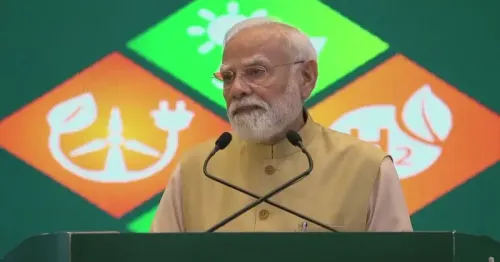
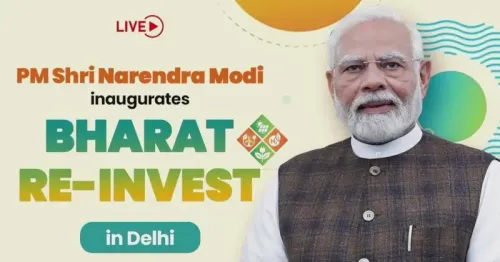
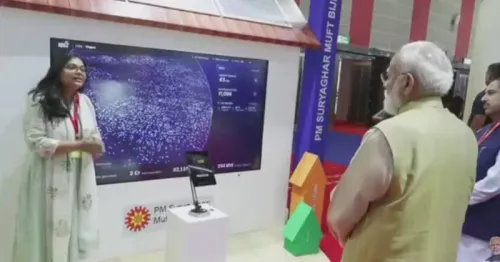
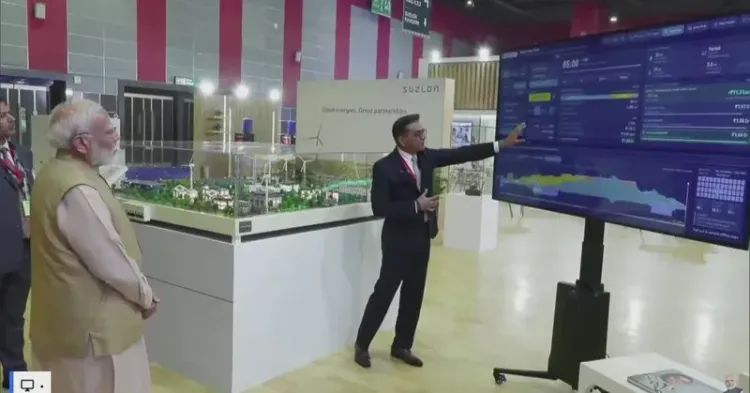
India's clean-energy ambitions moved to centre stage on Monday, November 2, 2026, as Prime Minister Narendra Modi inaugurated the Bharat Renewable Energy Summit and Expo 2026 — a high-profile national platform bringing together policymakers, developers, and investors to shape the country's next green-energy chapter. Delhi Chief Minister Rekha Gupta pinned a live broadcast of the event on her official X account, amplifying the moment to her followers in real time.
A summit built on a decade of climate commitments
The inauguration sits squarely within a policy arc India has been building since 2015, when New Delhi co-founded the International Solar Alliance to accelerate solar deployment across sun-rich nations. The ambition sharpened further at COP26 in 2021, where India pledged to install 500 GW of non-fossil fuel capacity by 2030 and reach net-zero emissions by 2070 — commitments that have since anchored every major energy policy decision from New Delhi.
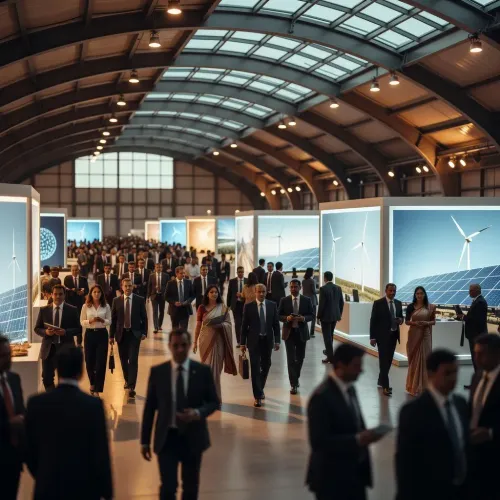
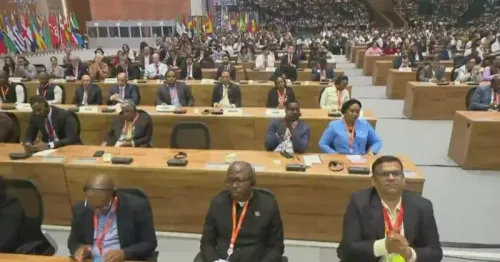
The Ministry of New and Renewable Energy has backed those pledges with tools like production-linked incentives and viability gap funding, creating a pipeline of projects that successive summits have been used to catalyse. Bharat Renewable Energy Summit and Expo 2026 follows that template: a prime ministerial imprimatur, a captive audience of developers and state-government delegations, and the expectation of fresh announcements on capacity targets or investment commitments.
Why CM Gupta's amplification matters
Chief ministers and senior state leaders routinely use moments like these to signal alignment with central government priorities — and in the case of Delhi, a city acutely conscious of its air-quality crisis, the renewable energy agenda carries particular resonance. By pinning the live stream, Rekha Gupta placed the summit's messaging at the very top of her public profile for the day, underscoring the BJP leadership's unified push on the clean-energy narrative ahead of any policy follow-through at the state level.
Renewable energy summits of this scale typically serve as launchpads: watch for state-level MoUs, revised capacity-addition timelines, or new fiscal incentives that tend to flow from the floor of such expos into parliamentary and budget statements in the weeks that follow.
India's energy transition is no longer a long-horizon aspiration. It is a live broadcast, pinned at the top of the feed — and the world is watching.
Point of View
Investable milestones. By choosing a high-profile expo format, the administration signals to domestic and global capital that India's 500 GW non-fossil fuel target is a policy certainty, not a wish list. CM Rekha Gupta's decision to pin the live broadcast also illustrates how state-level BJP leaders are consciously aligning their public personas with the Centre's green-energy narrative — particularly valuable in Delhi, where air quality and energy policy overlap directly with voter sentiment. The real test will be whether the summit produces binding state-level commitments or remains a headline moment without downstream regulatory traction.
NationPress
2 Nov 2026
Frequently Asked Questions
What is the Bharat Renewable Energy Summit and Expo 2026?
It is a national industry and policy event focused on renewable energy technologies, investment and regulation, inaugurated by Prime Minister Narendra Modi on November 2, 2026.
What is India's renewable energy target by 2030?
India pledged at COP26 in 2021 to achieve 500 GW of non-fossil fuel electricity capacity by 2030 as part of its broader climate commitments.
When did India announce its net-zero target?
India announced a net-zero emissions target of 2070 at the COP26 climate summit in Glasgow in November 2021.
Why did Delhi CM Rekha Gupta share the renewable energy summit live stream?
CM Rekha Gupta pinned the live broadcast on her X account to amplify PM Modi's inauguration of the Bharat Renewable Energy Summit 2026 to her followers, signalling alignment with the BJP-led Centre's clean-energy agenda.
What is the International Solar Alliance?
The International Solar Alliance is a multilateral initiative co-founded by India in 2015 to accelerate solar energy deployment across solar-resource-rich countries worldwide.