CM Rekha Gupta Flags Chhath Ghat Makeover for Viksit Delhi
Synopsis
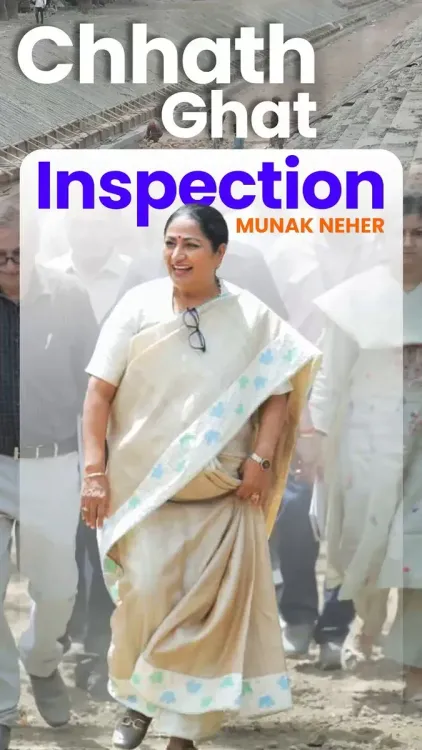
Delhi Chief Minister Rekha Gupta on 24 May 2026 highlighted the transformation of a neglected riverfront into a clean Chhath Ghat, calling it a new space of faith and community under the Viksit Delhi vision — part of the BJP government's broader push for riverfront infrastructure across the capital.
Key Takeaways
Delhi Chief Minister Rekha Gupta announced on 24 May 2026 the transformation of a long-neglected riverfront into a clean Chhath Ghat.
The project is positioned under the Viksit Delhi framework, the BJP's urban-development vision for the capital.
The ghat is described as 'a new space of faith, community and pride' for devotees and families.
The initiative aligns with the national Namami Gange programme launched in 2014 , which includes Yamuna riverfront components.
Similar riverfront and ghat development drives have been carried out in Varanasi and other cities under the Viksit Bharat framework.
Key milestones will be watched ahead of the next Chhath Puja season, typically in October–November.
Delhi Chief Minister Rekha Gupta on Sunday, 24 May 2026 highlighted the ongoing transformation of a long-neglected riverfront into a clean, modern Chhath Ghat, framing the project as a symbol of civic renewal under the Viksit Delhi vision. The post, shared on her official X account, described the site as 'a new space of faith, community and pride' for the capital's residents and devotees.
Context
Chhath Puja is one of the most widely observed festivals among Delhi's large population of devotees from eastern Uttar Pradesh and Bihar, drawing lakhs of worshippers to riverbank ghats each year. For years, many of these riverfront sites remained poorly maintained — lacking proper access, sanitation, and safety infrastructure — leaving devotees to congregate at makeshift or deteriorating locations. Chief Minister Gupta's post signals that the BJP-led Delhi government is now prioritising these spaces as a visible civic priority.
Policy Backdrop
The ghat redevelopment sits within the broader Viksit Delhi framework, the BJP's governing vision for the capital that emphasises infrastructure upgrades, cleanliness, and the creation of inclusive public spaces. At the national level, the Namami Gange programme, launched in 2014, included components for cleaning the Yamuna and supporting riverfront infrastructure — work that has proceeded in phases across Delhi's riverbanks. The current ghat project represents a convergence of religious, environmental, and urban-development objectives that the party has championed across several Indian cities.
Similar ghat-development and riverfront beautification drives have been undertaken in Varanasi and other state capitals under the wider Viksit Bharat framework, extending the model of combining pollution control with recreational and spiritual use. Delhi's initiative follows that template, positioning the capital's riverbanks as community assets rather than neglected civic liabilities.
Stakeholders and Impact
The primary beneficiaries are the lakhs of Chhath devotees who gather at Delhi's ghats each autumn, along with families who use riverfront spaces for leisure and community gatherings year-round. Improved infrastructure — including better access roads, lighting, sanitation, and bank stabilisation — directly addresses safety concerns that have historically shadowed large festival gatherings at poorly developed sites. Civic groups and resident welfare associations in riverside localities are also stakeholders, as the upgrade can raise the quality of the surrounding public environment.
For the BJP, the project carries political salience: Chhath Puja commands deep emotional significance among a substantial voter demographic in Delhi, and visible improvements to ghat infrastructure have been a recurring campaign talking point in the capital's electoral contests.
What's Next
Attention will now turn to rollout milestones ahead of the next Chhath season, typically observed in October or November, when the ghats will face their largest test of readiness. Any linked pollution-control measures — coordinated with central agencies managing the Yamuna — will determine whether the physical upgrades translate into a cleaner riverfront experience for devotees. The Delhi assembly and municipal bodies are expected to be the forums where progress timelines and budgetary allocations are formally presented in the coming months.
Point of View
Using the emotionally resonant symbol of Chhath Ghat redevelopment to demonstrate tangible civic progress under BJP rule in Delhi. The timing — months before the next Chhath season — gives the government a visible delivery deadline that will either validate or test the claim. The framing of 'what stood neglected for years' is a pointed contrast to the previous AAP administration, a rhetorical move the BJP has used consistently since returning to power in the capital. More broadly, the post fits a national pattern of riverfront and ghat infrastructure being deployed as both a development signal and a cultural-political statement, linking Delhi's transformation to the wider Viksit Bharat narrative.
NationPress
20 Sept 2026
Frequently Asked Questions
What is the Chhath Ghat project in Delhi?
The Chhath Ghat project involves redeveloping long-neglected riverfront sites in Delhi into clean, well-equipped spaces for Chhath Puja devotees and families, as highlighted by Chief Minister Rekha Gupta in May 2026.
What is Viksit Delhi?
Viksit Delhi is the BJP-promoted governance vision for the national capital, focusing on infrastructure upgrades, cleanliness, and the creation of inclusive community spaces as part of the broader Viksit Bharat framework.
How does the Delhi ghat project connect to Namami Gange?
The Namami Gange programme, launched in 2014, includes components for cleaning the Yamuna and supporting riverfront infrastructure in Delhi, providing a policy foundation for the current ghat redevelopment initiative.
When is the next Chhath Puja in Delhi?
Chhath Puja is typically observed in October or November each year, making the upcoming season the key deadline for assessing the readiness of the newly developed ghats in Delhi.