CM Rekha Gupta Vows Drug-Free Punjab, Backs Modi-Shah Drive
Synopsis
Delhi CM Rekha Gupta vowed on 18 October 2026 to dismantle Punjab's drug trafficking networks and unmask their alleged protectors, anchoring the campaign to PM Modi's leadership and Home Minister Amit Shah's resolve under the Nasha Mukt Bharat framework.
Key Takeaways
Delhi CM Rekha Gupta issued a public vow on 18 October 2026 to fight Punjab's drug crisis to a decisive finish.
She specifically pledged to expose 'protectors' of drug networks — signalling a push beyond street-level enforcement.
The statement invokes PM Narendra Modi and Home Minister Amit Shah as the driving force behind the campaign.
The Nasha Mukt Bharat Abhiyan (launched 2020 ) and the NDPS Act form the existing policy architecture for such operations.
Punjab 's cross-border geography makes it a long-standing centre of drug trafficking discourse in Indian politics.
The post frames the issue as a national-level BJP commitment, intensifying centre-state dynamics on internal security in Punjab.
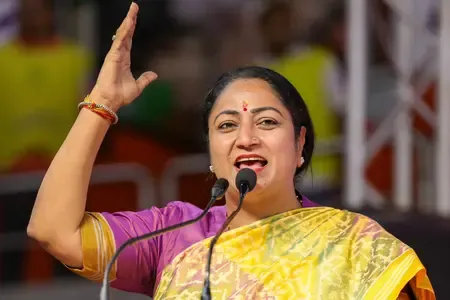
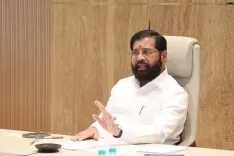
Punjab's drug crisis has a new political flashpoint. Delhi Chief Minister Rekha Gupta on Sunday, 18 October 2026, issued a pointed declaration that the battle against drug trafficking networks in Punjab will be fought to a decisive finish — invoking the leadership of Prime Minister Narendra Modi and the 'firm resolve' of Union Home Minister Amit Shah.
Posting in Hindi, CM Gupta stated: 'Nashe ke saudagaron ka network dhvast hoga, unke sanrakshak benakaab honge aur Punjab ki yuva peedhi ka bhavisya surakshit hoga.' ('The network of drug peddlers will be dismantled, their protectors will be exposed, and the future of Punjab's younger generation will be secured.')
She closed with an unambiguous commitment: 'Nasha mukt Punjab hamara sankalp hai aur is sankalp se koi samjhauta nahin hoga.' ('A drug-free Punjab is our resolve, and there will be no compromise on this resolve.')
Punjab's drug crisis and the Central push
Punjab has faced decades of cross-border drug trafficking, a geography that places it on supply corridors running through its borders. Youth substance abuse in the state has been a consistent theme in national political discourse, cutting across party lines and election cycles.
At the central level, the Nasha Mukt Bharat Abhiyan, launched in 2020, set the institutional framework for demand-reduction efforts nationwide. The Narcotic Drugs and Psychotropic Substances (NDPS) Act remains the enforcement backbone, with the Union Home Ministry coordinating inter-agency operations alongside state police forces.
The 'protectors' charge — and what it signals
The most charged line in CM Gupta's post is the explicit promise to 'expose protectors' — a phrase that points beyond street-level peddlers to alleged networks of political or institutional cover. That language is deliberate. It frames the fight not just as law enforcement but as a reckoning with entrenched interests.
This framing mirrors a broader pattern in BJP-aligned messaging on Punjab, where the centre-state dynamic on internal security has been a live political fault-line. Assigning leadership to Modi and Shah — both figures with a strong enforcement identity — signals that the party intends to own this issue at the national level ahead of any future political contest in the state.
The operative question now is whether the rhetoric translates into announced joint central-state operations or new rehabilitation infrastructure in Punjab's worst-affected districts. CM Gupta's post draws the battle lines clearly. The next move belongs to enforcement.
Point of View
Which historically functions as pressure on rival political formations rather than a stand-alone operational announcement. Within the Nasha Mukt Bharat framework, such statements from BJP leaders outside Punjab serve to nationalise the issue, keeping it on the party's agenda even as ground-level delivery remains a state police function. The coming weeks will test whether this resolve produces joint operational announcements or remains a positioning statement ahead of future electoral cycles.
NationPress
19 Oct 2026
Frequently Asked Questions
What did Delhi CM Rekha Gupta say about Punjab drugs?
CM Rekha Gupta vowed on 18 October 2026 to dismantle drug trafficking networks in Punjab, expose their alleged 'protectors,' and secure the future of Punjab's youth — citing PM Modi's leadership and Amit Shah's resolve as the driving force.
What is the Nasha Mukt Bharat Abhiyan?
The Nasha Mukt Bharat Abhiyan is a nationwide drug demand-reduction programme launched by the Central government in 2020, targeting awareness, treatment, and enforcement across India's most affected districts, including several in Punjab.
Why is Punjab particularly affected by drug trafficking?
Punjab's location as a border state places it on major cross-border drug supply corridors, making it a long-standing flashpoint for substance abuse and trafficking that successive state and central governments have sought to address.
What role does Amit Shah play in anti-drug operations?
As Union Home Minister, Amit Shah oversees internal security and coordinates central agencies — including the Narcotics Control Bureau — with state police forces on anti-trafficking operations under the NDPS Act.
What does 'exposing protectors' mean in the context of Punjab drugs?
The phrase targets alleged networks of political or institutional figures who may provide cover to drug traffickers — it signals that the BJP's campaign aims to go beyond street-level arrests to accountability at higher levels of the supply chain.