CM Revanth Reddy at 85th Indian Roads Congress Session
Synopsis
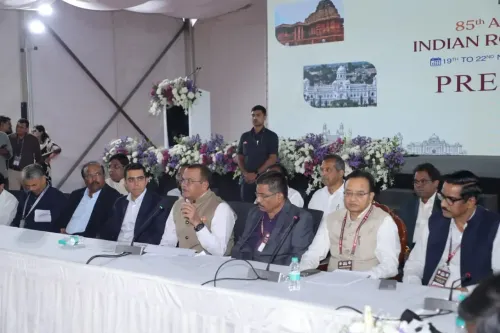
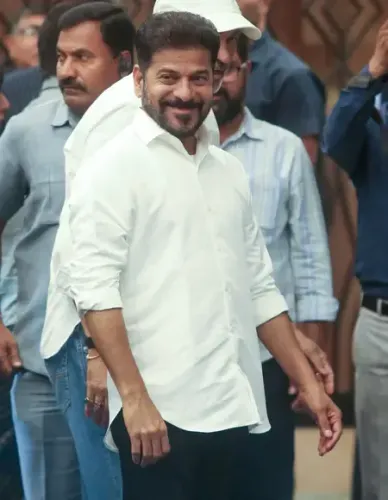
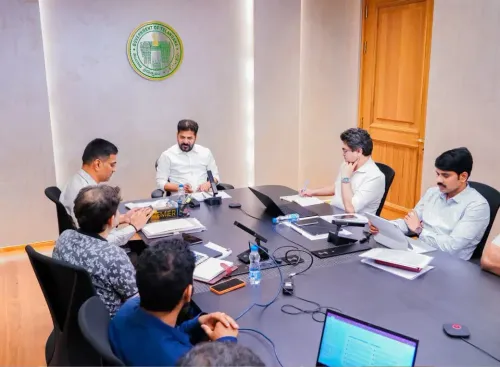
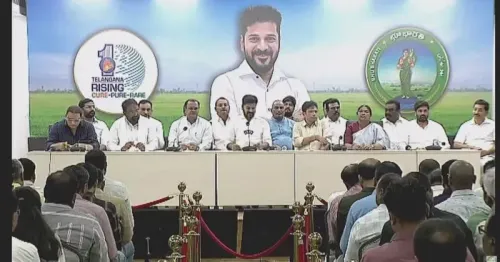
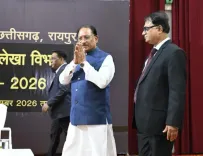
Telangana Chief Minister A. Revanth Reddy participated in the inauguration of the 85th Annual Session of the Indian Roads Congress on 19 November 2026, engaging with the apex body that has governed India's road-engineering standards since 1934.
Key Takeaways
Revanth Reddy attended the inauguration of the 85th Annual Session of the Indian Roads Congress on 19 November 2026 .
The Indian Roads Congress , founded in 1934 , is India's apex technical body for road and highway engineering standards.
IRC annual sessions serve as forums for updating technical codes and addressing implementation challenges across states.
State participation in IRC sessions helps align state road projects with national specifications needed to access central funding like Bharatmala Pariyojana .
Revanth Reddy has been Telangana Chief Minister since December 2023 , with infrastructure development as a stated policy priority.
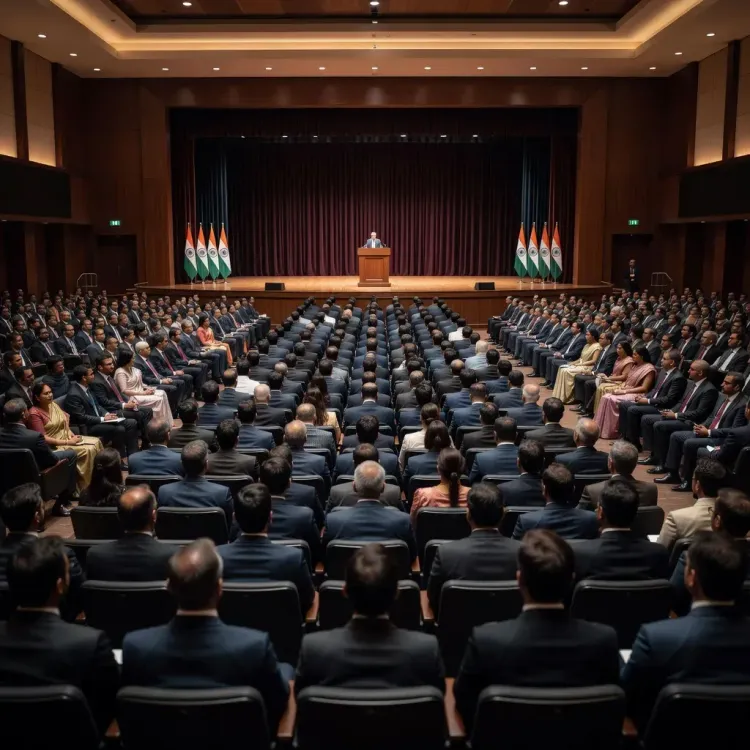
Roads are where policy meets pavement — and on Thursday, 19 November 2026, Telangana Chief Minister A. Revanth Reddy stepped into one of India's most consequential infrastructure forums, participating in the inauguration of the 85th Annual Session of the Indian Roads Congress (IRC).
India's oldest roads body convenes its 85th session
The Indian Roads Congress, founded in 1934, is the country's apex technical advisory body for road engineering — the institution that sets the codes and standards underpinning every national highway, state road, and bridge in India. Its annual sessions are not ceremonial gatherings; they are working forums where engineers, administrators, and policymakers update technical codes and wrestle with on-ground implementation challenges. Ninety-two years after its founding, the IRC remains the backbone of road-standards governance in a country that has built over 1.46 lakh kilometres of national highways.
Why a state chief minister's presence matters at an IRC session
State governments are the primary executors of road construction on the ground — it is their Public Works Departments that translate IRC standards into actual kilometres of tarmac. Chief ministers who engage directly with the IRC signal their administration's intent to align state projects with national specifications, which also smoothens access to centrally sponsored funding streams. For Telangana, still consolidating its road network more than a decade after bifurcation, that alignment carries real fiscal weight — particularly with the Bharatmala Pariyojana, the Union Cabinet-approved highway acceleration programme from 2017, still channelling significant funds to state corridors.
Telangana's road infrastructure ambitions in frame
Revanth Reddy, who has led the state since December 2023, has positioned infrastructure spending as a central pillar of Telangana's growth narrative. Participation at the IRC's annual session places the state's road project proposals and funding asks in front of the national engineering and administrative community at precisely the moment when the next Union Budget cycle begins taking shape. It is the kind of forum where technical credibility and political visibility reinforce each other.
Point of View
Whose Congress government in Telangana needs to demonstrate delivery on infrastructure promises, visibility at a national engineers' conclave reinforces the administration's credibility. The IRC's standard-setting role also means states that engage deeply with its processes are better positioned to absorb Bharatmala and other central highway funds quickly. Watch whether any IRC guidelines emerging from this session translate into fast-tracked project notifications in Telangana.
NationPress
19 Nov 2026
Frequently Asked Questions
What is the Indian Roads Congress?
The Indian Roads Congress (IRC) is India's apex technical advisory body for road engineering, founded in 1934. It sets standards and codes for roads, bridges, and highways across the country and holds annual sessions to update guidelines and address implementation challenges.
What is the 85th Annual Session of the Indian Roads Congress about?
The 85th Annual Session of the Indian Roads Congress is a national forum for highway engineers, state PWD officials, and policymakers to update technical codes, discuss road infrastructure challenges, and align state projects with national specifications.
Why did CM Revanth Reddy attend the Indian Roads Congress session?
Chief Minister A. Revanth Reddy participated in the inauguration to represent Telangana's infrastructure interests at a national platform, an engagement that also helps the state align its road projects with IRC standards required for central funding programmes like Bharatmala Pariyojana.
What is Bharatmala Pariyojana?
Bharatmala Pariyojana is a centrally sponsored national highway development programme approved by the Union Cabinet in 2017, aimed at accelerating road infrastructure across India and improving connectivity through expressways and economic corridors.
When did Revanth Reddy become Telangana Chief Minister?
A. Revanth Reddy became Chief Minister of Telangana in December 2023, following the Congress party's victory in the state assembly elections.