CM Dhami Pushes Wildlife Awareness for Uttarakhand Youth
Synopsis
Uttarakhand CM Pushkar Singh Dhami on 19 November 2026 highlighted a programme giving children and youth direct exposure to wildlife, biodiversity, and ecosystems, with Cabinet Minister Subodh Uniyal present — part of the state's long-running conservation-awareness push.
Key Takeaways
CM Pushkar Singh Dhami on 19 November 2026 announced efforts to give children and youth direct, firsthand experience of wildlife, biodiversity, and ecosystems in Uttarakhand.
The initiative aims to build nature conservation awareness among younger generations through direct exposure rather than textbook learning.
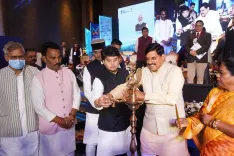
Cabinet Minister Subodh Uniyal and other dignitaries were present at the event, signalling high-level government support.
Uttarakhand's conservation education outreach dates to state formation in 2000 and is tied to its national parks including Corbett and Rajaji .
The next critical step is institutionalising the push through formal school curriculum modules or structured field-visit schemes across the state.
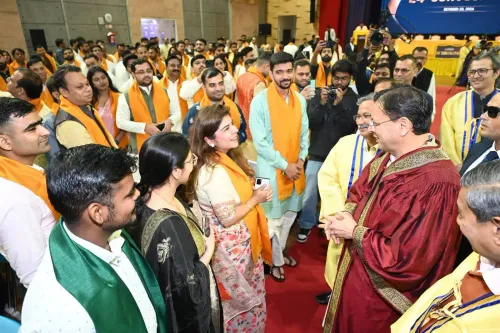
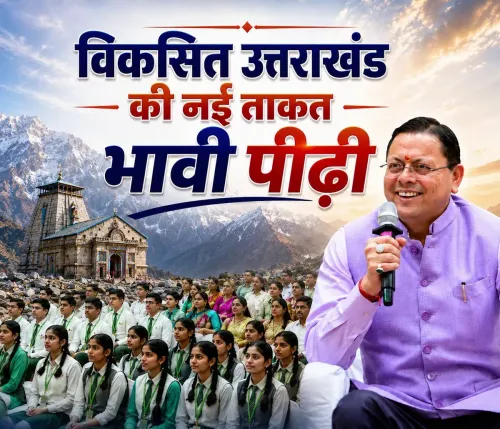
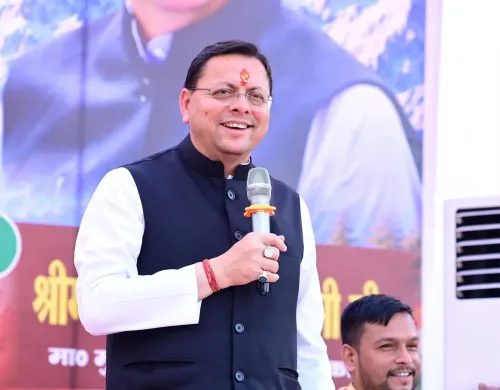
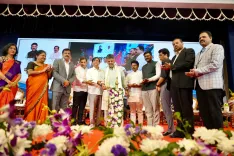
In a state where the Himalayas meet some of India's richest biodiversity corridors, Uttarakhand Chief Minister Pushkar Singh Dhami on Thursday, 19 November 2026, spotlighted a hands-on effort to bring children and young people face-to-face with the wildlife, ecosystems, and natural heritage that define the state.
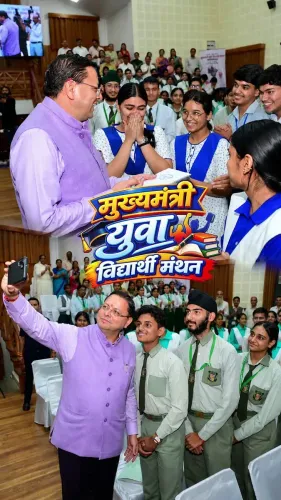
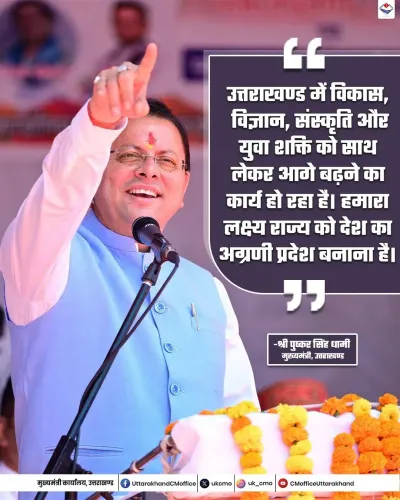
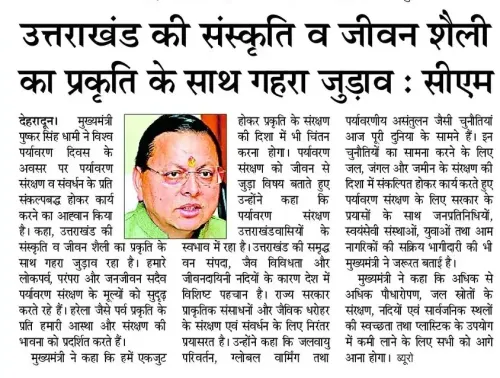
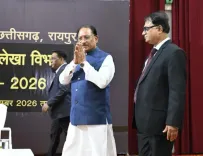
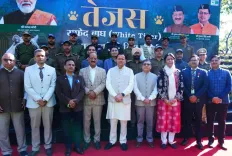
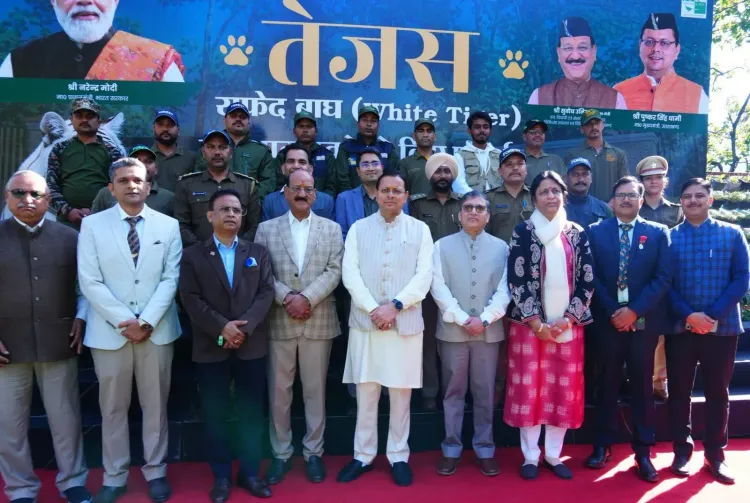
Sharing the update on X, CM Dhami wrote: 'Hamara prayas hai ki bachche aur yuva vanyajeevon, jaiv vividhta aur paristhitiki tantra ko pratyaksh roop se samjhein tatha prakriti sanrakshan ke prati jagruk banein' — 'Our effort is that children and youth directly understand wildlife, biodiversity, and ecosystems, and become aware of nature conservation.' Cabinet Minister Subodh Uniyal and other dignitaries were present at the event.
Direct Exposure Over Textbook Learning
The emphasis on 'pratyaksh' — direct, firsthand experience — is deliberate. Uttarakhand's conservation framework has long held that young people who actually walk through a forest, observe wildlife, and understand an ecosystem are far more likely to become its stewards. This philosophy underpins the state's eco-education outreach, which has run in various forms since Uttarakhand's formation in 2000.
The state's natural assets make it an ideal classroom. Home to Corbett National Park — India's oldest — and Rajaji Tiger Reserve, Uttarakhand sits atop one of the subcontinent's most fragile yet spectacular ecological zones. Poaching pressure, habitat fragmentation, and climate stress on Himalayan glaciers make public awareness not just educational but urgent.
Uniyal's Presence and State-Level Weight
Cabinet Minister Subodh Uniyal, who has been a consistent presence at public outreach events alongside the Chief Minister, attended the programme, signalling cross-departmental buy-in for the initiative. When ministers turn up at school or youth conservation events, it sends a clear message about where the government places its priorities.
Uttarakhand's approach mirrors a wider pattern seen in other Indian states with protected areas — linking eco-tourism revenue to on-ground conservation while simultaneously building a younger generation's ecological literacy. The logic is straightforward: awareness today, advocacy tomorrow.
What the Next Step Looks Like
The immediate question is whether this push translates into structured school curriculum modules or formal field-visit schemes tied to Uttarakhand's national parks and biodiversity hotspots. Such a programme would give the initiative institutional legs beyond individual events — turning a one-off exposure into a replicable pipeline of conservation-conscious citizens from every district of the state.
In a Himalayan state where every glacier, river, and forest patch is both a natural treasure and a climate indicator, that pipeline cannot be built soon enough.
Point of View
The government is making a long-term political as much as ecological bet — that the next generation of voters will reward a party seen as a credible environmental steward. Cabinet Minister Uniyal's visible presence suggests the initiative has cross-departmental momentum, not just social-media optics. Whether it hardens into curriculum policy or remains event-driven will determine its real legacy.
NationPress
19 Nov 2026
Frequently Asked Questions
What is CM Dhami's wildlife awareness programme for children in Uttarakhand?
CM Pushkar Singh Dhami has backed an initiative to give children and youth in Uttarakhand direct, hands-on exposure to wildlife, biodiversity, and ecosystems so they become active advocates for nature conservation — going beyond classroom learning to field-based experience.
Which national parks are relevant to Uttarakhand's biodiversity education efforts?
Uttarakhand is home to Corbett National Park , India's oldest, and Rajaji Tiger Reserve , both of which form the core of the state's eco-education and conservation outreach programmes.
Who is Subodh Uniyal and why was he at the conservation event?
Subodh Uniyal is a Cabinet Minister in the Uttarakhand government who regularly accompanies CM Dhami at public outreach events. His presence at the wildlife-awareness programme signals broad ministerial support for the conservation initiative.
How long has Uttarakhand been running environmental education programmes?
Uttarakhand has run environmental education and eco-tourism awareness programmes linked to its national parks and biodiversity hotspots since the state's formation in 2000 .
What is the next step for Uttarakhand's youth nature conservation awareness push?
The key development to watch is whether the government rolls out structured school curriculum modules or formal field-visit schemes tied to Uttarakhand's protected areas, which would give the initiative lasting institutional impact.