CM Revanth Reddy Lays Foundation for Rs 47 Cr Works in Midjil
Synopsis
Chief Minister A. Revanth Reddy laid foundation stones for Rs 47.08 crore worth of development works in Midjil mandal, Mahabubnagar, covering check dams, upgrades to 40 gram panchayats, and a temple development project, with Deputy CM Mallu Bhatti Vikramarka in attendance.
Key Takeaways
Rs 47.08 crore in total development works inaugurated in Midjil mandal, Mahabubnagar district on 4 July 2026 .
Rs 20 crore allocated for infrastructure development across 40 gram panchayats of the former Midjil mandal, now split into Midjil (24 villages) and Urukonda (16 villages) mandals.
Rs 10 crore earmarked for the development of Sri Anjaneya Swamy temple in Urukondapeta .
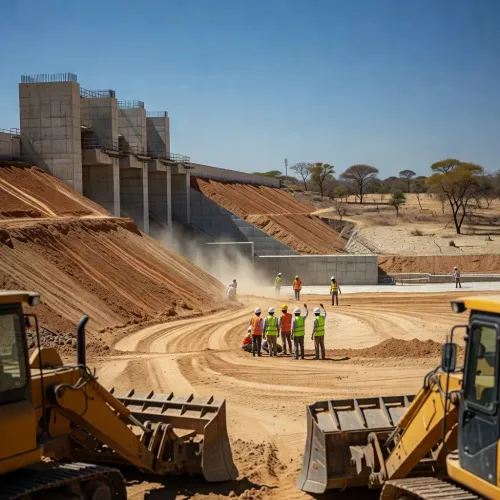
Rs 17.08 crore sanctioned for check dam construction at three sites — near Bhairampally, Vadyal, and Vaspula villages — to aid groundwater recharge and kharif irrigation.
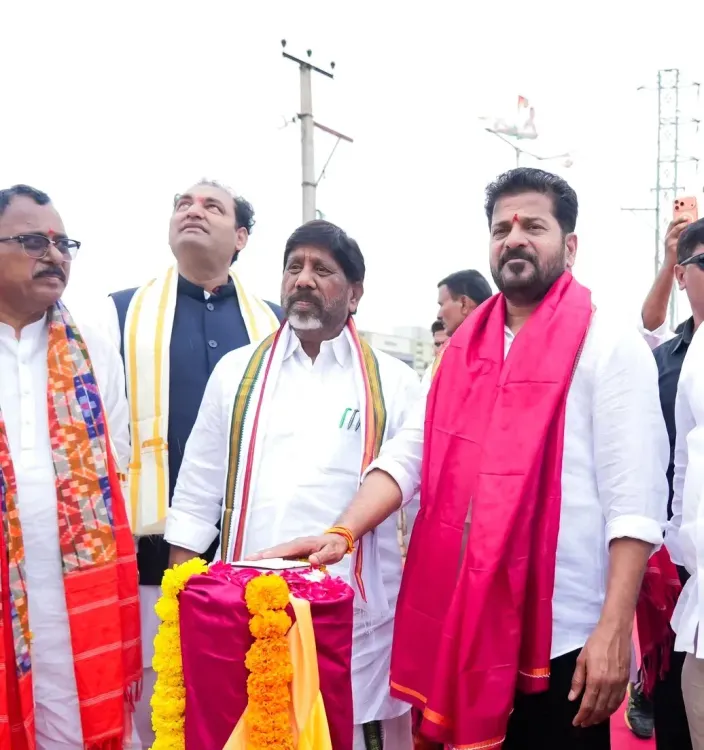
Deputy CM Mallu Bhatti Vikramarka and other ministers and officials were present at the foundation-laying ceremony.
The works continue Telangana's long-standing policy of prioritising water conservation infrastructure in the drought-prone southern districts.
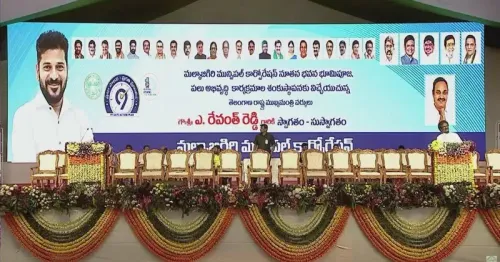
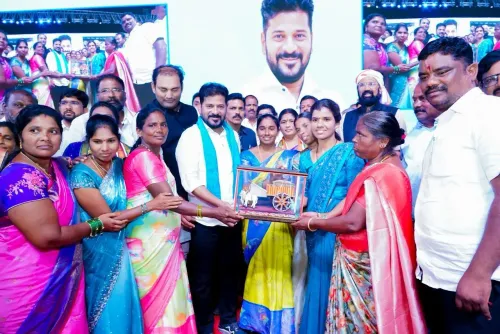
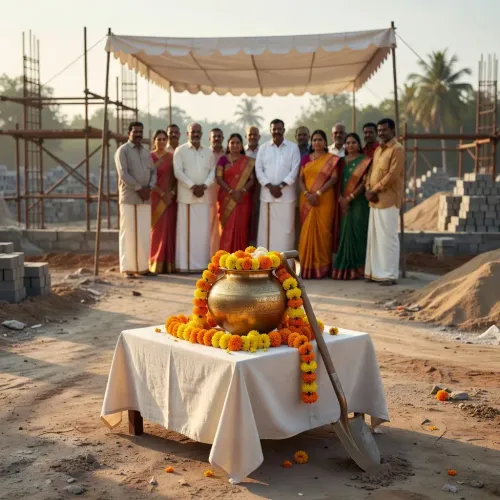
Chief Minister A. Revanth Reddy on Saturday, 4 July 2026, laid the foundation stones for multiple development works worth Rs 47.08 crore in Midjil mandal of Mahabubnagar district, Telangana. Deputy Chief Minister Mallu Bhatti Vikramarka, other ministers, district public representatives, and senior officials were present at the event.
Context
The Chief Minister's Office announced the initiative, listing three broad project categories. The largest single allocation — Rs 20 crore — covers infrastructure development across 40 gram panchayats that formerly comprised the old Midjil mandal. Following a mandal reorganisation, these villages are now split between Midjil mandal (24 villages) and the newly formed Urukonda mandal (16 villages).
A further Rs 10 crore has been earmarked for the development of the Sri Anjaneya Swamy temple in Urukondapeta, reflecting the government's stated emphasis on cultural and religious heritage sites alongside core civic works. The remaining Rs 17.08 crore will fund the construction of check dams at three locations in Midjil mandal.
Policy Backdrop
Mahabubnagar is one of Telangana's historically drought-prone southern districts, where water conservation has long been a policy priority. Successive state governments have invested in minor irrigation structures — a tradition anchored by the Mission Kakatiya programme launched in 2014, which aimed to restore thousands of tanks and water bodies across the state.
The current Congress-led government, which took office in December 2023 under Chief Minister Revanth Reddy, continues this approach while bundling temple development with irrigation and panchayat works into single foundation-laying packages — a format familiar from earlier administrations in the state.
Check Dam Details and Stakeholder Impact
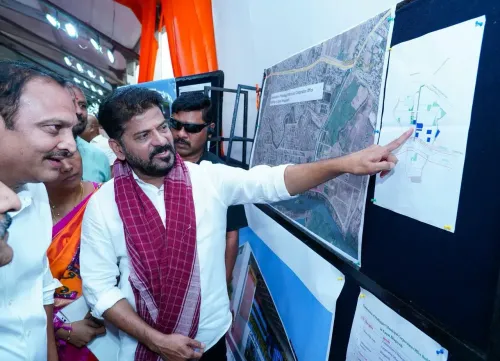
The three check dam sites identified under the Rs 17.08 crore package are: the Dhundhubi stream near Bhairampally village; a smaller stream (also part of the Dhundhubi drainage) near Vadyal village; and restoration of the Vaspula Katwa structure near Vaspula village. These structures are intended to arrest surface runoff, recharge groundwater, and support irrigation for kharif (monsoon-season) sowing in the surrounding farmland.
The primary beneficiaries are rural farmers and gram panchayat residents across the reorganised mandals. Village-level infrastructure improvements under the panchayat development package are expected to address roads, drainage, and civic amenities in all 40 villages of the former Midjil mandal.
What's Next
Progress on the check dam construction will be closely watched for its effect on local groundwater levels and the upcoming kharif season. The 40-panchayat works package will require follow-up releases to confirm tendering and execution timelines. If the check dams perform as intended, they could serve as a model for similar water-conservation investments in other drought-affected mandals of southern Telangana — a region where groundwater depletion has persistently constrained agricultural output.
Point of View
Not merely symbolic — but the combination of irrigation works with a temple development grant also reflects a Congress administration navigating a state electorate that historically rewarded the BRS on welfare and identity politics. The presence of Deputy CM Mallu Bhatti Vikramarka alongside the Chief Minister underscores the government's effort to project cabinet unity and broad-based district engagement. How quickly these projects move from foundation stone to functional infrastructure will determine whether the announcement translates into durable political capital.
NationPress
4 Jul 2026
Frequently Asked Questions
What development works did CM Revanth Reddy inaugurate in Midjil mandal?
CM Revanth Reddy laid foundation stones for Rs 47.08 crore worth of works including check dam construction (Rs 17.08 crore), development of 40 gram panchayats (Rs 20 crore), and the Sri Anjaneya Swamy temple in Urukondapeta (Rs 10 crore) in Midjil mandal, Mahabubnagar district.
Where exactly are the check dams being built in Midjil mandal?
Three check dam sites have been identified: on the Dhundhubi stream near Bhairampally village, on a smaller stream near Vadyal village (also part of the Dhundhubi drainage), and restoration of the Vaspula Katwa structure near Vaspula village.
Why was Mahabubnagar chosen for this infrastructure push?
Mahabubnagar is one of Telangana's most drought-prone southern districts. Successive governments have prioritised water conservation and rural infrastructure there; the current Congress government is continuing this pattern with the Midjil mandal package.
Who attended the foundation-laying event in Midjil?
Deputy Chief Minister Mallu Bhatti Vikramarka, other cabinet ministers, district public representatives, and senior officials joined Chief Minister A. Revanth Reddy at the ceremony.
How many villages benefit from the Rs 20 crore panchayat development package?
The Rs 20 crore package covers 40 villages that were part of the old Midjil mandal. After a mandal reorganisation, 24 of these villages now fall under Midjil mandal and 16 under the newly formed Urukonda mandal.