CM Revanth Reddy to Review Telangana Employee Health Scheme
Synopsis
Chief Minister A. Revanth Reddy is set to review the rollout of Telangana's new Employees Health Scheme, which will be administered by a dedicated trust with union and pensioner representatives, offering digital health cards and cashless treatment to state employees and their families.
Key Takeaways
CM Revanth Reddy will hold a review meeting with officials on the Employees Health Scheme for Telangana government employees and pensioners.
The scheme will be administered through an Employees Health Care Trust , with six employee union representatives and two pensioner representatives as members.
A serving state government official will be appointed as CEO of the Trust.
The Finance Department has issued circulars to all departments to collect employee, pensioner, and family data, with an upload deadline of 31 May 2026 .
Beneficiaries will receive digital health cards enabling cashless treatment at empanelled hospitals once the scheme is operationalised.
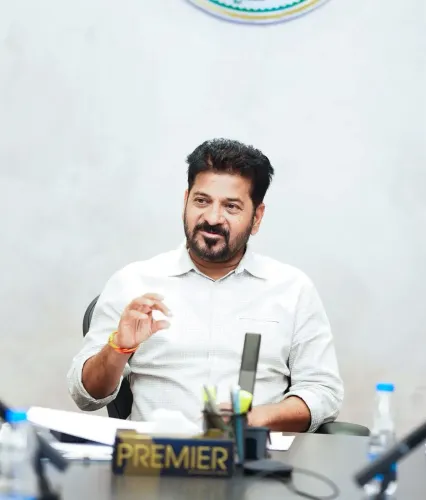
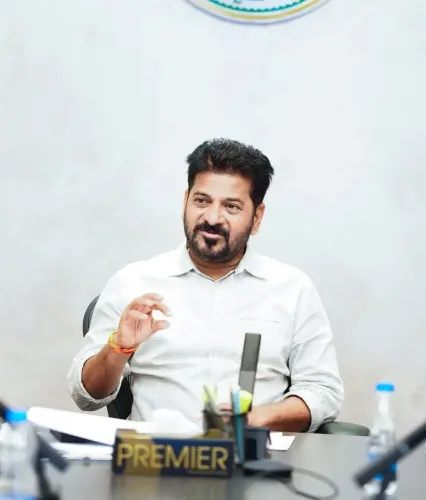
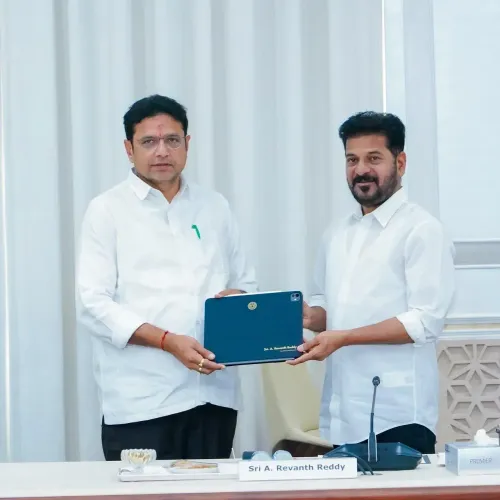
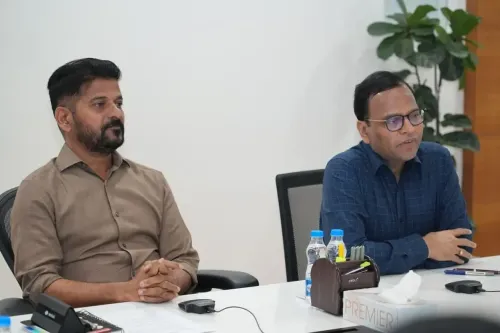
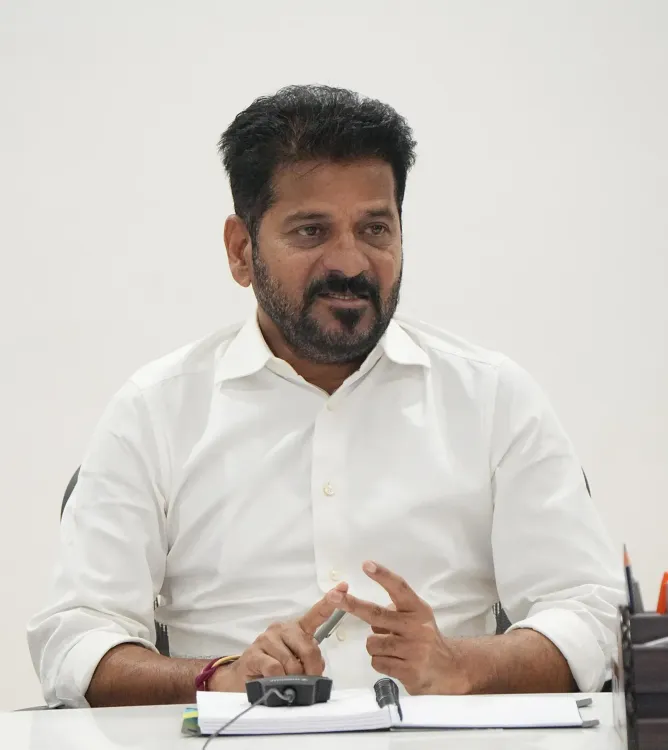
The Chief Minister's Office of Telangana announced on Sunday, 31 May 2026 that Chief Minister A. Revanth Reddy will conduct a review meeting with officials on the implementation of the Employees Health Scheme, a new initiative designed to provide healthcare coverage to state government employees, pensioners, and their families.
Context
The post, shared in Telugu, states: 'తెలంగాణ ఉద్యోగులు, పెన్షనర్ల ఆరోగ్య భద్రతకు సంబంధించి ప్రభుత్వం అమల్లోకి తీసుకువస్తున్న ఎంప్లాయీస్ హెల్త్ స్కీమ్' — ('the Employees Health Scheme being brought into effect by the government for the health security of Telangana employees and pensioners'). The scheme is to be administered through an Employees Health Care Trust, a dedicated body with representatives drawn from employee unions and pensioner groups.
According to the announcement, six representatives from employee unions and two representatives from pensioner associations will serve as members of the Trust. A serving state government official will be appointed as the Chief Executive Officer of the Trust.
Policy Backdrop
Indian state governments have long mirrored the Central Government Health Scheme model by establishing dedicated health trusts for their workforces. These arrangements typically combine stakeholder representation on governing boards, digital health cards, and cashless treatment at empanelled hospitals — a model now being adopted by Telangana under the Congress administration that came to power in December 2023.
The Finance Department of Telangana has already issued a circular to all government departments directing them to collect details of employees, pensioners, and their family members. The deadline set for uploading this data is 31 May 2026, signalling that the administrative groundwork is being completed in parallel with the policy review.
Stakeholders and Impact
The scheme directly benefits Telangana's state government employees, retired pensioners, and their dependants — a substantial constituency that has historically relied on ad hoc reimbursement mechanisms or out-of-pocket expenditure for medical treatment. The inclusion of pensioner representatives on the Trust's governing body is notable, giving retirees a formal voice in scheme governance.
Once the data collection phase is complete, the government intends to issue digital health cards and enable cashless treatment services at empanelled facilities. This end-to-end digital approach reduces paperwork and reimbursement delays that have been common pain points under older arrangements.
What's Next
CM Revanth Reddy's review meeting with officials is the immediate next step, after which the government is expected to finalise operational details of the Trust, including the appointment of its CEO and the empanelment of hospitals. The successful upload of departmental data by the stipulated deadline will be critical to enabling the rollout of digital health cards. How quickly the scheme moves from data collection to active cashless coverage will determine its near-term impact on the state's employee and pensioner community.
Point of View
Moving from reimbursement-based models toward a cashless, card-driven system. By embedding employee union and pensioner representatives directly on the Trust's governing board, the Revanth Reddy administration signals a consultative approach intended to pre-empt the union friction that has derailed similar schemes in other states. The parallel push on data digitisation — with a hard departmental deadline — suggests the government is prioritising administrative readiness before making public-facing commitments on coverage timelines. This initiative will be an early test of the Congress government's capacity to deliver on employee welfare promises made during the 2023 election campaign.
NationPress
19 Sept 2026
Frequently Asked Questions
What is the Telangana Employees Health Scheme?
The Telangana Employees Health Scheme is a new government initiative to provide healthcare coverage, including digital health cards and cashless treatment, to state government employees, pensioners, and their family members through a dedicated Employees Health Care Trust.
Who will manage the Employees Health Care Trust in Telangana?
The Trust will be governed by six representatives from employee unions and two from pensioner associations, with a serving state government official appointed as its CEO.
What is the deadline for data upload for the Telangana health scheme?
The Finance Department has directed all government departments to upload employee and pensioner data by 31 May 2026 .
Will Telangana government employees get cashless treatment under the new scheme?
Yes, once the scheme is operationalised, beneficiaries will receive digital health cards enabling cashless treatment at hospitals empanelled under the Employees Health Care Trust.
When did CM Revanth Reddy announce the review of the Employees Health Scheme?
The Chief Minister's Office of Telangana announced the review meeting on 31 May 2026 , with CM Revanth Reddy scheduled to meet officials to assess implementation progress.